Info
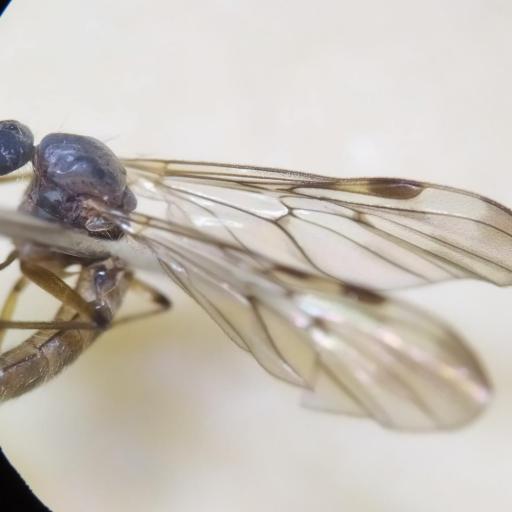
Known as the Window Gnat or Wood Gnat, Sylvicola cinctus is a tiny, delicate fly that often surprises homeowners by appearing on glass panes during the cooler months. While they look suspiciously like mosquitoes at first glance, they are actually harmless neighborhood recyclers that play a vital role in breaking down organic matter. In the world of insects, they are the quiet janitors of the compost pile, more interested in rotting leaves than in bothering humans.
🔍 How to Identify
- 🪟 The Window Habit: True to their name, adults are frequently found resting on window frames inside homes or greenhouses, drawn toward the light.
- 🏁 Spotted Wings: Unlike common houseflies, their wings are translucent with distinct, dark brownish-grey spots or "clouds" near the tips and edges.
- 🦵 Slender Build: They possess long, spindly legs and a yellowish-to-brownish body, making them appear fragile and somewhat "leggy" compared to stouter fly species.
🌲 Habitat & Ecology
- 🍂 Nature’s Recycler: The larvae (maggots) are found in damp, decaying organic material such as compost heaps, rotting wood, or fermenting sap. They help turn waste into rich soil.
- ❄️ Winter Survivor: These gnats are incredibly hardy and are often seen in early spring or late autumn, providing a crucial food source for early-emerging birds and predatory insects when other prey is scarce.
⚠️ Safety & Toxicity
- 🛡️ Harmless Status: They are completely harmless to humans and pets. They do not bite, sting, or transmit diseases.
- 🌱 Plant Safety: Unlike fungus gnats, Sylvicola cinctus larvae typically prefer highly decomposed material and rarely cause any damage to the roots of healthy houseplants. They are a nuisance in the house only because of their presence, not their behavior.
✨ Fun Fact
Even though they look like mosquitoes, they belong to the family Anisopodidae, which is one of the most ancient lineages of flies, with ancestors dating back millions of years!
More Details








