Info
Often called "wasps without a waist," the Sawfly is a fascinating member of the same family as bees and ants. Despite their sometimes intimidating appearance, these ancient insects are the gentle vegetarians of the Hymenoptera world. They earn their name from the female’s remarkable, saw-like tool used to carve tiny slits into plants to deposit her eggs.
🔍 How to Identify
- 🐝 The "Broad Waist": Unlike typical wasps that have a thin, pinched "waist," Sawflies have a thick body where the thorax and abdomen meet seamlessly.
- 🪚 The Saw-Like Ovipositor: Visible upon close inspection of a female, this specialized organ looks like a tiny serrated blade at the end of the abdomen.
- 🎨 Clever Mimicry: Many species are dressed in bright yellow and black "caution" stripes to trick predators into thinking they have a dangerous sting.
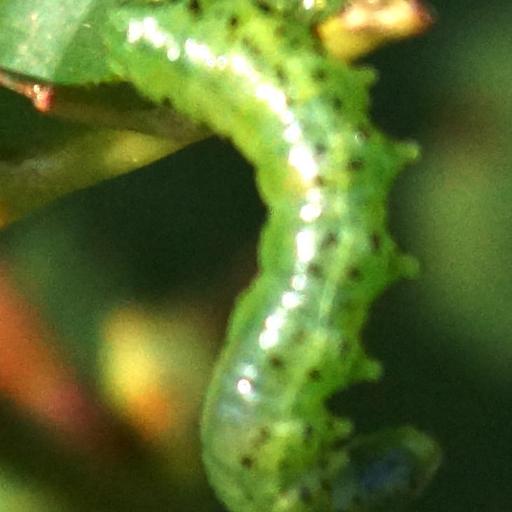
- 🐛 Lookalike Larvae: Their young look almost identical to butterfly caterpillars but can be distinguished by having six or more pairs of fleshy "prolegs" along their body.
🌲 Habitat & Ecology
- 🌿 Dietary Specialists: Most Sawflies are herbivorous. Depending on the species, you might find them munching on rose leaves, pine needles, or even boring into wood.
- 🍂 Garden Roles: While some species are considered "pests" because they can defoliate a prize shrub, they are a vital protein source for backyard birds and predatory beetles.
- 🌲 Diverse Environments: You can find them anywhere there is abundant foliage, from deep coniferous forests to suburban flower beds and meadows.
⚠️ Safety & Toxicity
- 🚫 No Stingers: Despite their resemblance to yellowjackets, Sawflies do not possess a stinger and cannot hurt humans or pets. They are completely harmless to handle.
- 🦷 Nibbling Defense: If handled roughly, a few larger species might give a tiny, harmless pinch with their mandibles, but they have no venom.
- 🐕 Pet Safety: They are non-toxic to dogs and cats. However, if a pet eats a large number of larvae, the plant chemicals stored in the larvae's bodies might cause a mild upset stomach.
✨ Fun Fact
Sawfly larvae have a unique "group defense" move! When a predator like a bird approaches, the entire colony will simultaneously raise their tails and head-flick in a synchronized dance to startle the attacker.
More Details








