Info
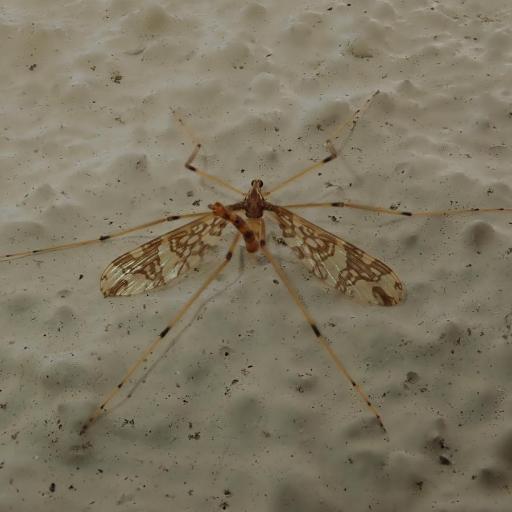
Often called "Primitive Crane Flies," the Tanyderidae are true living fossils of the insect world. Though they look like giant, fragile mosquitoes with beautifully patterned wings, they are completely harmless and far older than most other fly families. Finding one is a treat for nature lovers, as they are indicators of clean, pristine water sources.
🔍 How to Identify
- 🎨 Wing Patterns: Most species possess strikingly "banded" or spotted wings. Unlike common crane flies, their wings are held slightly apart when resting, showcasing intricate, lace-like vein structures.
- 🦵 Leggy Stature: They have exceptionally long, thin legs that are quite fragile. These legs help them navigate the uneven surfaces of river rocks and dense riparian foliage.
- 📏 Slender Body: They feature a very elongated, thin abdomen and a small head, often giving them a delicate, ethereal appearance as they flutter through the air.
🌲 Habitat & Ecology
- 💧 Water Lovers: You are most likely to spot these insects near the banks of fast-flowing streams or cold, clear rivers. Their presence often suggests a healthy, unpolluted ecosystem.
- 🪵 Larval Life: Before they take flight, the larvae live a very different life. They are usually found burrowed in saturated wood, sandy banks, or submerged rotting logs where they feed on organic debris.
- 🌙 Twilight Activity: Many species are crepuscular, meaning they are most active during the dim light of dawn and dusk, often dancing in small swarms near the water's edge.
⚠️ Safety & Toxicity
- 🛡️ Non-Threatening: Despite their resemblance to giant mosquitoes, Primitive Crane Flies do not bite, sting, or carry diseases. They lack the mouthparts necessary to pierce skin.
- 🌱 Garden Friendly: They are not considered pests. They do not damage crops or ornamental plants, and their larvae help break down organic matter in aquatic environments.
✨ Fun Fact
The Tanyderidae lineage is incredibly ancient, with fossil records dating back over 200 million years to the Triassic period. They have survived relatively unchanged since the time of the earliest dinosaurs!
More Details








