Info
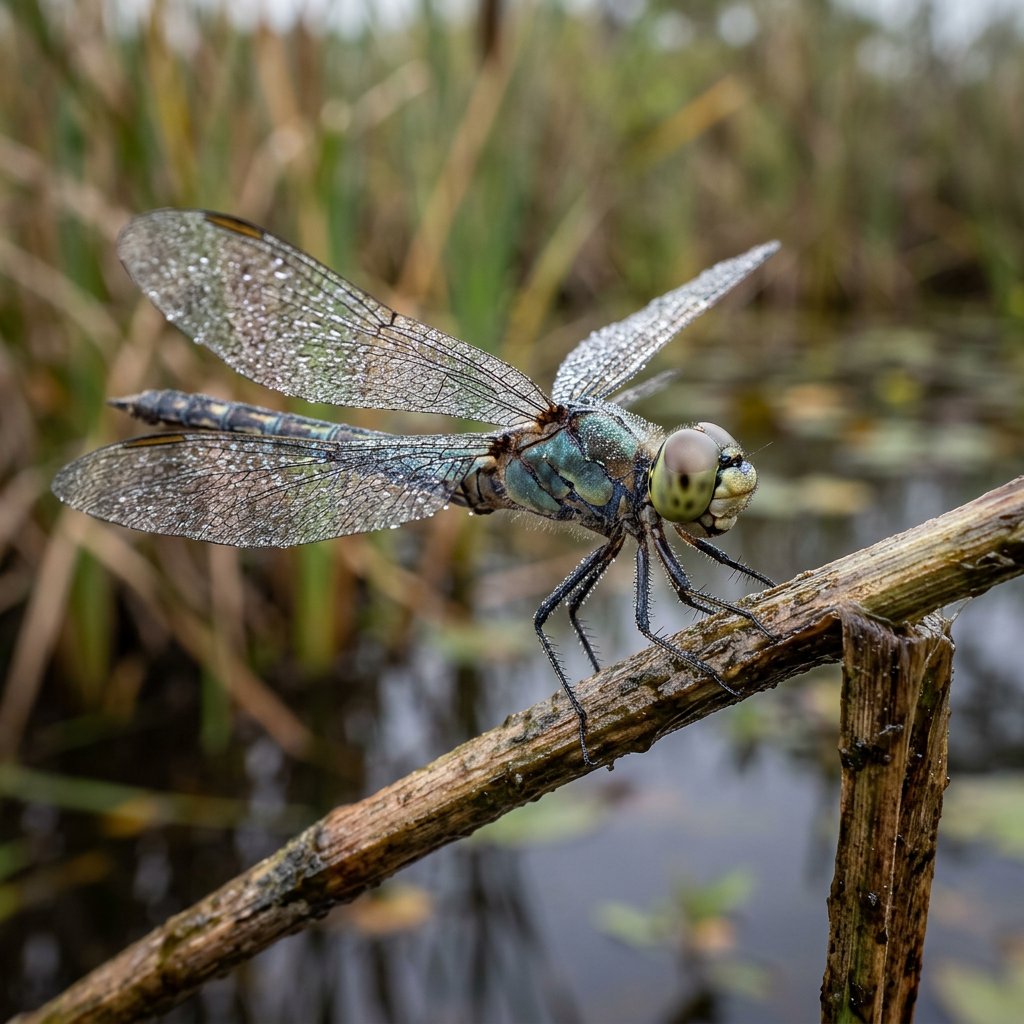
Known as the "Gliders" or "Saddlebags," the dragonflies of the genus Tauriphila are the high-altitude acrobats of the insect world. Often seen soaring effortlessly over ponds or sunny fields, they earn their name from the distinct, dark patches on their wings that look like miniature saddles. While their large eyes and rapid flight might seem intimidating, they are actually a gardener’s best friend.
🔍 How to Identify
- 🏇 Wing Patches: The most striking feature is the dark, triangular or "saddle-shaped" marking at the base of the hind wings, which is visible even when they are in flight.
- ✈️ Broad Wings: Their hind wings are significantly wider than their front wings, a specialized design that allows them to glide on wind currents for long periods without flapping.
- 👀 Large Compound Eyes: Like most dragonflies in the Libellulidae family, their massive eyes meet at the top of the head, giving them nearly 360-degree vision to spot prey.
🌲 Habitat & Ecology
- 💧 Still Waters: You will typically find them patrolling the edges of ponds, lakes, and slow-moving marshes where they lay their eggs and spend their larval stage.
- 🦟 The Mosquito Hunter: They are voracious predators that catch their food mid-air. Their diet consists almost entirely of small flying insects, including mosquitoes, midges, and flies.
- 🌬️ Endless Flight: Unlike many other dragonflies that perch on twigs to wait for prey, Tauriphila species are known for staying airborne for hours, using thermal updrafts to save energy.
⚠️ Safety & Toxicity
- ✅ Perfectly Harmless: These insects are completely non-toxic and possess no stinger. They are incapable of "stinging" humans or pets.
- 🤏 The "Bite" Myth: While they have mandibles for eating other bugs, they only bite humans if caught and held firmly in the hand. Even then, the bite is a minor pinch that rarely breaks the skin and carries no venom.
✨ Fun Fact
The name Tauriphila literally translates to "Bull-lover." This name was given because these dragonflies are often observed hovering around cattle—not to bother the cows, but to feast on the swarms of flies that the livestock attract!
More Details








