Info
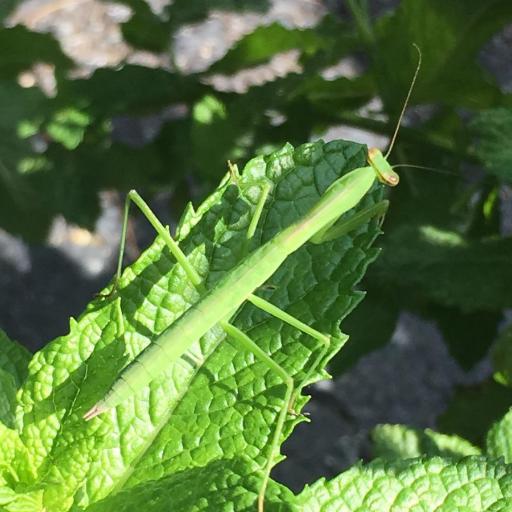
Often called the "Zen Master" of the garden, the Chinese Mantis is the largest mantis species found in North America, though it originally hails from Asia. Known for its stoic posture and legendary appetite, it is a favorite among gardeners as a natural form of pest control. In many cultures, these graceful hunters are seen as symbols of patience, mindfulness, and even good luck.
🔍 How to Identify
- 📏 Size & Shape: An exceptionally long, slender body reaching up to 5 inches in length. They typically appear in shades of tan, woody brown, or vibrant pea-green.
- 👁️ The Head: A classic triangular, highly mobile head with large compound eyes. Look for a distinct vertical stripe on the face between the antennae, a hallmark of this species.
- ⚔️ Raptorial Forelegs: Powerful, spine-lined front legs held in a "prayer" position, designed to snatch and pin prey with lightning speed.
🌲 Habitat & Ecology
- 🦗 The Apex Predator: These are generalist hunters. While they eat harmful grasshoppers and beetles, they are opportunistic; they have been known to occasionally snatch a beneficial honeybee or, in rare cases, a small hummingbird.
- 🌾 Preferred Hangouts: They thrive in tall grasses, shrubbery, and flowering perennials. Their coloration provides near-perfect camouflage, allowing them to remain invisible to both prey and predators like birds.
- 🥚 Winter Survival: They spend the winter as eggs protected inside a "foamy" tan case called an ootheca. These cases harden into a tough, papery structure usually attached to sturdy twigs or fence posts.
⚠️ Safety & Toxicity
- 🛡️ Harmless Neighbor: The Chinese Mantis is not venomous and does not sting. They are generally docile toward humans and are considered a "friend" to the gardener.
- 🤏 The "Nip": If handled roughly, a large adult can deliver a small pinch with its mandibles or a prick with its spiny legs. It is not painful for long and does not break the skin of most adults.
- 🐾 Pet Safety: They pose no threat to cats or dogs. In fact, a curious cat is more of a threat to the mantis than the other way around!
✨ Fun Fact
- ✨ 360-Degree Vision: The Chinese Mantis is one of the few insects capable of turning its head 180 degrees to look over its "shoulder." Their eyes also feature "pseudopupils," which make it look like they are making direct eye contact with you from any angle!
More Details








