Info
Often referred to as the Straw Underwing, this moth is a master of the "bait and switch" strategy. While its upper wings look like a piece of weathered bark or a dried leaf, it hides a soft, buttery secret beneath. A common nocturnal visitor to gardens across Europe and parts of Asia, it is a quintessential example of how insects use "flash coloration" to startle would-be predators.
🔍 How to Identify
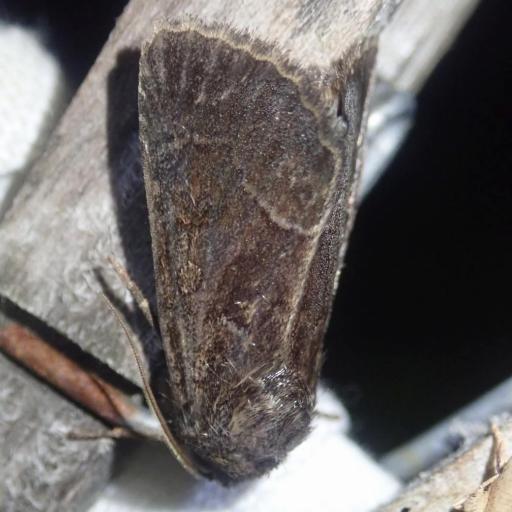
- 🦋 Cryptic Forewings: The upper wings are a complex tapestry of chocolate browns, marbles greys, and deep blacks, featuring a distinct "ear-shaped" mark that helps it vanish against tree trunks.
- 🌾 Straw-Colored Hindwings: If disturbed, it reveals pale, straw-yellow underwings framed by a wide, dark smoky border—the feature that gives it its common name.
- 📐 Tent-Like Resting Posture: When at rest, it folds its wings into a steep, triangular "tent" shape, perfectly concealing its bright colors and creating a silhouette that mimics organic debris.
🌲 Habitat & Ecology
- 🌙 Nocturnal Life: Active primarily during the mid-to-late summer (July to September), this moth is a frequent visitor to porch lights and garden "sugar" traps set by nature enthusiasts.
- 🌾 Grassland Specialist: Unlike many moths that rely on specific flowers, the larvae (caterpillars) of the Straw Underwing are grass-feeders. They prefer wild, undisturbed grasses like Mat-grass and Sheep's-fescue, making them common in meadows and suburban lawns.
⚠️ Safety & Toxicity
- ✅ Completely Harmless: The Straw Underwing is a "friend" to the gardener. It does not bite, sting, or possess any irritating hairs that could cause rashes.
- 🐾 Safe for Pets: This moth is non-toxic. While a curious cat or dog might try to catch one due to its erratic flight patterns, it poses no chemical or physical threat to your furry friends.
✨ Fun Fact
The specific name matura comes from the Latin for "ripe." This is a poetic reference to the hindwings, which are the exact color of a field of ripe, golden grain ready for the summer harvest.
More Details








