Info
The Brown Hairstreak (Thecla betulae) is a rare and elusive beauty of the late summer, often referred to as the "Glow-worm of the hedgerows" due to the way the female's orange wings catch the sunlight. As a gentle pollinator, it is a definite friend to the environment, though it is famously shy. While it spends most of its life high in the forest canopy, it is a prized sight for nature lovers when it descends to the scrub to lay its eggs.
🔍 How to Identify
- 🦋 The "Hairstreak" Line: The underside of the wings is a brilliant, burnt orange decorated with a thin, elegant white line (the "hairstreak") that zig-zags across the surface.
- 👗 Gendered Finery: While both have dark brown upper wings, the female is distinguished by large, bold orange patches on her forewings that flash brightly during flight.
- 📐 Mimicry Tails: Look closely at the base of the hindwings for tiny, delicate "tails" and orange spots; these are designed to mimic a head and antennae to trick birds into attacking the wrong end.
🌲 Habitat & Ecology
- 🌳 Canopy Dwellers: These butterflies are "honeydew" specialists. Instead of visiting flowers, they spend most of their time high in Ash trees, feeding on the sugary secretions left behind by aphids.
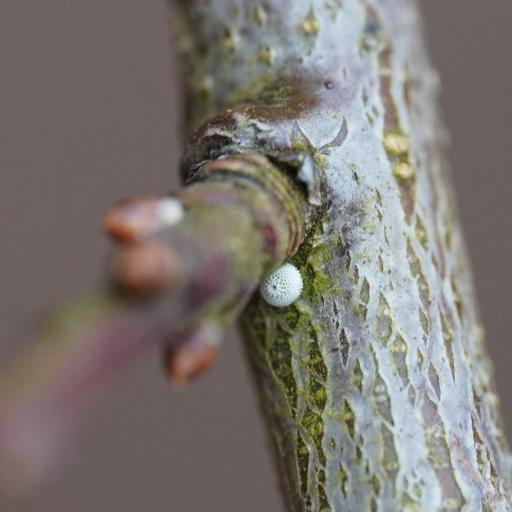
- 🌿 The Blackthorn Bond: They are highly specific about their nursery. Females descend to hedgerows to lay individual, white, "golf-ball" shaped eggs specifically on the young shoots of Blackthorn (Prunus spinosa).
- 🍃 Hedgerow Guardians: They prefer thick, un-trimmed hedges. Over-manicured gardens or farm hedges often lose these butterflies because their eggs are accidentally trimmed away in the winter.
⚠️ Safety & Toxicity
- ✅ Gentle Guest: The Brown Hairstreak is completely harmless to humans and pets. It does not bite, sting, or carry any toxins.
- 🛡️ Conservation Status: Because they are rare and their habitat is shrinking, they are a protected species in many regions. The "danger" is actually to the butterfly—they are extremely fragile and should never be handled.
✨ Fun Fact
- 🥚 Winter Treasure Hunt: Because the adult butterflies are so hard to spot in the high treetops, naturalists actually track the population by going on "egg hunts" in the winter, searching for the tiny, bright white eggs that stand out against the dark, bare Blackthorn twigs!
More Details








