Info
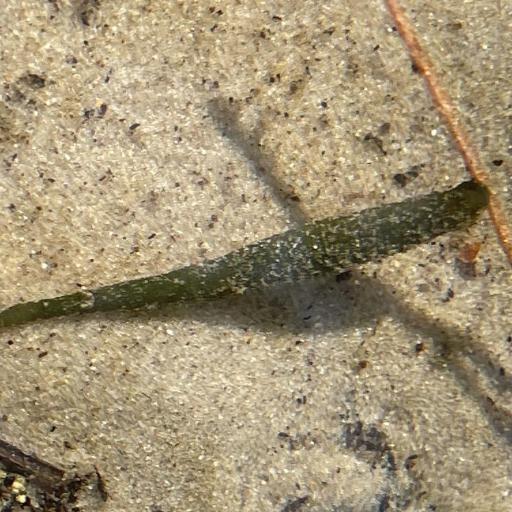
Meet the Great Snail Leech, also widely known as the Bird Leech. While often mistaken for a common aquatic worm or even a slug, this creature is a highly specialized master of the freshwater world. Though the word "leech" might cause a shiver, this species plays a fascinating—if slightly parasitic—role in the local ecosystem, specifically tied to the lives of waterfowl.
🔍 How to Identify
- 👁️ The Eight Eyes: One of its most distinctive features is having four pairs of small, dark eyes arranged in two neat parallel rows near the front of the head.
- 🎨 Spotty Back: Its translucent, olive-green or amber body is decorated with six longitudinal rows of yellowish "pustules" or pigment spots that look like tiny pearls under the skin.
- 💧 Shape-Shifter: It is extremely thin and flat when resting, but can stretch its body into a long, ribbon-like shape when swimming or searching for a host.
🌊 Habitat & Ecology
- 🦆 A Feathered Connection: As the name "Bird Leech" suggests, its life revolves around ducks, geese, and swans. It attaches to their beak or enters their nasal cavities to feed on blood, often hitching a ride to new ponds this way.
- 🌿 Freshwater Resident: You will typically find them in stagnant or slow-moving ponds and lakes, hiding on the undersides of stones, submerged logs, or lily pads while they wait for a host to swim by.
- 🏊 Elegant Swimmer: Unlike many other leeches that crawl along the bottom, Theromyzon tessulatum is an agile swimmer, moving through the water with graceful, wave-like undulations of its entire body.
⚠️ Safety & Toxicity
- 🚫 Human Risk: Very Low. This species is highly specialized for avian (bird) hosts. It does not view humans as a food source and lacks the "teeth" required to pierce human skin effectively.
- 🦢 Pet Safety: While harmless to dogs or cats taking a dip, they can be a nuisance to backyard ducks or ornamental pond birds. In large numbers, they can cause respiratory distress for young ducklings.
- 🧪 Non-Toxic: They do not carry toxins or venom; they are simply master hitchhikers of the bird world.
✨ Fun Fact
These leeches are surprisingly dedicated parents! After the eggs hatch, the young leeches attach themselves to the parent’s belly. The parent then carries the entire brood around like a "backpack," eventually providing the young with their first ride to a host bird for their first meal.
More Details








