Info
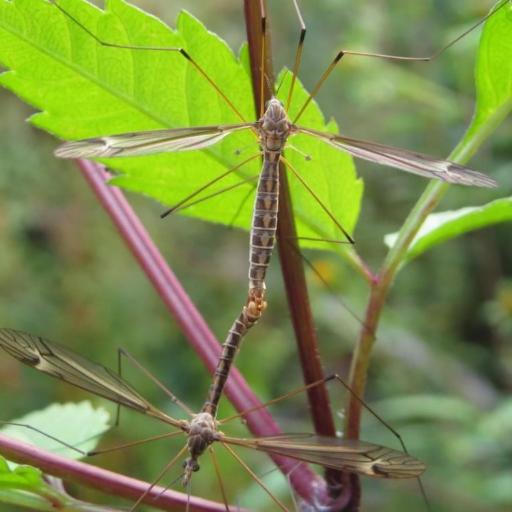
Often mistaken for a "giant mosquito," Tipula lateralis is actually a gentle giant of the insect world, commonly known as a Crane Fly or Daddy Longlegs. While its spindly legs and erratic flight might startle you indoors, this leggy visitor is a harmless neighbor that plays a vital role in our ecosystem’s recycling team.
🔍 How to Identify
- 🦟 The Wings: Look closely at the front edge of its wings; you’ll see a distinct dark, smoky stripe (the "lateral" mark) that gives this species its name.
- 🦵 The "stilt" Legs: It possesses six incredibly long, fragile legs that seem almost too big for its body. These legs can actually detach easily to help the fly escape predators.
- 📏 The Body: It has a slender, grayish-brown body with a snout-like face (rostrum) and two tiny "balancers" called halteres behind the wings that look like little drumsticks.
🌲 Habitat & Ecology
- 💧 Water Lovers: Unlike some of its lawn-dwelling cousins, Tipula lateralis specifically loves damp environments. You’ll most likely find them near pond margins, marshes, or very soggy garden beds.
- 🍂 Nature’s Recyclers: As larvae, they live in mud or wet soil, munching on decaying leaves and organic matter. This helps break down waste and turn it into nutrient-rich soil for your plants.
- 🦋 Short-Lived Adults: Once they reach their winged adult stage, their primary goal is to find a mate. They often don't eat at all, or only sip a bit of nectar for energy.
⚠️ Safety & Toxicity
- ✅ Harmless Friend: Despite their resemblance to mosquitoes, Crane Flies are 100% incapable of biting or stinging. They do not have the mouthparts to pierce skin or the anatomy to produce venom.
- 🐶 Pet Safe: They are non-toxic to cats and dogs. If your pet catches one, the biggest "danger" is a few messy wings and legs left on your carpet.
- 🏠 Home Invasion: They are attracted to lights at night. If one gets inside, it is likely lost and confused, not looking for a fight.
✨ Fun Fact
Crane flies are masters of balance! Those tiny, knob-like structures behind their wings (halteres) act like high-tech gyroscopes, rotating rapidly to help the fly stay stable and navigate through the air, even in a light breeze.
More Details








