Info
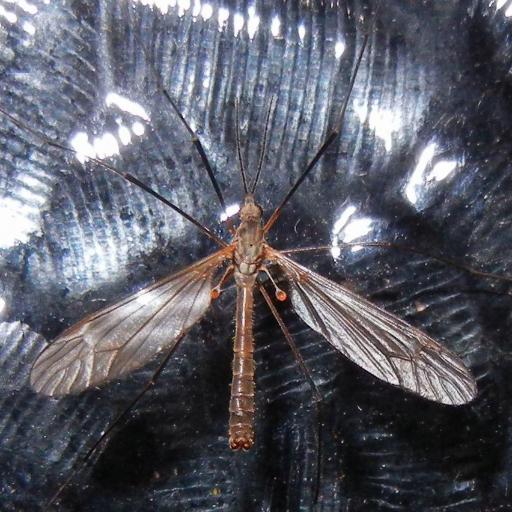
Known as the "Autumn Crane Fly," this slender insect is a gentle sign that the seasons are shifting. Unlike many of its cousins that swarm in the summer heat, Tipula pagana waits for the crisp air of October and November to make its appearance. They are often mistaken for giant mosquitoes, but they are completely harmless "daddy long legs" that prefer a quiet life among the fallen leaves.
🔍 How to Identify
- ✈️ Wing Mystery: This species shows a massive difference between genders. Males have long, functional wings, while females are "brachypterous," meaning their wings are tiny, leaf-like stumps that make them unable to fly.
- 🦵 Spindly Stilts: They possess exceptionally long, fragile legs that can easily detach if a predator grabs them—a clever, if dramatic, escape tactic.
- body Dull Camouflage: Their bodies are a muted greyish-brown, designed to blend in perfectly with the damp soil and decaying vegetation of late autumn.
🌲 Habitat & Ecology
- 🍂 The Moss Specialist: You will most likely find the flightless females crawling over mossy lawns or damp stone walls. They stay close to the ground to lay their eggs in the moist earth.
- ♻️ Nature's Recycler: In their larval stage (often called "leatherjackets"), they live underground, munching on decaying organic matter and roots, helping to break down nutrients back into the soil.
⚠️ Safety & Toxicity
- 🛡️ Gentle Giant: Despite their somewhat "scary" leggy appearance, they are 100% harmless. They do not have a stinger, and their mouthparts are incapable of biting humans or pets.
- 🐾 Pet Interaction: If your cat or dog decides to hunt one, there is no need for concern. They are non-toxic, though their fragile legs might make for a dusty, unsatisfying chase!
✨ Fun Fact
Tipula pagana females have evolved to give up flight entirely to save energy! By staying grounded, they can put all their biological resources into producing as many eggs as possible before the winter frost sets in.
More Details








