Info
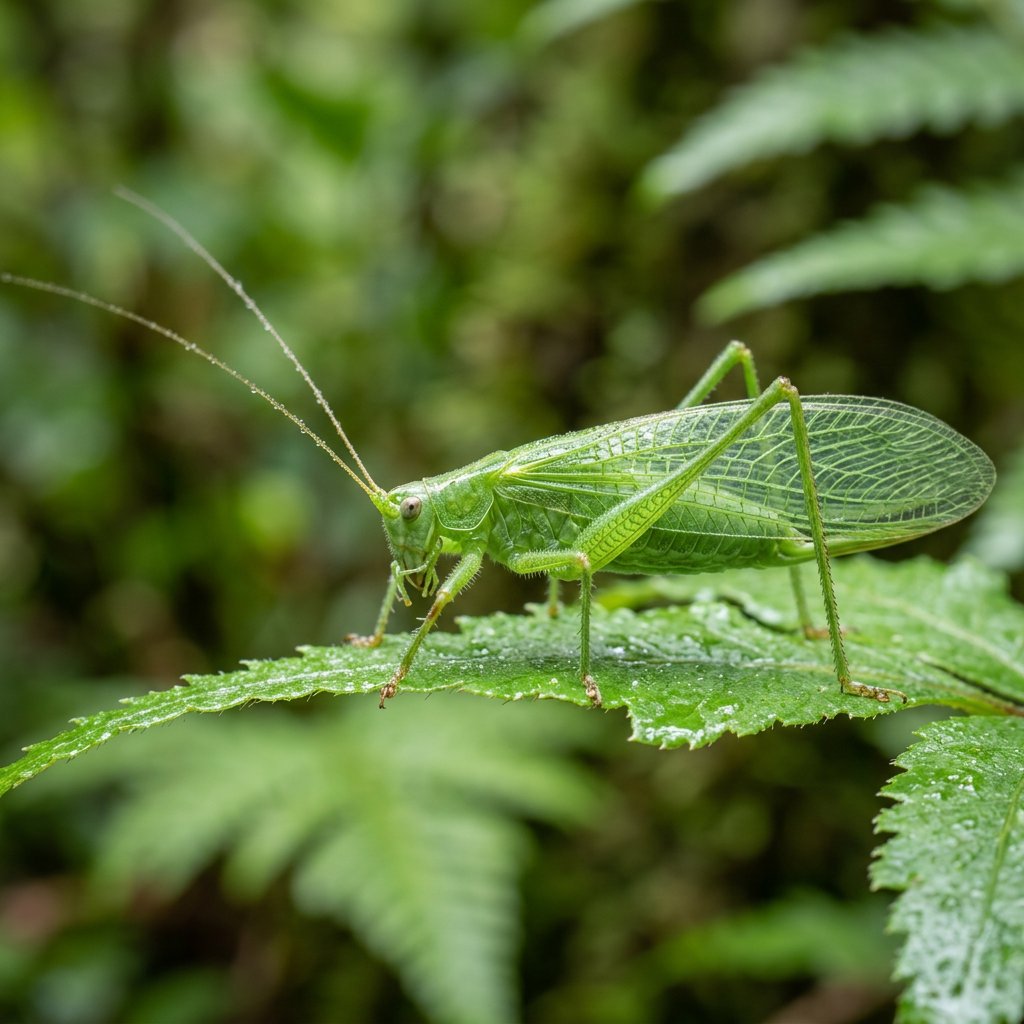
Known as the Gum Leaf Katydid, members of the genus Torbia are some of nature’s most dedicated cosplayers. Hiding in plain sight among the Australian eucalyptus forests, these insects have evolved to look exactly like the leaves they live on. Finding one is a true test of observation, as they remain perfectly still during the day to avoid the sharp eyes of hungry birds.
🔍 How to Identify
- 🍃 Leaf Mimicry: Their forewings are broad, flat, and green, featuring a network of veins that perfectly mimic the texture and color of a fresh Eucalyptus leaf.
- 📏 Sturdy Build: Unlike some "leggy" grasshoppers, Torbia has a thicker, more robust body that helps it blend into the woody stems and branches of gum trees.
- 📡 Fine Antennae: They possess extremely long, hair-like antennae that can exceed the length of their entire body, helping them navigate the canopy in the dark.
🌲 Habitat & Ecology
- 🌳 The Eucalyptus Specialist: These insects spend almost their entire lives high in the canopy of Eucalyptus trees. They are specialists, feeding primarily on the tough, oily leaves that many other animals find difficult to digest.
- 🌙 Nocturnal Life: While they are silent and camouflaged during the day, they become active at night. Males produce a short, high-pitched "clicking" sound to attract mates, a characteristic sound of the Australian bush.
⚠️ Safety & Toxicity
- ✅ Peaceful Resident: The Gum Leaf Katydid is completely non-venomous and poses no threat to humans or pets. They are not aggressive and prefer to stay hidden.
- 🤏 Gentle Handling: While they have mandibles for chewing leaves, they rarely bite unless pinched or handled roughly. They are quite delicate, so it is best to observe their incredible camouflage without picking them up.
✨ Fun Fact
When a Gum Leaf Katydid is startled, it may suddenly flash bright orange or yellow patches on its hind wings. This "startle display" is designed to confuse a predator for just a few seconds—long enough for the insect to drop to the ground and disappear.
More Details








