Info
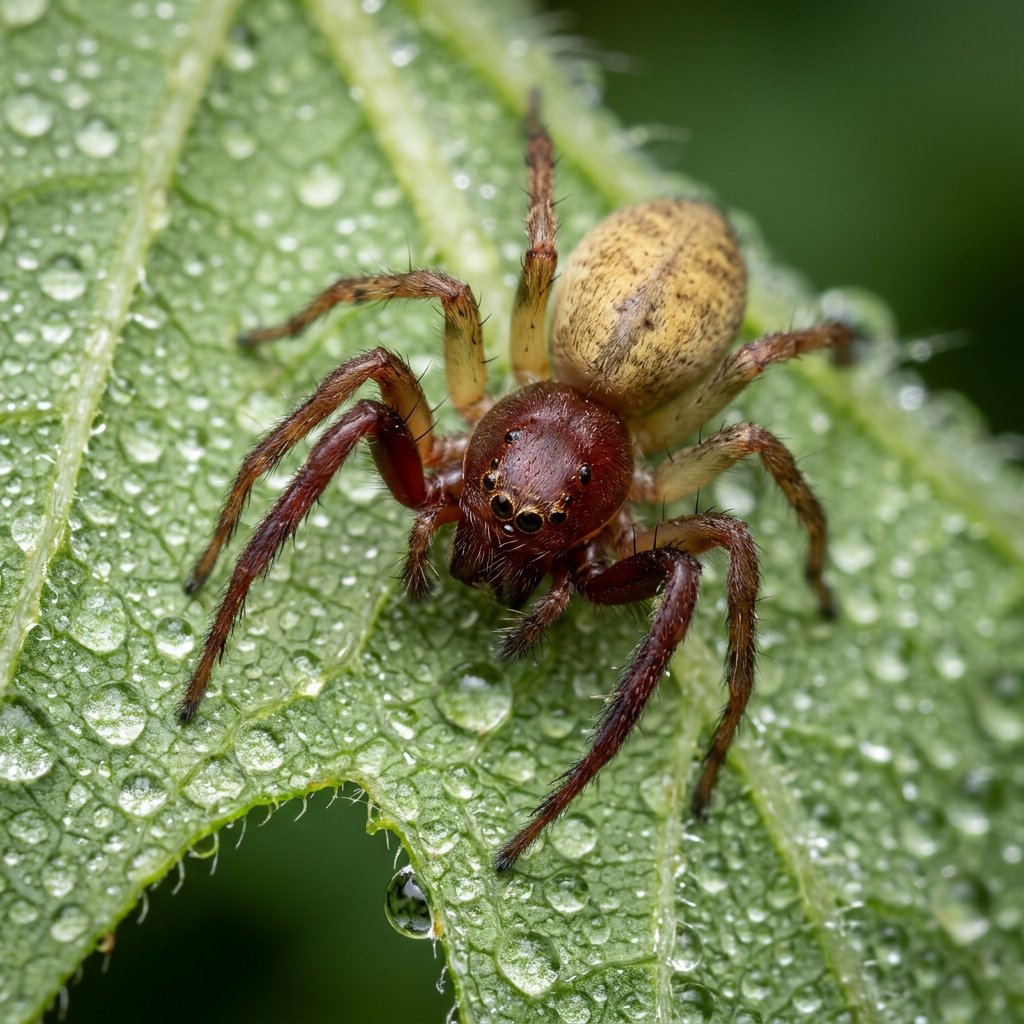
Known as the Broad-faced Sac Spider, Trachelas tranquillus is often the uninvited guest that scuttles across your floor when the weather turns chilly. While its dark, mahogany-colored head and pale body might give you a momentary fright, this spider is actually a diligent nighttime scavenger. It is frequently mistaken for the Woodlouse Hunter or even a tiny Brown Recluse, but it carries a much less dangerous reputation.
🔍 How to Identify
- 🔴 Cephalothorax: The front half of the body is a deep, shiny reddish-brown or dark orange, appearing almost polished or "armored."
- 🍐 Abdomen: The rear half is distinctively lighter—usually a pale cream, light grey, or dull yellow—with a smooth texture and no obvious patterns.
- 🦵 Front Legs: The first two pairs of legs are noticeably darker, thicker, and longer than the back pairs, used primarily for grasping prey.
🌲 Habitat & Ecology
- 🏠 Autumn Visitor: During the late summer and fall, these spiders often wander into homes looking for warmth or a mate. This is why they are frequently spotted on walls, ceilings, or near baseboards during the cooling months.
- 🐜 The Scavenger: Unlike many spiders that only eat live prey, this species is an opportunistic scavenger. It often feeds on dead insects and other spiders, acting as a natural "clean-up crew" for your home and garden.
- 🛌 Silk Retreats: They do not build "catch-webs." Instead, they spend their days hiding in small, silken "sleeping bags" tucked into crevices, leaf litter, or window tracks, emerging only at night to hunt.
⚠️ Safety & Toxicity
- 💥 The Bite: While not considered medically significant like a Black Widow, the Broad-faced Sac Spider can deliver a painful bite often compared to a bee sting.
- 🦠 Infection Risk: Because they occasionally feed on decaying insects, their mouthparts can carry bacteria. If bitten, the site may become red or swollen; it is important to clean the wound thoroughly to prevent a secondary infection.
- 🐾 Pets & Kids: They are not aggressive and typically only bite if accidentally squeezed (such as when hiding in a shoe or bedding). Simply relocate them outside using a cup and paper to avoid a nip.
✨ Fun Fact
Scientists have discovered that these spiders are strangely attracted to the smell of certain chemicals used in the manufacturing of plastics and rubber. This "chemical curiosity" sometimes leads them to build their silk retreats inside car engines or fuel system components!
More Details








