Info
Known as a unique genus of Crane Flies, the Trentepohlia is often mistaken for a "giant mosquito" or a "Daddy Long Legs" with wings. These delicate insects are the ballet dancers of the garden, frequently seen performing a rhythmic, bobbing dance as they hang from spider webs or leaves. Despite their somewhat intimidating size, they are one of the most gentle and misunderstood creatures in the insect world.
🔍 How to Identify
- 🩰 Spindly Legs: They possess six incredibly long, hair-thin legs that are often several times the length of their body.
- 🏁 Banded Wings: Unlike common crane flies, many Trentepohlia species feature distinct dark spots or smoky "cloud" patterns across their translucent wings.
- 🦟 Mosquito Mimicry: They have a slender, elongated abdomen and a small head, but they lack the long, needle-like piercing mouthpart (proboscis) found on mosquitoes.
🌲 Habitat & Ecology
- 💧 Moisture Seekers: You will primarily find them in humid, shaded environments like riverbanks, damp woodlands, or the overwatered corners of your garden.
- 🕸️ Web Hangers: Interestingly, some species are known to hang onto abandoned spider webs using their front legs, swaying in the breeze to blend in with the debris and avoid predators.
- 🍃 The Decomposers: While the adults rarely eat, their larvae live in moist soil or rotting wood, playing a vital role in breaking down organic matter and recycling nutrients back into the earth.
⚠️ Safety & Toxicity
- ✅ Completely Harmless: Trentepohlia are "friend" insects. They do not bite, they do not sting, and they do not carry any diseases.
- 🛡️ Defensive Fragility: Their only real defense is "autotomy"—the ability to easily drop a leg if a predator (or a curious human) grabs them. To keep them safe, it is best to observe them without touching, as they are extremely fragile.
✨ Fun Fact
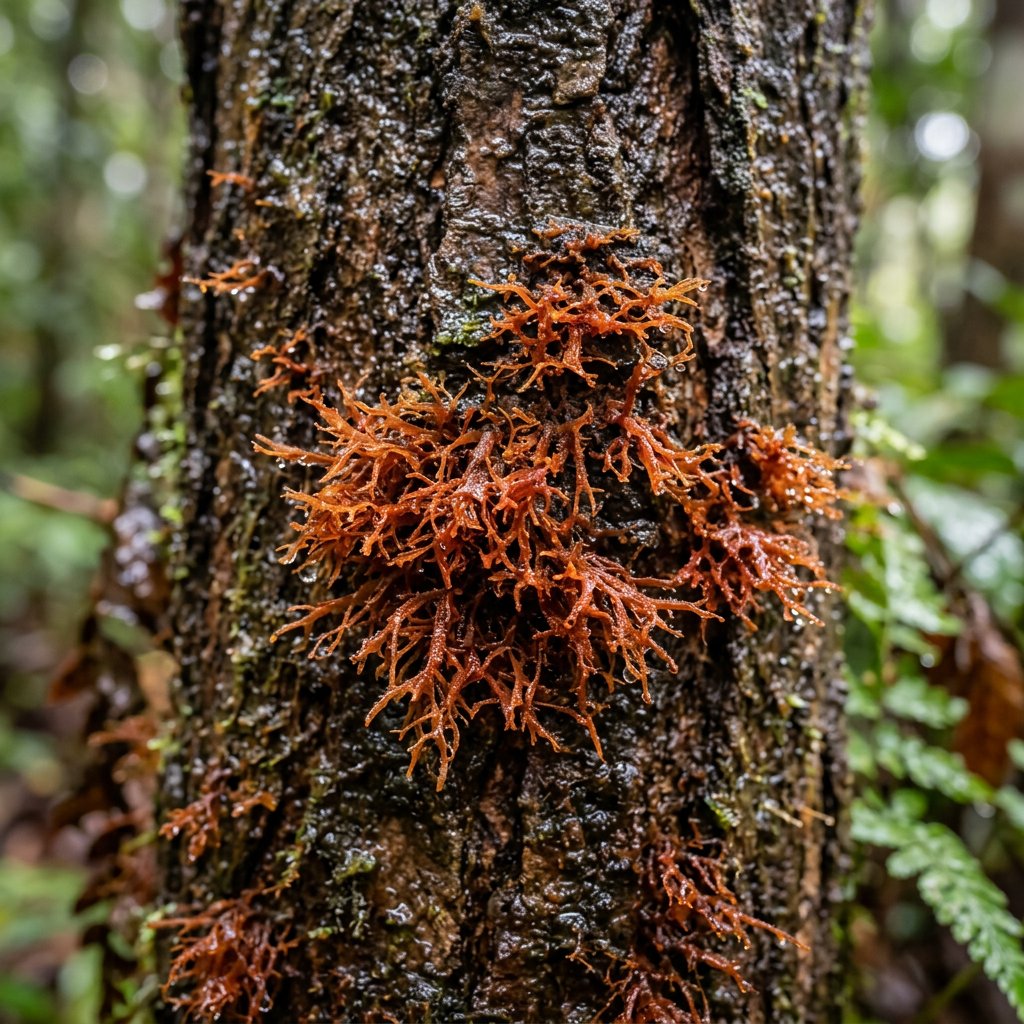
The Trentepohlia genus shares its name with a genus of orange-colored land algae! Early naturalists named them both, and coincidentally, these crane flies are often found resting near the very algae that share their name in damp, tropical environments.
More Details








