Info
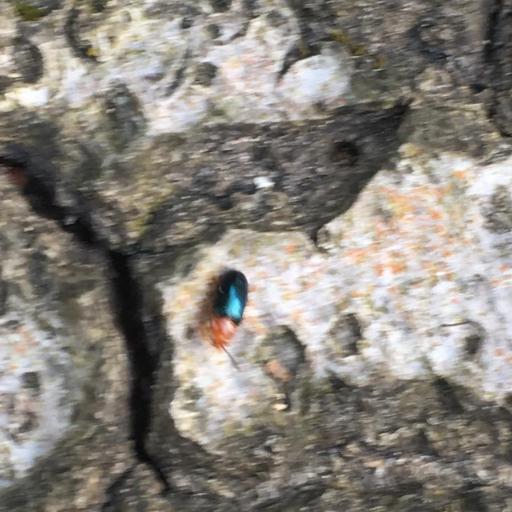
Often called the Blue-winged Pleasing Fungus Beetle, Triplax aenea is a tiny jewel of the forest floor. With its vibrant orange body and metallic blue wings, it looks more like a piece of lost jewelry than a typical backyard bug. These beetles are specialized "mycophagists," meaning they have dedicated their lives to the delicious world of wild mushrooms and decaying wood.
🔍 How to Identify
- 🪲 The Contrast: It features a bright reddish-orange head and thorax that transitions sharply into deep, metallic blue or blue-green wing covers (elytra).
- 📏 Tiny Stature: They are very small, usually ranging from 3 to 5 millimeters in length—roughly the size of a peppercorn.
- ✨ Glossy Finish: The entire body has a smooth, polished, and highly reflective texture that helps it glide through tight fungal gills.
🌲 Habitat & Ecology
- 🍄 Fungal Feast: You will almost always find them on or inside bracket fungi (polypores) or oyster mushrooms growing on dead deciduous trees, particularly beech and oak.
- 👨👩👧👦 Social Scavengers: They are rarely solo travelers; you’ll often find dozens of these beetles huddling together within the gills of a single mushroom to feed and lay their eggs.
- 🪵 The Cleanup Crew: By consuming fungal spores and tissue, they help manage fungal growth and assist in the nutrient recycling process of the forest.
⚠️ Safety & Toxicity
- ✅ Perfectly Safe: These beetles are "friends" of the gardener and hiker. They do not bite, sting, or possess any venom.
- 🐕 Pet Friendly: They are non-toxic to dogs and cats, though their small size and specific diet mean they rarely venture far from their favorite mushrooms and into homes.
✨ Fun Fact
The family name "Pleasing Fungus Beetle" (Erotylidae) isn't just a compliment to their looks; it actually stems from the Greek word erotylos, which means "darling" or "beloved," a name given by early entomologists who were charmed by their bright, friendly colors.
More Details








