Info
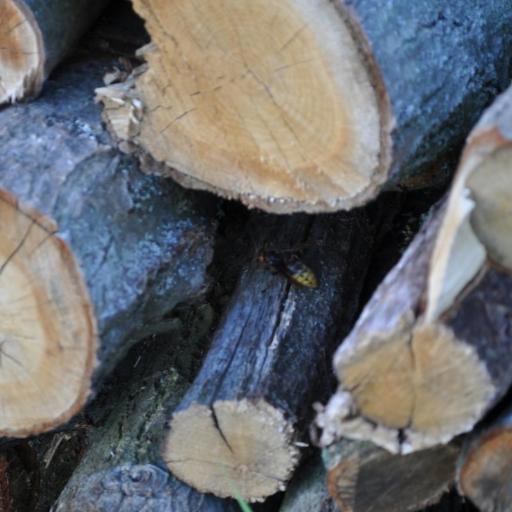
Known as the "Gentle Giant" of the wasp world, the European Hornet (Vespa crabro) often suffers from a scary reputation due to its intimidating size and deep, resonant buzz. While it is the largest eusocial wasp in Europe and North America, it is surprisingly less aggressive than its smaller yellowjacket cousins and acts as a highly effective natural pest controller in the wild.
🔍 How to Identify
- 🐝 Imposing Size: Adults are significantly larger than common wasps, often measuring between 25mm and 35mm (up to 1.4 inches) in length.
- 🎨 Distinctive Coloration: Unlike the stark black-and-yellow of most wasps, the European Hornet features a rich reddish-brown (mahogany) thorax and legs.
- 🏮 Abdominal Pattern: The abdomen is bright yellow with black bands, but look closely for the unique "teardrop" or "C" shapes within the black markings.
🌲 Habitat & Ecology
- 🪵 Expert Architects: They typically build their papery nests inside hollow trees, attics, or abandoned outbuildings, using chewed-up wood fibers mixed with saliva.
- 🦟 Garden Guardian: They are voracious predators of flies, caterpillars, and even smaller yellowjackets. Having a nest nearby can significantly reduce the population of pests that ruin your vegetable garden.
- 🕯️ Night Owls: Unique among wasps, they are active at night and are frequently drawn to porch lights or illuminated windows, which often leads to accidental indoor visits.
⚠️ Safety & Toxicity
- 🛡️ Defensive, Not Aggressive: They generally ignore humans unless you get within a few feet of their nest or accidentally squeeze one. They are much less likely to "gatecrash" your picnic than common wasps.
- 🐕 The Sting: While the sting is undeniably painful due to the large size of the insect, the venom is chemically less toxic than that of a honeybee. However, people with known bee or wasp allergies must exercise extreme caution, as an allergic reaction (anaphylaxis) is a serious risk.
✨ Fun Fact
In Germany and parts of Central Europe, the European Hornet is a protected species. It is illegal to kill them or destroy their nests without a special permit, as they are recognized for their vital role in maintaining the balance of the local ecosystem!
More Details








