Info
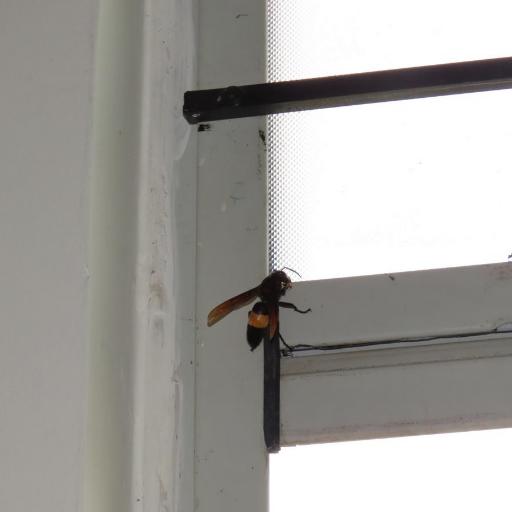
Known as the Greater Banded Hornet, Vespa tropica is a striking and formidable predator of the insect world. Often feared for its large size and bold markings, this hornet is a master architect and a skilled hunter. In many regions of Asia, it is a common sight in both wild forests and suburban gardens, where it keeps other insect populations in check.
🔍 How to Identify
- 🐝 Distinct Banding: The most defining feature is a single, broad, bright orange-yellow band across the second segment of its abdomen, contrasting sharply with its otherwise dark brown or black body.
- 📏 Large Stature: It is one of the larger hornet species, with workers typically reaching over an inch (25-30mm) in length and queens growing even larger.
- 🌑 Dark Head and Thorax: The front half of the insect is predominantly dark, which helps the bright yellow "warning" band stand out to potential predators.
🌲 Habitat & Ecology
- ⚔️ The Wasp Hunter: Unlike many other hornets that scavenge for fallen fruit or nectar, Vespa tropica is a specialized predator. It is famous for raiding the nests of smaller social wasps to capture their larvae and pupae to feed its own young.
- 🏡 Nesting Habits: They typically build their paper-like nests in concealed locations, such as hollow tree trunks, underground cavities, or even the dark corners of attics and garden sheds.
⚠️ Safety & Toxicity
- 🦂 Potentially Dangerous: While they are generally not aggressive when foraging, they will defend their nests fiercely. The sting is significantly more painful than that of a common honeybee due to the volume of venom.
- 🚫 Allergic Reaction Risk: For individuals with known Hymenoptera (wasp/bee) allergies, a sting can be life-threatening. If a nest is found near a high-traffic area in your garden, it is best to have it professionally relocated.
✨ Fun Fact
- The Greater Banded Hornet is a true "pirate" of the skies! It has been observed scouting for hours to find a paper wasp nest, only to launch a calculated raid where it systematically carries off the "babies" of the other colony to use as a high-protein meal for its own colony.
More Details








