Info
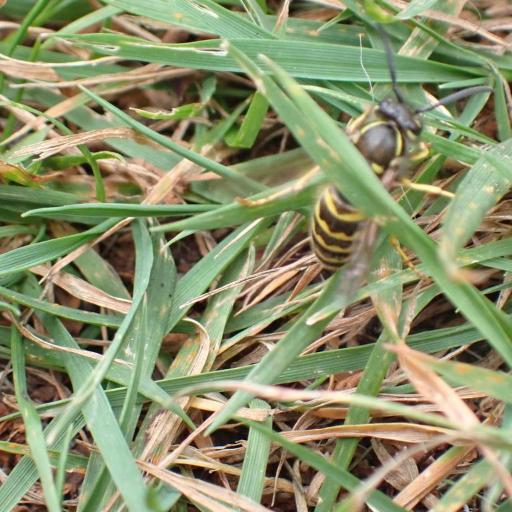
Often called the Alaskan Yellowjacket, Vespula alascensis is the classic "picnic crasher" of North America. While they might seem like aggressive pests when they’re hovering over your soda, these social wasps are actually high-efficiency garden security guards that hunt down caterpillars and flies. For decades, they were misidentified as a European species, but they are true-blue North American natives.
🔍 How to Identify
- 🐝 The Pattern: They sport the iconic bright yellow and jet-black bands. Look closely at the abdomen; the black markings often look like tiny anchors or spade symbols pointing toward the tail.
- 🎭 The Face: Unlike some other wasps, their "face" (the clypeus) usually has a distinct black pattern—often a vertical line or a series of dots—set against a yellow background.
- 📐 Body Shape: They have a short, stout body compared to the lanky, leggy appearance of Paper Wasps. When at rest, their wings are folded lengthwise, making them look narrow.
🌲 Habitat & Ecology
- 🏗️ Master Architects: These wasps are expert paper-makers. They chew up weathered wood and mix it with saliva to create grey, papery nests. You’ll usually find these nests hidden underground in abandoned rodent burrows or tucked inside hollow logs.
- 🥩 The Diet: They are "generalist foragers." In the spring and summer, they hunt protein (insects) to feed the growing larvae. By late summer, their "sweet tooth" kicks in, which is why they suddenly become interested in your fruit trees and sugary drinks.
⚠️ Safety & Toxicity
- 🚫 Status: Defensive and capable of multiple stings.
- 🚑 Details: Unlike honeybees, a yellowjacket can sting repeatedly without dying. They are highly territorial near their nest; if you step on a nest entrance, they will defend it vigorously. For most, the sting causes localized pain and swelling, but they pose a severe risk to individuals with hymenoptera allergies. Keep pets away from ground holes where you see heavy wasp traffic.
✨ Fun Fact
The Alaskan Yellowjacket is a cold-weather champion. While many other wasps struggle in the chill, Vespula alascensis thrives in the brisk climates of the Pacific Northwest and Alaska, often staying active much later into the autumn than its cousins.
More Details








