Info
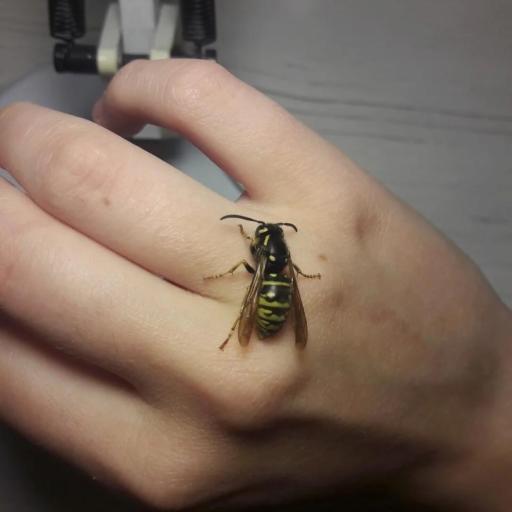
Known as the Red-backed Cuckoo Wasp, Vespula austriaca is the secret agent of the insect world. Instead of building its own paper home, this species is an "obligate parasite," meaning it lives a life of intrigue by hijacking the nests of its cousins. It is a fascinating, if slightly ruthless, example of nature's "work smarter, not harder" philosophy.
🔍 How to Identify
- 🐝 Body Shape: It is notably stouter and more robust than the average yellowjacket, built for the physical combat required to take over a nest.
- 🎨 Markings: Look for distinctive black patterns on a bright yellow abdomen, specifically a black "anchor" or "diamond" shape near the waist, and black hairs on its hind legs.
- ⚔️ The Head: Females possess unusually large, powerful mandibles (jaws) and a thicker-than-normal exoskeleton, which acts as armor against the stings of defending worker wasps.
🌲 Habitat & Ecology
- 🏠 The Hijacker: You won’t find this wasp gathering wood pulp to build a nest. Instead, the queen seeks out the established colonies of the Red Wasp (Vespula rufa), where she deposes the rightful queen and tricks the workers into raising her own royal offspring.
- 🌸 Diet & Role: While the "stolen" workers do the heavy lifting of hunting for protein, the adult Cuckoo Wasps spend their time lazily visiting flowers for nectar. Because they don't have to manage a colony, they are less common to see than their hardworking relatives.
⚠️ Safety & Toxicity
- 🐝 Stinging Capability: This wasp is a formidable fighter. The female possesses a long, powerful stinger used to subdue host queens.
- 🛡️ Human Interaction: They are generally not aggressive toward humans unless you happen to disturb the nest they have conquered. However, because they are "social" wasps, a perceived threat can lead to multiple stings, which are painful and can cause allergic reactions in sensitive individuals. Keep pets away from low-hanging or underground nests in late summer.
✨ Fun Fact
🎭 Pheromone Mimicry: The Cuckoo Wasp queen is a master of disguise; once she enters a host nest, she can actually change her chemical scent to match the colony, essentially "brainwashing" the resident workers into serving her!
More Details








