Info
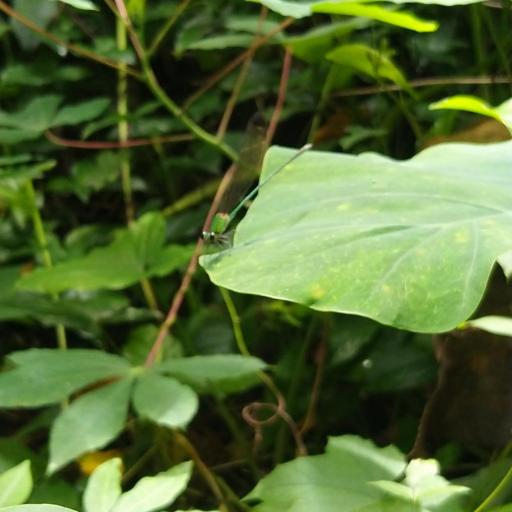
The Black-tipped Forest Glory is an ethereal resident of shaded forest streams across South and Southeast Asia. With a body that shimmers like polished emerald and wings marked by dramatic velvet-black tips, it looks more like a piece of living jewelry than a common insect. These damselflies are the silent guardians of flowing water, often found dancing through the dappled sunlight of tropical jungles.
🔍 How to Identify
- ✨ Iridescent Body: The thorax and long, slender abdomen glow with a brilliant metallic green or copper-blue sheen that shifts in the light.
- 🖤 Wing Tips: The most defining feature is the prominent dark brown or black patch at the very tips (apices) of all four wings.
- 📏 Resting Posture: Unlike dragonflies that keep their wings flat, this damselfly usually holds its wings closed together over its back when resting on a leaf.
🌲 Habitat & Ecology
- 💧 Clean Water Indicator: These insects are highly sensitive to pollution; they are typically found only near pristine, fast-flowing forest streams and rivers.
- 🦟 Aerial Predator: Don’t let their delicate looks fool you; they are efficient hunters that snatch midges, mosquitoes, and other small flying insects mid-air.
- 🌿 Shade Lovers: They prefer the "edge" habitat of forests, where they can perch on overhanging vegetation to keep a watchful eye on their aquatic territory.
⚠️ Safety & Toxicity
- ✅ Harmless Friend: The Black-tipped Forest Glory is completely non-toxic and lacks a stinger. It poses no threat to humans, garden plants, or pets.
- 🤏 Fragile Frames: While they are safe to observe, they are incredibly delicate. Handling them can easily damage their wings or thin legs, so it is best to enjoy their beauty from a distance.
✨ Fun Fact
The genus name Vestalis is a reference to the "Vestal Virgins" of ancient Rome. Early naturalists chose this name to reflect the insect's elegant, graceful movements and its preference for "pure," unpolluted waters.
More Details








