Info
Known as the Leopard Moth, Zeuzera pyrina looks like it stepped straight out of a high-fashion runway with its striking monochromatic spots. While it is undeniably beautiful, gardeners often have a love-hate relationship with this insect. While the adult moth is a stunning sight to behold, its larvae are stealthy wood-borers that can cause significant damage to beloved fruit and ornamental trees.
🔍 How to Identify
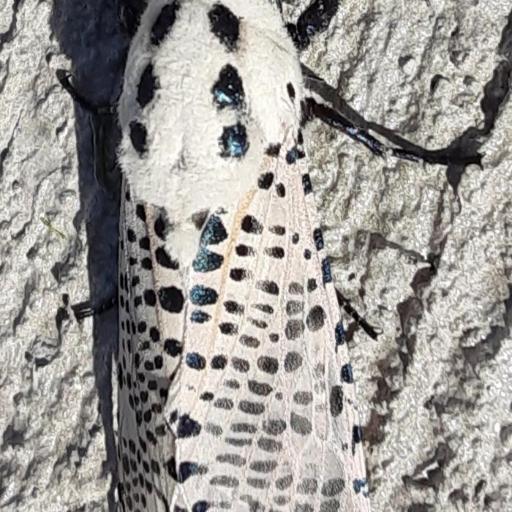
- 🐆 The Wings: Brilliant white wings densely covered in small, iridescent black or navy-blue spots, mimicking the coat of a leopard.
- ☁️ The Thorax: A thick, "furry" white upper body featuring six prominent black spots arranged in two neat rows.
- 📏 Size Difference: Females are noticeably larger and heavier than males, often seen resting on tree trunks while males are more active flyers.
🌲 Habitat & Ecology
- 🍎 A Wood-Boring Diet: Unlike many moths that nibble on leaves, the Leopard Moth caterpillar lives inside the tree. It tunnels into the heartwood of over 150 different plant species, with a particular fondness for apple, pear, and lilac.
- ⏳ Slow Development: These insects are long-term residents. A single larva may spend up to two or three years tunneling through a branch before it finally emerges as the spectacular moth you see today.
- 🪵 Signs of Presence: If you see "frass" (sawdust-like insect waste) at the base of a tree or a branch suddenly withering while the rest of the tree stays green, a Leopard Moth might be hiding inside.
⚠️ Safety & Toxicity
- 🛡️ Status: Completely harmless to humans and pets.
- 🚫 No Bite or Sting: This moth lacks a functional mouth as an adult and does not possess a stinger. It cannot bite you, and it isn't toxic if accidentally touched.
- 🌳 Plant Safety: While safe for people, it is a "foe" to young trees. The tunneling can weaken branches, making them snap easily in high winds.
✨ Fun Fact
Adult Leopard Moths live a "fast and short" life. Because they lack functioning mouthparts, they cannot eat or drink. They survive entirely on energy stored from their caterpillar days, living only a few days to find a mate and lay eggs before their time is up!
More Details








