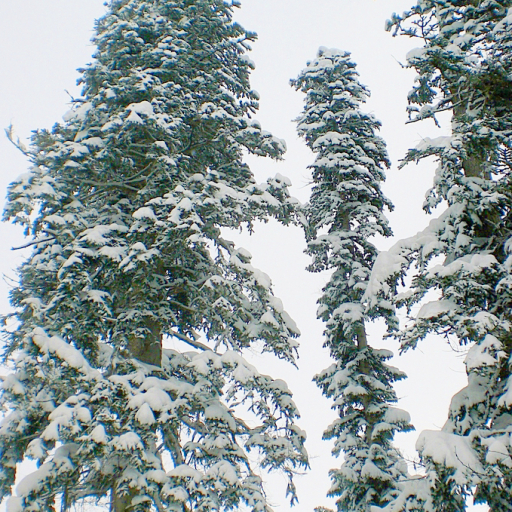
Plant Overview
The Nordmann Fir is often hailed as the "King of Christmas Trees," beloved for its lush, deep green foliage and incredible needle retention. Unlike many of its cousins, it doesn’t drop its needles even when dry, earning it the nickname "The Non-Drop Fir." Originating from the rugged Caucasus Mountains, this majestic evergreen brings a sense of ancient mountain grandeur to any large landscape.
🔍 How to Identify
- 🌲 The Needles: The needles are flat, glossy, and dark green. If you flip them over, you’ll find two distinct silvery-white bands on the underside, giving the tree a shimmering appearance in the wind.
- 🤲 Soft Texture: Unlike the prickly Blue Spruce, the Nordmann Fir’s needles are blunt and soft to the touch, making it the preferred choice for households with small children.
- 🕯️ Upright Cones: The cones are cylindrical and sit vertically on the upper branches like brown candles. They often release a sticky, fragrant resin as they mature.
🏡 In Your Garden
- 🏔️ Mountain Heritage: Because it hails from cool, moist mountain climates, it thrives in deep, well-draining soil. It is particularly sensitive to "wet feet," so avoid planting it in areas where water pools, or the roots may rot.
- ⏳ Patience Required: This is a slow-growing giant. It takes its time to establish its deep root system, but once settled, it becomes incredibly hardy and can live for several centuries. It prefers areas with high humidity and struggles in very dry, arid wind.
⚠️ Safety & Toxicity
- 🐾 Pet & Child Safe: The Nordmann Fir is generally considered non-toxic to cats, dogs, and humans. It is one of the safest choices for an indoor holiday tree.
- 🧴 Sticky Resin: While not poisonous, the tree produces a thick, aromatic sap (resin). This can cause mild skin irritation for those with sensitive skin and is notoriously difficult to remove from fur or clothing.
✨ Fun Fact
The Nordmann Fir is named after Finnish zoologist Alexander von Nordmann, who "discovered" it in Georgia in 1838. Today, it is so popular that Denmark grows and exports over 10 million of these trees every year to celebrate Christmas across Europe!

Detailed Care Instructions
| Humidity | Normal |
| Lighting | Part Sun |
| Difficulty | Medium |
| Hardiness Zones | 4 - 7 |
To grow Abies nordmanniana (Nordmann fir) plants, follow these steps:
- Select a suitable location: Choose a spot that receives full sun to partial shade. The soil should be well-draining and slightly acidic with a pH of 5.5 to 7.
- Prepare the soil: Remove any weeds or grass from the planting area and loosen the soil. Incorporate organic matter such as compost or peat moss to improve drainage and fertility.
- Plant the seedlings: Nordmann fir is typically propagated from seedlings or container-grown plants. Dig a hole that is slightly larger than the root ball of the seedling. Place the root ball in the hole and backfill with soil, ensuring that the top of the root ball is level with the soil surface. Firmly tamp down the soil around the seedling.
- Water regularly: Water the newly planted seedlings thoroughly, ensuring that the soil is evenly moist. During the establishment phase, it is important to keep the area well-watered, particularly during dry periods. However, avoid overwatering, as excessive moisture can lead to root rot.
- Mulch the area: Apply a layer of organic mulch around the base of the plants to conserve soil moisture, suppress weed growth, and regulate soil temperature. Keep the mulch a few inches away from the trunk to prevent rot.
- Prune if needed: As the trees grow, you may need to prune them to maintain their shape or remove any dead or damaged branches. Pruning should be done in late winter or early spring before new growth appears.
- Fertilize appropriately: Nordmann firs do not typically require regular fertilization. However, if the soil lacks essential nutrients, you can apply a slow-release, balanced fertilizer in early spring. Follow the package instructions for the recommended dosage.
- Monitor for pests and diseases: Keep an eye out for common pests such as aphids, spider mites, or adelgids. If necessary, apply appropriate insecticides or consult a local plant expert for advice. Nordmann firs are relatively resistant to diseases but can be affected by root rot or needle cast in poorly drained or overcrowded conditions.
- Protect from extreme temperatures: Nordmann fir is hardy in USDA zones 4-7 but may require extra protection in harsh winter conditions. Consider providing a windbreak or wrapping burlap around the trees during severe cold spells.
- Be patient: Abies nordmanniana is a slow-growing tree, so be prepared to wait several years for significant growth. With proper care and patience, your Nordmann firs will gradually mature and provide a beautiful addition to your landscape.

Place in a bright room that is sun drenched almost all day. Or directly in a south-facing window.

To water this particular plant, ensure that the soil is moist but not waterlogged. Adequate drainage is crucial to prevent the roots from becoming waterlogged and causing damage to the plant. Water the plant deeply, allowing the water to penetrate the soil and reach the root system. The frequency of watering will depend on various factors, such as temperature, humidity, and soil type, but generally, it should be done once a week or when the topsoil feels dry to the touch. Avoid watering the foliage, as this may cause fungal diseases to develop. Use a watering can or hose with a gentle spray to water the plant, ensuring that the soil around the base of the plant is sufficiently hydrated.
To fertilize this plant, use a balanced, slow-release fertilizer in early spring just before new growth appears. Apply the fertilizer evenly around the drip line of the plant, avoiding direct contact with the trunk or foliage. Water thoroughly after applying the fertilizer to help it penetrate the soil. Repeat this process once in midsummer. Be careful not to over-fertilize, as this can cause root burn and damage to the plant.
The recommended soil type for Abies Nordmanniana is a well-draining acidic soil with a pH range of 5.0 to 6.5. The soil should be rich in organic matter, such as compost, leaf litter, or peat moss, and should have good water-holding capacity. It is important to avoid soils that are too heavy or compacted, as they can impede root development and drainage. A sandy loam or loamy soil is generally suitable for this plant. Additionally, it is recommended to avoid soil that has been treated with herbicides or pesticides, as this can affect the health of the plant.
One way to propagate this plant is through seed propagation. Collect the cones of mature Abies Nordmanniana trees and extract the seeds by roasting the cones in a hot oven or soaking them in warm water. The seeds should then be stratified, which involves keeping them in a cold and moist environment for a specific period of time to simulate natural winter conditions. Once stratification is complete, plant the seeds in a well-draining potting medium and keep them moist until germination occurs.
Another way to propagate this plant is through cuttings. Take 4-6 inch cuttings from the current year's growth and remove the needles from the lower half of the cutting. Dip the cut end in rooting hormone and plant it in a potting medium that is kept moist and in a warm, sheltered location. Once roots have formed, the cutting can be transplanted into a larger container or planted in the ground.
Layering is another method of propagation for this plant. Select a low branch and gently bend it to the ground. Use a sharp knife to make a small wound on the underside of the branch, dust with rooting hormone, and cover the wounded spot with soil or mulch. Water the area regularly until roots have formed and then cut the branch from the parent plant and transplant it.
Common pests of the caucasian fir include Scale insect, spider mites, aphids. Make a habit of checking your caucasian fir frequently for pests so that any infestations can be caught and managed early.








