Plant Overview
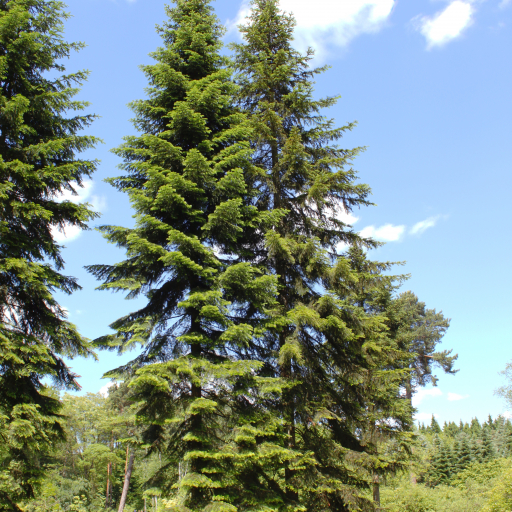
Known famously as the Siberian Fir, this elegant evergreen is the ultimate survivor of the frozen north. Originating from the vast, icy taigas of Russia and Mongolia, it is often nicknamed the "Aromatic Sentinel" because of the incredibly fresh, forest-like scent it releases into the air. In many cultures, it is the quintessential winter tree, symbolizing endurance and eternal life amidst the harshest snows.
🔍 How to Identify
- 🌲 The Foliage: Look for soft, flattened needles that feel pleasant to the touch rather than prickly. They are a deep, glossy green on top with two pale, silvery-white stripes on the underside.
- 🍦 The Silhouette: It grows in a very narrow, spire-like conical shape, looking almost like a perfectly pointed green pyramid reaching for the sky.
- 🕯️ The Cones: Unlike many other evergreens whose cones hang down, the Siberian Fir’s cones stand perfectly upright on the branches like purple-blue candles before they turn brown and fall apart.
🏡 In Your Garden
- ❄️ Climate Needs: This tree is a cold-weather specialist. It thrives in regions where the winters are long and the summers are cool; it will struggle or "sulk" in humid, tropical, or high-heat environments.
- 💧 Soil & Water: It prefers moist, well-drained, and slightly acidic soil. Because it has a relatively shallow root system compared to other giants, it appreciates a layer of mulch to keep its "feet" cool and hydrated during dry spells.
⚠️ Safety & Toxicity
- 🟢 Pet & Human Safety: The Siberian Fir is generally considered non-toxic to cats, dogs, and humans. It is a common choice for indoor holiday decorations for this reason.
- 🧴 Skin Sensitivity: While the tree itself is safe, the concentrated resin or essential oils extracted from the needles can cause mild skin irritation or allergic reactions in sensitive individuals.
✨ Fun Fact
The Siberian Fir is the primary source of "Siberian Fir Needle Oil." This oil is world-renowned in aromatherapy for its ability to reduce stress and help clear respiratory pathways—basically, it's the "secret ingredient" that makes many high-end winter candles smell so nostalgic!

Detailed Care Instructions
To grow Abies sibirica, also known as Siberian fir, you can follow these steps:
- Choose the right location: Siberian firs prefer cool regions with well-drained soil. They thrive in full sun to partial shade. Ensure the area you select for planting has sufficient space for the tree to grow to its full size, as Siberian fir can reach heights of 40-50 feet.
- Prepare the soil: Siberian firs prefer slightly acidic soil with a pH between 5.5 and 6.5. Test the soil and amend it if needed by adding organic matter such as compost or peat moss to improve drainage and fertility. Work the organic matter into the top few inches of soil.
- Plant the tree: Dig a hole about twice as wide as the root ball of the tree and slightly shallower than the root ball's depth. Place the tree in the hole, making sure it sits at the same level as it did in the nursery container. Backfill the hole with soil, gently firming it around the root ball to eliminate air pockets.
- Water thoroughly: After planting, water the tree deeply and provide regular irrigation during the first growing season to help the roots establish. Keep the soil moist, but avoid overwatering, as excessive moisture can cause root rot.
- Mulch: Apply a layer of organic mulch, such as wood chips or bark, around the base of the tree, ensuring it does not touch the trunk. Mulch helps retain moisture, suppresses weed growth, and regulates soil temperature.
- Pruning: Siberian firs generally require minimal pruning. However, to maintain their shape or remove any dead or damaged branches, prune selectively when necessary. Late winter or early spring is the best time for pruning.
- Fertilization: Siberian firs generally do not require much fertilizer. However, if the soil is deficient in nutrients, you can apply a balanced slow-release fertilizer formulated for trees in early spring.
- Protect from pests and diseases: Monitor the tree for any signs of pest infestations like adelgids, aphids, or scales. If detected, consider using eco-friendly pesticides or contacting a professional for assistance. Also, ensure sufficient air circulation around the tree to prevent fungal diseases.
- Be patient: Siberian firs are slow-growing trees, so it may take several years for them to reach their full potential. Be patient and provide the necessary care and maintenance to help them thrive.
Remember to check specific growing recommendations for your region and consult with local garden centers or horticulturists for additional guidance based on your specific climate and soil conditions.

Place in a bright room that is sun drenched almost all day. Or directly in a south-facing window.

When watering this plant, it is important to consider the type of soil and drainage in which it is planted. The top layer of soil should be allowed to dry out slightly between waterings, but the roots should not be allowed to completely dry out or sit in standing water.
Watering should be done deeply, ensuring that the water reaches the roots of the plant. A slow, steady stream of water is recommended, as this allows the water to penetrate the soil without running off the surface. Be sure to avoid getting water on the foliage, as this can lead to fungal diseases.
In general, this plant requires moderate watering, and its watering frequency may vary depending on factors such as temperature, humidity, and sunlight exposure. Monitor the soil moisture regularly, and adjust watering accordingly.
For best results, fertilize your Abies Sibirica plant in the early spring before new growth begins. Use a balanced fertilizer with equal amounts of nitrogen, phosphorus, and potassium. Choose a slow-release granular fertilizer and apply it according to the package instructions, making sure to mix it well into the soil. Water the plant thoroughly after fertilizing to help distribute the nutrients evenly. Avoid over-fertilizing as it can lead to excessive growth and weaken the plant.
The ideal soil for Abies Sibirica plant should be well-draining and rich in organic matter. The soil pH should be slightly acidic to neutral (between 5.5 and 7.0), with a loamy texture. The plant prefers a soil that is moist but not waterlogged, and it should be kept moist in summer. The soil should be able to retain moisture but should not be soggy. Avoid using heavy clay soils or those that are high in sand content as they can often cause root issues that can ultimately stunt the plant's growth.
To propagate this plant, you will need to collect seeds from a mature, healthy specimen. These seeds should be stored in a cool, dry location until spring. In the spring, it is important to stratify the seeds to encourage germination. To do this, place the seeds in a moist mixture of peat and sand and refrigerate for several weeks.
Once the seeds have stratified, they can be planted in a pot or directly into the ground. It is important to keep the soil moist and well-drained during the growing season. The seedlings will need protection from harsh sun and wind, so consider installing shade cloth or windbreaks.
It may take several years for the young plants to grow to a size suitable for transplanting. When the time comes to move them to a permanent location, take care to choose a spot with well-draining soil and plenty of sun. These plants prefer a cool climate, so be sure to avoid planting them in regions with hot or dry summers.
Regular watering and fertilization can help to keep the Abies Sibirica healthy and thriving. With proper care, this beautiful and unique plant can make a stunning addition to any landscape.








