Plant Overview
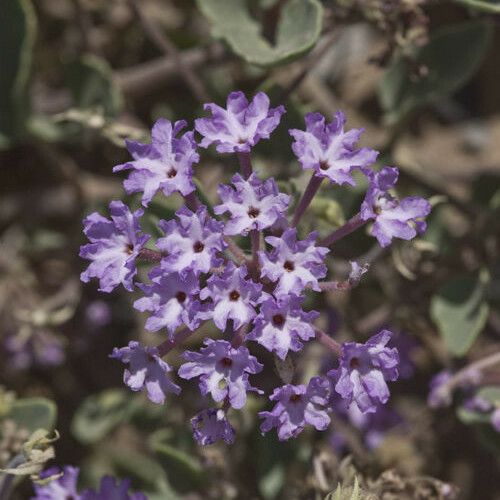
Known as the Narrow-leaf Sand Verbena, this low-growing desert gem transforms harsh, sandy dunes into vibrant carpets of pink and purple. Often regarded as a "desert survivor," it thrives in the sun-drenched Chihuahuan desert where other plants would wither. Its ability to bloom after scant rainfall makes it a beloved sight for hikers and desert enthusiasts alike.
🔍 How to Identify
- 🌸 Fragrant Pom-Poms: The flowers grow in dense, rounded clusters of small, trumpet-shaped blooms that range from pale lavender to deep magenta.
- 🌿 Slender Foliage: As the name angustifolia suggests, its leaves are notably narrow and elongated compared to other Sand Verbenas, often appearing in opposite pairs along the stem.
- ✨ Sticky Texture: The stems and leaves are covered in minute, glandular hairs that feel sticky to the touch. This often causes sand and dust to cling to the plant, giving it a "gritty" appearance.
🏡 In Your Garden
- 🏜️ The Sand Specialist: This plant is a "psammophyte," meaning it is biologically designed to thrive in sand. In a home landscape, it requires exceptionally well-draining soil; even a small amount of trapped moisture near the crown can lead to rapid rot.
- 🦴 Sensitive Taproot: It develops a deep taproot to seek out moisture far below the surface. Because of this, it is notoriously difficult to transplant. If you are growing it from seed, it is best to plant it directly in its permanent "forever home."
⚠️ Safety & Toxicity
- ✅ Non-Toxic Status: Abronia angustifolia is generally considered non-toxic to humans, dogs, and cats. It does not possess thorns or stinging hairs.
- 🧤 Minor Irritation: While not poisonous, the sticky resin on the stems can be a magnet for desert debris and pollen, which might cause mild skin irritation or "itchiness" for sensitive individuals who handle the plant frequently.
✨ Fun Fact
The flowers of the Narrow-leaf Sand Verbena are most fragrant in the late afternoon and evening. This is a clever evolutionary trick to attract its primary pollinators: nocturnal hawkmoths that navigate by scent under the desert moon!

Detailed Care Instructions
To grow Abronia angustifolia, also known as narrowleaf sandpaper plant, you can follow these steps:
- Choose the right location: The plant prefers full sun to partial shade. Find a well-draining spot in your garden where it can receive at least 6 hours of direct sunlight per day.
- Prepare the soil: The plant thrives in sandy or rocky soil. Make sure the soil is well-draining and slightly acidic. If the soil contains a lot of clay, amend it with organic matter or sand to improve its drainage.
- Planting: Begin by removing any weeds or rocks from the area where you plan to plant. Dig a hole that is slightly larger and deeper than the root ball of the seedling or plant. Place the plant in the hole and cover the roots with soil. Gently firm the soil around the plant to eliminate air pockets.
- Watering: Water the plant thoroughly after planting to help it establish its roots. Water it regularly, allowing the top inch of soil to dry out between watering sessions. Avoid overwatering, as the plant does not tolerate wet feet.
- Mulching: Apply a layer of organic mulch around the base of the plant to help conserve moisture, suppress weeds, and insulate the roots. Make sure the mulch is not touching the stem to prevent rot.
- Fertilizing: Abronia angustifolia does not typically require much fertilization. However, you can apply a slow-release fertilizer or a balanced organic fertilizer once a year in early spring to provide some nutrients.
- Pruning: While minimal pruning is required, you can remove dead or damaged branches as necessary. Additionally, trimming back the plant after flowering can help maintain its shape and encourage better growth the next year.
- Protecting from pests and diseases: Abronia angustifolia is generally resistant to most pests and diseases. However, you should keep an eye out for any signs of damage or infestations and treat them accordingly using organic remedies or insecticides if necessary.
Remember to check the specific care requirements for your region, as well as any local regulations or guidelines for planting and growing Abronia angustifolia.

Place in a bright room that is sun drenched almost all day. Or directly in a south-facing window.

Abronia Angustifolia plants need to be watered regularly, but not excessively. When watering, it is important to avoid getting water on the leaves, as this can cause damage or disease. Instead, water the soil around the base of the plant. The soil should be kept moist but not soaking wet. It is better to water deeply and less frequently rather than shallowly and frequently. During periods of drought or high heat, the plant may require more frequent watering. It is important to monitor the soil moisture and adjust watering as needed. In winter, when the plant is dormant, it will require less water.
To fertilize this plant, use a balanced fertilizer with equal parts nitrogen, phosphorus, and potassium. Apply the fertilizer once a month during the growing season, typically from spring to fall. Dilute the fertilizer to half the recommended strength and water the plant with the solution. Avoid fertilizing during the dormant season.
Abronia Angustifolia prefers well-draining soil that is slightly acidic to neutral. A mixture of sand, perlite, and peat moss is a good option for this plant. It can also grow in sandy soil with low to moderate fertility. Avoid using heavy, clay soil that retains too much moisture, as this can cause root rot. Additionally, the soil should be amended with organic matter, such as compost, to improve its quality and nutrient content. Regular watering is important, but the soil should not be waterlogged, as this can also lead to root rot. It is recommended to use a light, porous soil that allows for adequate drainage and aeration.
To propagate this plant without using its common names, follow these steps:
- Cut a 4-6 inch stem from the parent plant using sterilized scissors or a knife.
- Remove the lower set of leaves from the stem and dip the cut end in rooting hormone powder.
- Fill a pot with well-draining soil and make a small hole in the center using your finger.
- Place the stem into the hole and cover it with soil, firming it down gently.
- Water the cutting and then place a plastic bag over the pot to create a mini greenhouse.
- Place the pot in a warm and bright place but avoid direct sun.
- Once you notice new growth on the plant, remove the plastic bag and move the plant to a brighter location.
- Water the plant regularly, keeping the soil moist but not waterlogged.
- After a month or two, you can transplant the new plant into its permanent location.








