Plant Overview
Known affectionately as the Sweet Sand Verbena or Snowball Verbena, this hardy wildflower is a nocturnal superstar of the Western North American prairies and dunes. While it looks like a delicate puff of white lace, it is surprisingly resilient, often found braving shifting sands where other plants struggle to take root. Its most magical quality is its heavy, vanilla-like fragrance, which intensifies as the sun sets to beckon its nighttime pollinators.
🔍 How to Identify
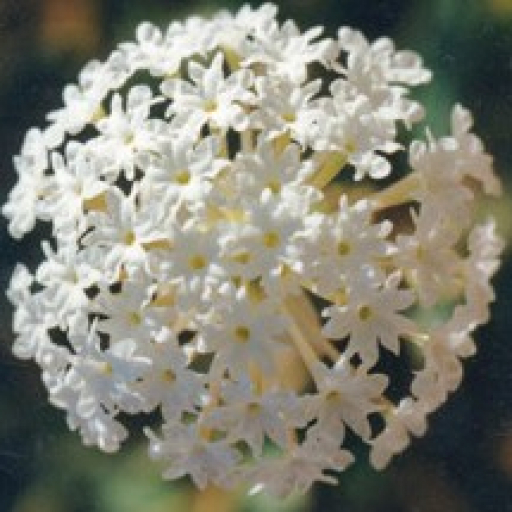
- 🌸 The Blooms: It features striking, ball-shaped clusters (umbels) made up of many small, trumpet-shaped white flowers that sometimes blush with a hint of pale pink or lavender.
- 🍃 The Foliage: The leaves are oval-shaped, greyish-green, and grow in opposite pairs along the stem.
- 🍯 Sticky Stems: A key identifier is the plant’s "sticky" texture. The stems and leaves are covered in tiny glandular hairs that often trap grains of sand, acting as a natural camouflage and a shield against parching winds.
🏡 In Your Garden
- 🏜️ The Taproot Trap: This plant develops a deep, sturdy taproot to find water in arid environments. Because of this, it "hates" being moved once established. If you are planting it from a pot, be extremely gentle with the root ball, as any damage can cause the plant to fail.
- 🌬️ Drought Specialist: It thrives in "disturbed" or poor soils, particularly sandy or gravelly spots with excellent drainage. It is a perfect choice for xeriscaping or rock gardens where you want beauty without a high water bill.
- 🦋 Moth Magnet: Because it saves its strongest scent for the moonlight, it is a vital nectar source for Sphinx moths. Planting these near a patio allows you to enjoy their perfume during summer evenings.
⚠️ Safety & Toxicity
- ✅ Generally Safe: Abronia fragrans is not listed as a high-risk toxic plant for humans or common household pets.
- 🚫 External Irritants: While not poisonous, the sticky hairs on the stems can collect grit and sand, which might cause minor skin irritation if handled roughly. As with most wild ornamental plants, it is best kept away from curious toddlers who might try to sample the "snowballs."
✨ Fun Fact
Native American tribes, including the Navajo, traditionally used the roots of the Sand Verbena as a medicinal remedy for skin boils and even used the ground plant as a traditional "laundry detergent" or soap due to its natural chemical properties!

Detailed Care Instructions
To grow Abronia fragrans, also known as fragrant sand verbena, follow these steps:
- Choose the right location: Abronia fragrans prefers full sun, so select a spot in your garden that receives at least 6-8 hours of direct sunlight each day. The soil should be well-draining and sandy.
- Prepare the soil: Before planting, loosen the soil in the chosen area by tilling or digging. Mix in some organic matter like compost to improve drainage and nutrient content.
- Sow the seeds: Abronia fragrans can be grown from seeds. Scatter the seeds thinly over the prepared soil, then cover them with a thin layer of soil or fine sand. Avoid burying the seeds too deeply, as they need sunlight to germinate.
- Watering: Water the area gently but thoroughly after sowing the seeds. Keep the soil consistently moist until the seeds germinate. Once established, water the plants deeply but infrequently, allowing the soil to dry out slightly between waterings.
- Maintenance: Remove any weeds that may compete with the young plants for nutrients and water. Mulching around the plants can help suppress weeds and retain moisture. Abronia fragrans is fairly drought-tolerant but performs best with regular watering during dry spells.
- Pruning: Regular pruning is not necessary for Abronia fragrans. However, you can trim back any dead or damaged growth to keep the plant tidy and promote healthy growth.
- Fertilization: Unlike many other plants, Abronia fragrans doesn't require much fertilization. However, you can apply a balanced, slow-release fertilizer once or twice during the growing season if desired. Follow the package instructions for application rates.
- Propagation: If you want to propagate more plants, collect the seeds from mature plants once they dry out and turn brown. Store the seeds in a cool, dry place until ready for planting.
Please note that Abronia fragrans is native to coastal regions of California, Mexico, and the Baja Peninsula. If you live in a different climate zone, make sure to check if this plant is suitable for your location and adjust the growing conditions accordingly.

Place in a bright room that is sun drenched almost all day. Or directly in a south-facing window.

This plant requires regular watering. Keep the soil moist, but not waterlogged. To prevent overwatering, it is important to plant it in well-draining soil. It is best to water the plant in the early morning or late afternoon to avoid evaporation during the hottest part of the day. Avoid getting water on the leaves and only water at the base of the plant to prevent fungal diseases. Watering can be reduced during the plant's dormant period, which is usually in the winter months.
For best results, fertilize the plant with a balanced fertilizer in the spring before new growth begins. Use a slow-release fertilizer that releases nutrients over time and apply according to the instructions on the package. During the growing season, avoid over-fertilizing as excessive nitrogen can promote foliage growth at the expense of flowers. Instead, use a low-nitrogen fertilizer every two to four weeks to encourage healthy growth and flowering. Water the plant thoroughly after fertilizing to ensure the nutrients are absorbed by the roots.
Abronia fragrans is a plant species that originates from the United States and is a member of the Nyctaginaceae family. The best soil type for growing this plant should be well-draining with a pH level that ranges from neutral to slightly alkaline. A sandy loam or loamy sand texture with some organic matter content is ideal. The soil should not retain too much water as this can cause root rot in the plant. Additionally, the plant prefers a soil that is rich in nutrients, especially nitrogen, phosphate, and potassium. It is recommended to add organic fertilizers such as compost or well-rotted manure to the soil before planting. The addition of a layer of mulch around the base of the plant can help retain moisture and regulate soil temperature. Overall, a well-draining, nutrient-rich soil is crucial to ensure the healthy growth and development of Abronia fragrans.
To propagate this plant, you will need to collect mature seeds from the plant and prepare them for planting. Begin by collecting the seeds from the dried flower heads of the plant. Remove the seeds from the heads and separate any chaff or debris from the seeds.
Next, prepare a planting bed or container with potting soil that is well-draining and contains some sand or perlite. Moisten the soil lightly and sprinkle the seeds over the surface of the soil.
Cover the seeds with a thin layer of soil, no more than 1/8 inch deep, and water gently. Keep the soil moist but not waterlogged, and place the container or planting bed in a location with bright indirect light.
The seeds will germinate in about 10-14 days, and you should begin to see small sprouts emerging from the soil. As the seedlings grow, thin them to ensure they have plenty of space to develop. Once the seedlings have a few sets of leaves, you can transplant them into individual pots or into a larger container or garden bed.
Ensure the soil stays moist but not wet as the seedlings establish themselves. Once they are well-rooted and established, you can begin to gradually decrease the frequency of watering.
With proper care and attention, your new plants should thrive and grow into beautiful and aromatic additions to your garden.








