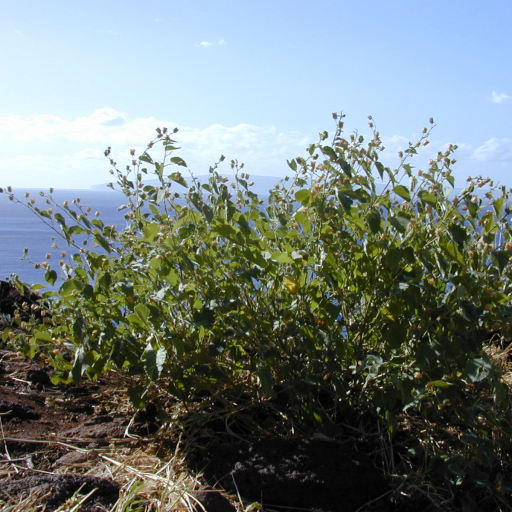
Plant Overview
Often called the Hoary Abutilon or Pelotazo, this desert-dwelling shrub is a master of survival in the arid landscapes of the American Southwest and Mexico. While it may look delicate with its tiny, lantern-like flowers, it is a rugged survivor that adds a soft, silvery texture to sun-drenched gardens. It is a favorite stop for butterflies and hummingbirds looking for a quick nectar snack in the heat of the day.
🔍 How to Identify
- ☁️ Velvety Foliage: The heart-shaped leaves are covered in fine, dense hairs, giving them a distinct "hoary" or frosted silver-green appearance and a soft, suede-like texture.
- 🏮 Lantern Flowers: Small, five-petaled blooms range from pale apricot to sunny yellow, often featuring a striking deep-maroon "eye" at the very center.
- ⭐ Starry Seed Pods: After the flowers fade, the plant produces distinctive circular seed capsules that look like tiny, dried stars or gear wheels.
🏡 In Your Garden
- 🌵 Drainage is Key: This plant is a true desert native and "hates wet feet." It thrives in rocky or sandy soils where water moves quickly away from the roots, making it perfect for xeriscaping.
- 🦋 Pollinator Magnet: Because it blooms intermittently throughout the year (especially after rain), it serves as a vital "refueling station" for bees and butterflies in drought-prone areas.
⚠️ Safety & Toxicity
- ✅ Safe & Friendly: Abutilon incanum is generally considered non-toxic and safe for home landscapes.
- 🐾 Pet & Child Safe: There are no known toxic effects for dogs, cats, or curious children, making it a worry-free addition to a family-friendly garden.
✨ Fun Fact
The "hoary" part of its name refers to the fine white hairs on its leaves; these aren't just for show—they act as a natural sunscreen, reflecting intense UV rays to keep the plant cool and prevent water loss!

Detailed Care Instructions
To grow Abutilon Incanum, also known as Indian Mallow, follow these steps:
- Choose a suitable location: Abutilon Incanum prefers full sun to partial shade. Ensure the location receives at least 4-6 hours of sunlight daily.
- Soil preparation: The plant thrives in well-draining soil that is rich in organic matter. Prepare the soil by digging up the area and adding compost or well-rotted manure to improve fertility and drainage.
- Planting: Dig a hole slightly larger than the root ball of the plant. Place the plant in the hole and backfill with soil. Ensure the plant is at the same depth as it was in the pot.
- Watering: Water the plant thoroughly after planting and continue to water regularly, especially during dry spells. However, avoid overwatering, as the plant prefers slightly dry soil over soggy conditions.
- Mulching: Apply a layer of organic mulch around the base of the plant to conserve moisture and suppress weed growth. Leave a gap around the stem to prevent rot.
- Pruning: Regular pruning helps maintain the shape and encourage bushier growth. Prune in early spring before new growth appears and remove any dead, damaged, or weak branches.
- Fertilization: Feed the plant with a balanced fertilizer once every 2-3 weeks during the growing season (spring to summer). Follow the recommended dosage on the fertilizer packaging.
- Pests and diseases: Abutilon Incanum is relatively pest-resistant but keep an eye out for common garden pests like aphids, whiteflies, or spider mites. Treat any infestations promptly with organic insecticides or soapy water.
- Overwintering: Abutilon Incanum is generally hardy in USDA zones 9-11 but may require protection in colder regions. Mulch around the base of the plant to insulate the roots and consider using a frost blanket during freezing temperatures.
- Propagation: Abutilon Incanum can be propagated by taking softwood cuttings in spring or summer, or by collecting seeds in fall. Consult specific propagation techniques for more details.
Remember to consult local gardening resources for specific tips and recommendations based on your region's climate and conditions.

Place in a bright room that is sun drenched almost all day. Or directly in a south-facing window.

Abutilon Incanum is a plant that requires moderate watering. It is important to ensure that the soil stays moist but not overly saturated. The best way to achieve this is by watering the plant deeply once a week, making sure that the water reaches the roots. When watering, it is recommended to water the soil directly rather than the leaves as this can cause damage to the foliage. It is important to avoid letting the soil dry out completely, as this can cause stress to the plant. Additionally, it is recommended to avoid overwatering the plant as this can lead to root rot and other problems. Regularly checking the soil moisture level by sticking your finger into the soil can help you determine if the plant needs watering or not.
To fertilize this plant, use a balanced fertilizer with equal parts nitrogen, phosphorus, and potassium. Apply the fertilizer once every four to six weeks during the growing season. Before applying the fertilizer, make sure the soil is moist but not too wet. Follow the instructions on the fertilizer packaging for application rates. Be careful not to over-fertilize, as this can damage the plant.
Abutilon Incanum plant belongs to a species that requires a well-drained, rich soil that is slightly acidic in nature. The recommended soil pH for this plant is between 6.0-6.5. It prefers a soil that is loose, loamy, and full of organic matter.
To create the ideal soil for Abutilon Incanum plant, you can mix equal amounts of peat moss, perlite, and garden soil. The addition of compost or well-rotted manure will further enrich the soil and improve its texture.
It is important to note that this plant is native to desert-like environments and requires well-drained soil to prevent root rot. Therefore, it is important not to use heavy clay soils or soils that retain too much moisture.
Overall, Abutilon Incanum plant thrives in a soil that is rich in nutrients, well-aerated, and able to drain excess water effectively.
Abutilon Incanum plant can be propagated through stem cuttings. To do this, select a healthy and mature stem with several leaves on it. Cut the stem at a 45-degree angle just below a node, which is where a leaf meets the stem. Remove any leaves from the lower half of the stem.
Dip the cut end of the stem into rooting hormone powder and shake off any excess. Place the cutting into a pot filled with a well-draining potting mix. Make sure the soil is moist but not waterlogged.
Cover the pot with a clear plastic bag to help retain moisture. Place the pot in a bright location but out of direct sunlight. Check the soil regularly and water as needed to keep it moist.
After a few weeks, new growth should appear, indicating that the cutting has successfully rooted. At this point, you can remove the plastic bag and gradually expose the plant to more light and air.
Once the plant has grown several inches and has several leaves, it can be transplanted into a larger pot or into the ground outdoors.








