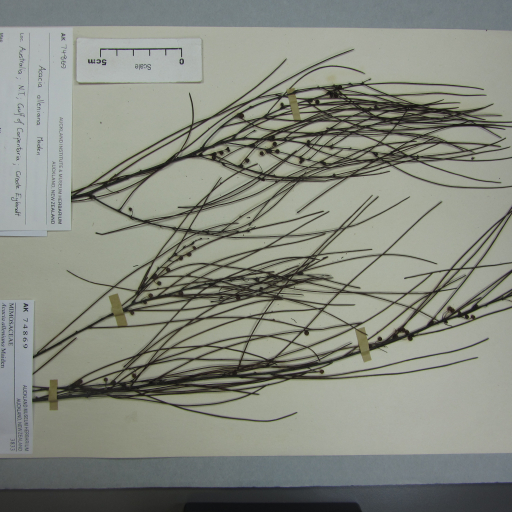
Plant Overview
Often called the "Bodyguard Tree" of the Central American rainforests, Acacia allenii (or Allen’s Acacia) is a master of biological strategy. Native to the humid lowlands of Costa Rica and Panama, this tree is famous for its "bull-horn" architecture and its legendary partnership with stinging ants. It doesn't just grow; it recruits a tiny private army to ensure its survival in the competitive jungle.
🔍 How to Identify
- ⚔️ Swollen Thorns: The most striking feature is the pairs of large, hollow, horn-like spines at the base of the leaves. These serve as specialized "villas" for protector ants.
- 🍃 Feathery Foliage: It features delicate, fern-like (bipinnate) leaves that provide a soft, airy texture, contrasting sharply with its intimidating thorns.
- 🌕 Golden Puffballs: During its blooming season, the tree produces small, bright yellow, spherical flower heads that look like miniature suns scattered throughout the branches.
🏡 In Your Garden
- 🌱 A Tropical Specialist: Unlike many common garden acacias, Acacia allenii craves high humidity and consistent warmth. It is rarely found in traditional home gardens outside of the tropics because it struggles with dry air and cold snaps.
- 🤝 The Ant Mutualism: In the wild, this tree provides food (Beltian bodies and nectar) to Pseudomyrmex ants. In a domestic setting without these ants, the tree can be more vulnerable to local pests, as it has evolved to outsource its defense to its insect partners.
⚠️ Safety & Toxicity
- 🌵 Physical Hazard: The thorns are exceptionally sharp and rigid. They can easily pierce through light clothing and skin, making the plant a physical risk in high-traffic areas.
- 🐾 Pet & Child Safety: While the foliage itself isn't documented as highly toxic, the structural defenses (thorns) are a major concern for curious pets or children. Additionally, in its native habitat, the resident ants will aggressively sting anything that touches the branches.
✨ Fun Fact
- 🧪 Chemical Bribery: Acacia allenii actually "tricks" its ant guards into staying. It produces a special nectar containing an enzyme that prevents the ants from being able to digest any other sugar sources, effectively making them "addicted" to the tree’s specific menu!

Detailed Care Instructions








