Plant Overview
Known as the Australian Blackwood, Acacia melanoxylon is often called the "Chameleon of the Woods." While it belongs to the pea family, it is most famous for its dark, lustrous timber that is highly prized by master cabinetmakers and luthiers worldwide. It is a hardy, fast-growing giant that can shift from a bushy shrub to a towering forest monarch depending on its environment.
🔍 How to Identify
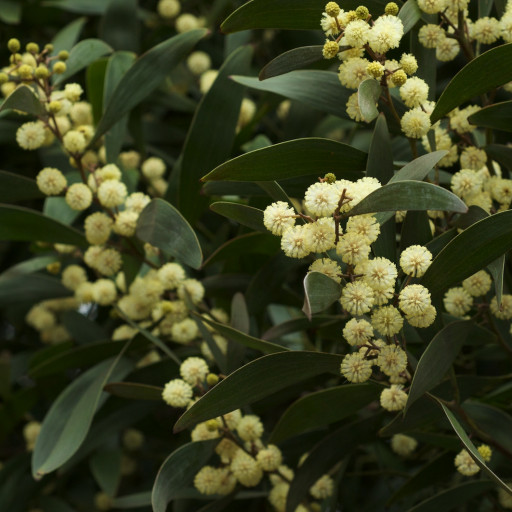
- 🍃 The "False" Leaves: Interestingly, the adult tree doesn't have true leaves. It grows "phyllodes," which are actually flattened leaf stalks that function like leaves. They are leathery, dark green, and shaped like a curved sickle.
- ☁️ Creamy Puffballs: During the blooming season, the tree is covered in pale-cream to soft-lemon flower heads that look like tiny, fuzzy pom-poms.
- 🌀 Curly Seed Pods: The fruit is a reddish-brown pod that twists into spirals or circles. When they pop open, they reveal black seeds hanging by a vibrant, orange-pink fleshy umbilical cord (called an aril).
🏡 In Your Garden
- 🌳 The Long-Term Commitment: This tree grows exceptionally fast but has a very deep taproot. This makes it incredibly sturdy against wind, but it also means it "hates" being moved. Choose its forever home wisely!
- 💧 Adaptable but Thirsty: While it can survive dry spells, it truly thrives in moist, well-drained soil. In home gardens, it is often used as a screen or windbreak, but be wary of planting it too close to pipes or foundations due to its vigorous root system.
⚠️ Safety & Toxicity
- ✅ Low Toxicity: Acacia melanoxylon is generally considered non-toxic to humans, dogs, and cats. It does not carry the same "poison" reputation as some other ornamental garden plants.
- 🤧 Allergy Alert: Like many Acacias, the heavy production of pollen during the spring can be a significant trigger for individuals who suffer from hay fever or asthma.
- 🚫 Invasive Potential: In certain regions outside Australia (such as parts of California, South Africa, and New Zealand), this plant is considered an invasive weed because it spreads so easily. Always check your local environmental guidelines before planting.
✨ Fun Fact
The wood of the Australian Blackwood is a secret superstar in the music industry. Because of its incredible resonance and beautiful "flame" grain, it is one of the most popular tonewoods for crafting high-end acoustic guitars and ukuleles!

Detailed Care Instructions
| Lighting | Full Sun |
| Hardiness Zones | 8B - 11 |
To grow Acacia melanoxylon (Blackwood) plants, follow these steps:
- Seed Selection: Obtain fresh seeds from a reliable source. Ensure the seeds are fully mature and not damaged.
- Seed Treatment: Soak the seeds in hot water for 12-24 hours to break their hard coat and improve germination. Alternatively, make a small notch in the hard seed coat using a file or sandpaper to assist water absorption.
- Soil Preparation: Choose well-draining soil rich in organic matter. Tilling the soil and removing any rocks or debris will help provide a healthy environment for the plant.
- Planting: Sow the treated seeds in shallow trenches or directly into pots, ensuring the soil covers them by about 1-2 cm. If starting indoors, use seedling containers or trays.
- Watering: Keep the soil adequately moist but not waterlogged. Water regularly, especially during the germination phase. Once established, reduce watering frequency but maintain consistent moisture levels.
- Light Requirements: Place the pots or trays in a location that receives full or partial sunlight to promote healthy growth.
- Temperature and Climate: Acacia melanoxylon prefers a temperate climate with mild to warm temperatures. Avoid planting in regions with extreme cold or heat.
- Pruning: Prune the plants when necessary, especially during the early growth stage, to establish a desirable shape and encourage branching.
- Fertilization: Apply a slow-release fertilizer during the growing season to enhance plant growth and vigor. Follow the manufacturer's instructions for application rates.
- Mulching: Apply a layer of organic mulch around the base of the plants, such as woodchips or straw, to suppress weed growth, retain moisture, and provide nutrients.
- Protection from Pests and Diseases: Monitor the plants regularly for any signs of pests or diseases. Consult with a local horticulturist or plant expert for suitable preventive measures or treatments if needed.
- Maintenance: Regularly check for any signs of stress, such as yellowing or wilting leaves, and adjust care accordingly. Provide support if necessary, such as staking or tying, to ensure proper growth.
Remember, growing Acacia melanoxylon from seeds requires patience and consistent care. It may take a few years for the plant to fully mature and showcase its characteristic dark wood and attractive foliage.

Place in a bright room that is sun drenched almost all day. Or directly in a south-facing window.

Acacia melanoxylon is a plant that requires regular and consistent watering, especially during the hot and dry months. When watering this plant, it is important to ensure that the soil around the root zone is moist but not waterlogged. The best way to achieve this is to check the moisture level of the soil using a moisture meter or by inserting your finger about an inch deep into the soil. If the soil feels dry, then it is time to water the plant.
When watering the plant, it is recommended to use a watering can or a garden hose with a gentle spray attachment to avoid damaging the plant roots. Water the plant slowly and evenly, making sure to saturate the entire root zone. Avoid pouring water directly onto the leaves as this can cause damage and increase the risk of fungal disease.
During the winter months, it is important to reduce watering to prevent overwatering and ensure that the soil remains moist but not waterlogged. It is also essential to avoid letting the plant sit in standing water or in overly wet soil, as this can cause root rot and other problems.
Overall, to properly water Acacia melanoxylon, it is necessary to monitor the moisture level of the soil, water the plant slowly and evenly, and avoid overwatering or letting the plant sit in standing water or overly wet soil.
To fertilize this plant, apply a slow-release, balanced fertilizer in early spring when new growth begins. Use a fertilizer with equal amounts of nitrogen, phosphorus, and potassium. Apply the fertilizer according to the manufacturer's instructions, being careful not to over-fertilize. Water the plant well after fertilizing to help the nutrients reach the roots. Repeat the fertilizer application every 6 months during the growing season. Avoid fertilizing during winter when the plant is dormant.
Acacia Melanoxylon plant requires a well-draining soil that is rich in nutrients. The soil should be loamy and slightly acidic with a pH range of 5.5 to 6.5. It should also be moist but not waterlogged, as excess water can cause root rot. Adding organic matter such as compost or well-rotted manure to the soil can help improve its structure and nutrient content. It is important to avoid using heavy clay soils or those with a high sand content, as they can impede root growth and reduce water retention. Additionally, the soil should be free from any contaminants or pollutants that can harm the plant. Regular fertilization and adequate watering are essential for maintaining healthy growth and development of the Acacia Melanoxylon plant.
To propagate this plant, you can take a cutting from a mature tree during the winter months when it is dormant. The cutting should be at least 6 inches in length and should be taken from a branch with a diameter of about 1/2 inch. Remove any leaves or side shoots from the bottom 2 inches of the cutting, then dip the cut end in rooting hormone. Plant the cutting into a pot filled with a well-draining potting mix and keep it in a warm, bright location. Mist the cutting daily and make sure the soil stays moist but not saturated. After a few weeks, check for roots by gently tugging on the cutting. Once roots have formed, transplant the new plant into a larger container or into its permanent location in the ground.








