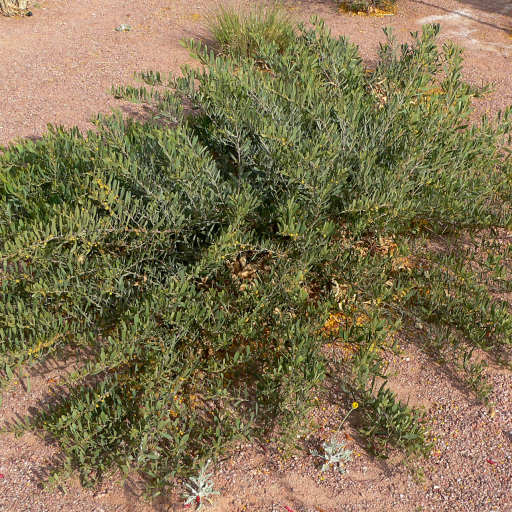
Plant Overview
Commonly known as the "Vanilla Wattle" or "Prostrate Acacia," this Australian native is a champion of the horizontal world. Rather than reaching for the clouds, it creates a thick, lush carpet that smells surprisingly sweet—like a mix of vanilla and spice—especially after a light rain. It is a favorite among landscapers for its ability to turn a dry, brown hillside into a sea of evergreen ripples.
🔍 How to Identify
- 🍂 The "Leaves": It doesn't actually have true leaves; instead, it features "phyllodes." These are leathery, sickle-shaped, and usually a dusty grey-green color, designed to conserve water.
- 🟡 Yellow Puffballs: In late winter and early spring, the plant is covered in tiny, pale-yellow globular flowers that look like miniature fuzzy pom-poms clustered along the stems.
- 🪵 Low-Profile Growth: Unlike most Acacias that grow into trees, this variety stays very low (usually under 2 feet) but can spread out up to 15 feet wide, forming a dense, woven mat.
🏡 In Your Garden
- 🏜️ Drought Warrior: This plant is incredibly tough and salt-tolerant. It thrives in poor, rocky, or sandy soils where other plants might wither, making it the "gold standard" for erosion control on steep banks.
- ☀️ Sun Seeker: It demands full sun to stay dense. If planted in the shade, it becomes "leggy" and sparse, losing that signature carpet-like appearance and revealing bare woody stems.
- ✂️ Space Management: Because it spreads so aggressively, it’s best used in large open areas. Avoid planting it too close to small, delicate flowers, as the Vanilla Wattle will quickly "swallow" them under its canopy.
⚠️ Safety & Toxicity
- 🐾 Pet Friendly: Acacia redolens is generally considered non-toxic to dogs, cats, and horses, making it a safe choice for family gardens and rural properties.
- 🤧 Allergy Alert: Like many wattles, the heavy production of yellow pollen in the spring can be a trigger for humans who suffer from seasonal hay fever or asthma.
✨ Fun Fact
The species name redolens is Latin for "scented" or "fragrant." While many desert plants smell dusty or resinous, this Acacia is famous for smelling exactly like a fresh pod of vanilla when the wind catches it just right.

Detailed Care Instructions
To grow Acacia redolens, also known as prostrate or spreading acacia, follow these steps:
- Choose a suitable location: Acacia redolens prefers full sun exposure and well-drained soil. Select a spot in your garden or landscape that receives at least six hours of direct sunlight daily.
- Prepare the soil: Acacia redolens can adapt to a wide range of soil types, including sandy or loamy soil. However, it is important to ensure good drainage. If the soil in your chosen location doesn't drain well, amend it by adding organic matter such as compost or well-rotted manure.
- Dig a hole: Dig a hole that is slightly larger and deeper than the plant's root ball. Space multiple plants about four to six feet apart to allow for their spreading growth habit.
- Plant the Acacia redolens: Gently remove the plant from its container and place it in the center of the hole. Ensure that the plant is positioned at the same depth it was growing in the nursery pot. Backfill the hole with soil, gently firming it around the plant's roots.
- Water thoroughly: Give the newly planted Acacia redolens a deep watering immediately after planting to settle the soil around the roots. Continue to water regularly during the plant's establishment period, which usually lasts a few months. Once established, the plant requires minimal watering, as it is fairly drought-tolerant.
- Mulch around the plant: Apply a layer of mulch around the base of the Acacia redolens plant. Mulch helps retain moisture, control weeds, and insulate the roots from extreme temperatures. Avoid piling mulch against the stem of the plant, as it can lead to rot.
- Prune as needed: Acacia redolens generally maintains a naturally compact and mounding form, but occasional pruning may be necessary to maintain the desired shape. Prune after the plant has finished flowering or during early spring to stimulate new growth. Remove any dead or diseased branches and trim back overly long or straggly stems.
- Fertilize sparingly: Acacia redolens is not a heavy feeder and can thrive in nutrient-poor soil. However, you may choose to fertilize with a slow-release fertilizer formulated for woody plants in early spring. Follow the instructions on the fertilizer package for proper application rates.
By following these tips, you can successfully grow Acacia redolens and enjoy its beautiful, low-lying foliage in your garden or landscape.
To water this particular plant, it is important to ensure that the soil is evenly moist, but not soggy. Depending on the climate and season, it may need to be watered more frequently. The best way to check if the plant needs water is by sticking your finger about an inch into the soil - if it feels dry, it is time to water. It is also important not to water the plant too much, as this can lead to root rot. Watering deeply but infrequently is often the best method to avoid overwatering.
To fertilize this plant, use a slow-release, balanced fertilizer with equal amounts of nitrogen, phosphorus, and potassium. Apply it once in early spring and again in mid-summer, following the manufacturer's instructions for amounts and application. Water the plant deeply before and after applying the fertilizer to avoid fertilizer burn. Avoid applying too much fertilizer as it can harm the plant.
Acacia Redolens is a plant species that requires well-drained soil that is not too heavy and dense. The soil should be slightly acidic to neutral, with a pH range of 6.0-7.5, and moderately fertile with good organic matter content. A mix of sandy loam or sandy clay loam soil with some organic matter such as compost or aged manure added would be ideal. This mixture will provide good drainage while retaining enough moisture for the plant to thrive. It is important to avoid using soil that is too compact and heavy as it can potentially cause root rot. Additionally, the plant may benefit from occasional applications of a balanced slow-release fertilizer to ensure healthy growth.
To propagate this plant, take a cutting of a healthy stem from an adult plant. It should measure approximately 3 to 6 inches long and have several leaves. Strip the leaves from the bottom one inch of the stem. Dip the cut end of the stem into rooting hormone powder, and then place it in a container filled with moist, well-drained soil. Keep the container in a warm, bright location, and mist the cutting with water every other day. After several weeks, roots should start to form, and new growth should emerge from the top of the stem. Once the new plant is well established, it can be transplanted into a larger container or directly into the garden.








