Plant Overview
The Acacia seyal, famously known as the Red Acacia or the Shittah Tree, is a desert icon with a fiery presence. Its striking, powdery bark looks as though it was dusted with cinnamon, making it a standout feature in arid landscapes. Deeply rooted in history, this tree is widely believed to be the "Shittim wood" mentioned in the Bible, used to construct the Ark of the Covenant.
🔍 How to Identify
- 🎨 The Bark: The most distinct feature is the powdery, ochre-red or greenish-yellow bark that often peels away in thin, papery layers to reveal a fresh surface underneath.
- 🟡 The Flowers: It produces bright yellow, puffball-like flower clusters that bloom in abundance, filling the air with a soft, honey-like fragrance.
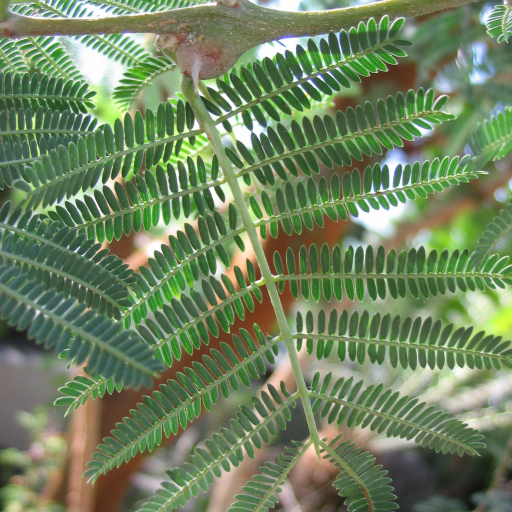
- 🌿 The Foliage: Feathery, delicate green leaves are arranged in a bipinnate pattern, giving the tree a light, airy appearance that provides "filtered" shade.
- ⚔️ The Thorns: Long, straight, ivory-white thorns grow in pairs at the base of the leaves, acting as a natural deterrent against hungry herbivores.
🏡 In Your Garden
- 🏜️ Drought Specialist: This tree is a champion of the Sahel and thrives in hot, dry conditions. It actually prefers "cracking" clay soils and is perfect for xeriscaping or low-water gardens.
- 🧪 Soil Improver: As a legume, it has a symbiotic relationship with soil bacteria to "fix" nitrogen. This means it actually improves the fertility of the soil around it, acting as a natural fertilizer for your other plants.
- 🌬️ Wind Resistance: Because of its deep root system and flexible branches, it serves as an excellent windbreak in open, exposed areas.
⚠️ Safety & Toxicity
- 🌵 Physical Hazard: The primary danger of the Red Acacia is its sharp, rigid thorns. These can easily puncture skin or bicycle tires, so it should be planted away from high-traffic walkways or children’s play areas.
- 🐾 Pet & Human Safety: The tree is generally considered non-toxic to humans and pets. However, the bark and seed pods contain high levels of tannins; if large amounts are ingested, they could cause mild stomach upset.
- 🧤 Handling Tip: Always wear thick leather gloves when pruning or clearing fallen branches to avoid "thorn-prick" irritations.
✨ Fun Fact
The Acacia seyal is sometimes called a "Whistling Tree." In the wild, certain species of ants hollow out the base of the thorns to live inside; when the wind blows across the tiny entry holes, the entire tree creates a low, eerie whistling sound!

Detailed Care Instructions
To grow Acacia Seyal plant, follow these steps:
- Obtain seeds or saplings: You can purchase Acacia Seyal seeds or saplings from a local nursery or online. Make sure to choose a reputable seller.
- Choose the right location: Acacia Seyal plants prefer warm climates and full sunlight. Select a location with well-draining soil that receives at least 6 to 8 hours of direct sunlight every day.
- Prepare the soil: Acacia Seyal plants can tolerate a variety of soils, but they prefer sandy or loamy soil that is well-drained. Add organic matter, such as compost or well-rotted manure, to improve soil fertility.
- Plant the seeds or saplings: If you have seeds, follow the instructions on the packet for optimal planting method and depth. If you have saplings, dig a hole wide and deep enough to accommodate the roots. Place the sapling in the hole, backfill with soil, and gently firm it around the base of the plant.
- Water regularly: Acacia Seyal plants require regular watering, especially during the first few months after planting. Keep the soil moist but not waterlogged. Once the plants are established, they can tolerate mild drought.
- Mulch around the base: Apply a layer of organic mulch, such as straw or wood chips, around the base of the plant. This will help retain moisture, suppress weed growth, and provide insulation to the roots.
- Prune as needed: Acacia Seyal plants generally have a bushy growth habit with multiple stems. You can prune them to maintain a desired shape or remove damaged or diseased branches. Prune during the dormant season to encourage new growth.
- Fertilize sparingly: Acacia Seyal plants do not require heavy fertilization. Applying a balanced, slow-release fertilizer in spring can help promote healthy growth. Follow the instructions on the fertilizer packaging for application rates.
- Protect from pests and diseases: Monitor your plants regularly for signs of pests, such as aphids or scale insects. Treat with organic pest control methods if necessary. Acacia Seyal plants are generally resistant to diseases, but regular inspections can help identify and address any issues promptly.
- Provide support if needed: Acacia Seyal plants have sturdy stems, but if you live in an area prone to strong winds or heavy rainfall, you may need to provide support to prevent them from being uprooted or damaged during severe weather.
Remember that growing plants requires patience and care. Give your Acacia Seyal plant adequate time to grow and establish itself, and provide the necessary care to ensure its health and vitality.
When watering this plant, it is important to consider the specific needs of the species. Acacia Seyal plants prefer to be watered deeply and infrequently, rather than with frequent shallow watering. This means that when it is time to water, you should give the plant a thorough soaking, allowing the water to penetrate deeply into the soil. It is important to avoid over-watering, as this can cause root rot and other issues.
To determine when it is time to water, you can check the soil moisture level by sticking your finger about an inch into the soil. If it feels dry at this depth, it is time to water. Alternatively, you can use a moisture meter to measure the soil moisture level more accurately.
When you water the plant, make sure to water at the base of the plant rather than from above. This will allow the water to reach the roots more effectively. If the plant is growing in a container, allow any excess water to drain away from the pot before returning it to its normal location.
In general, you should aim to water Acacia Seyal plants once every 1-2 weeks, depending on factors such as the season, temperature, and humidity levels. Keep an eye on the plant for signs of thirst, such as drooping leaves or wilting. Adjust your watering schedule as needed based on these cues.
To fertilize Acacia Seyal plant, apply a balanced fertilizer once every month during the growing season (spring and summer). Use a slow-release fertilizer that is high in nitrogen, phosphorus, and potassium. Apply the fertilizer according to the instructions on the package, taking care not to over-fertilize as this can harm the plant. Water the plant immediately after fertilizing to help activate the nutrients in the soil. Avoid fertilizing during the dormant season (fall and winter) as this can stimulate new growth and weaken the plant before the cold weather arrives.
The recommended soil type for the Acacia Seyal plant is well-draining soil with a pH range of 6.0 to 7.5. The soil should be rich in nutrients and organic matter. A mixture of sandy and loamy soil is ideal for this plant. It is also important that the soil is not too heavy and it is aerated to allow the roots to breathe. The plant prefers dry, arid conditions and should not be overwatered. It is important to allow the soil to dry out between waterings to prevent root rot. Adding a layer of mulch around the base of the plant can help maintain moisture levels and suppress weeds. Regular fertilization with a balanced fertilizer can help promote growth and blooming.
Acacia seyal is a plant species that can be propagated through various means, including seeds, cuttings, and grafting.
Propagation by seeds: The seeds of Acacia seyal can be collected when they are fully ripe and dry. They need to be scarified by soaking in boiling water for about one minute or by treating them with sulfuric acid for five to ten minutes. The scarified seeds can then be sown in sterile soil in a seed tray or pot. The pot or tray should be kept in a warm and humid place until the seedlings emerge.
Propagation by cuttings: Acacia seyal can also be propagated through stem cuttings. The cuttings should be taken from new growth in the spring or summer and should be about 6-9 inches long. The bottom of the cutting should be treated with rooting hormone and then planted in a pot. The pot should be kept in a warm and humid place until the cuttings start to root.
Propagation by grafting: Grafting is another way to propagate Acacia seyal. This method involves joining the stem of the Acacia seyal plant with that of a related plant species that has a robust root system. The two plants are joined and then left to fuse together, allowing the Acacia seyal to grow without being hindered by its own root system.
It is important to note that different methods of propagation may have varying success rates and should be chosen accordingly. Additionally, specific steps and requirements may vary depending on the individual plant and environmental conditions.








