Plant Overview
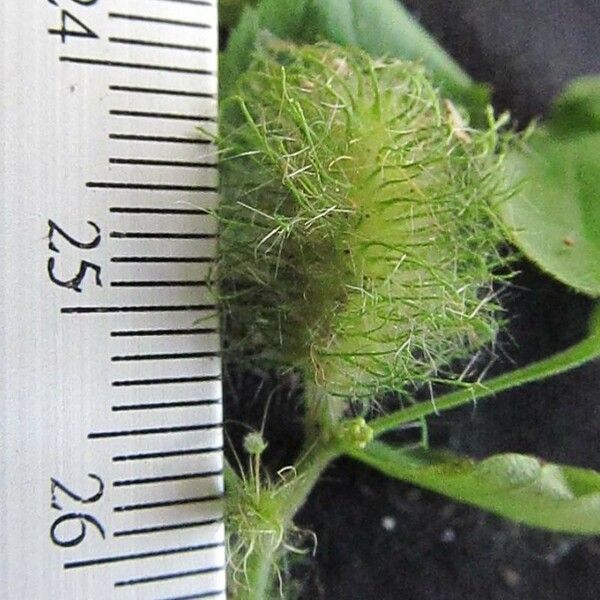
Known colloquially as the Foxtail Copperleaf, this plant is a tropical charmer that looks like it belongs in a Dr. Seuss book. Native to the warm regions of Mexico, Central America, and the Caribbean, it is celebrated for its fuzzy, tail-like flower spikes that dance in the breeze. While it can sometimes be a persistent garden visitor in tropical climates, its unique texture makes it a favorite for those seeking a touch of the exotic.
🔍 How to Identify
- 🦊 The "Fox Tails": The most striking feature is its terminal flower spikes. These are long, fuzzy, and usually reddish-brown or greenish-purple, resembling the bushy tail of a fox.
- 🍃 Heart-Shaped Leaves: The leaves are alternate, broadly ovate (heart-shaped), and feature noticeably serrated or "toothed" edges.
- 🌱 Bushy Stature: It typically grows as a low-spreading herb or small shrub, rarely exceeding 2 feet in height, making it an excellent ground-cover or container plant.
🏡 In Your Garden
- ☁️ Humidity is Key: Coming from tropical lowlands, this plant thrives in high humidity. If grown indoors or in dry climates, it may drop leaves or lose its "fuzz" if the air is too parched.
- ☀️ Light Balancing Act: While it loves the sun, its delicate "tails" can scorched in intense, direct midday heat. It performs best in dappled sunlight or "bright shade," where it can stay cool while still photosynthesizing efficiently.
- 🌱 Self-Seeding Nature: Be mindful that this species is a prolific seeder. In the right conditions, it can spread quickly, so it’s often best kept in pots or controlled garden beds to prevent it from "wandering."
⚠️ Safety & Toxicity
- 🐾 Toxic to Pets: Like many members of the Euphorbiaceae (Spurge) family, this plant is considered toxic to cats, dogs, and horses if ingested. It can cause gastrointestinal distress and drooling.
- 🧤 Skin Sensitivity: The milky sap (latex) inside the stems can cause mild skin irritation or contact dermatitis in sensitive individuals. It is always a good idea to wear gloves when pruning or handling broken stems.
✨ Fun Fact
The genus name Acalypha comes from the ancient Greek word for "nettle." While the Foxtail Copperleaf doesn't have the stinging hairs of a true nettle, its leaf shape is so similar that early botanists couldn't help but make the comparison!

Detailed Care Instructions
To grow Acalypha Alopecuroidea, also known as Foxtail Acalypha, follow these steps:
- Choose a suitable location: Acalypha Alopecuroidea thrives in full sun to partial shade, so select a spot in your garden or a pot that receives at least 4-6 hours of direct sunlight daily. The plant prefers a warm and humid climate.
- Prepare the soil: The soil should be well-draining, loamy, and moderately fertile. Add organic matter like compost or well-rotted manure to improve the soil's fertility and drainage.
- Planting: Dig a hole slightly larger than the root ball of the plant. Place the plant in the hole and backfill with soil, gently firming it around the roots. Make sure the crown of the plant is level with the soil surface.
- Watering: Initially, water regularly to establish the plant. Acalypha Alopecuroidea prefers consistently moist soil, but avoid over-watering, as it can lead to root rot. Allow the top inch of soil to dry out between waterings.
- Fertilization: Apply a balanced, slow-release fertilizer once a month during the growing season (spring to early autumn). Follow the instructions on the fertilizer packaging for proper dosage.
- Pruning: Regular pruning helps maintain the plant's shape and encourages bushier growth. Trim back overgrown or leggy growth to promote new shoots. Prune after the flowering period to avoid cutting off developing flower buds.
- Pests and diseases: Watch out for common pests like aphids, spider mites, and mealybugs. If detected, use organic insecticidal soap or neem oil to control them. Ensure good air circulation to prevent fungal diseases.
- Propagation: Acalypha Alopecuroidea can be propagated from stem cuttings. Take 4-6 inches long stem cuttings from healthy, mature plants and remove the lower leaves. Dip the cut ends in rooting hormone, plant them in moist soil or a rooting medium, and keep them in a warm, humid environment until roots develop.
With proper care and suitable growing conditions, your Acalypha Alopecuroidea plant should grow and thrive, adding beautiful foliage to your garden or indoor space.
To water this particular plant, you will want to check the soil moisture regularly to ensure it does not become too dry. When watering, you will want to water directly at the base of the plant, avoiding getting water on the leaves or stem. This will help prevent potential diseases. Water until the soil becomes moist, but not waterlogged. You may want to adjust the frequency of watering depending on the temperature and humidity in its environment. It is important to give the plant enough water to thrive without causing root rot.
- Choose a balanced fertilizer with equal amounts of nitrogen, phosphorus, and potassium.
- Apply the fertilizer during the active growing season, typically in the spring and summer months.
- Dilute the fertilizer according to the manufacturer's instructions.
- Water the plant thoroughly before and after fertilizing to prevent root burn.
- Apply the diluted fertilizer directly to the soil around the plant's base.
- Avoid getting fertilizer on the leaves or stem of the plant, as this can lead to burn or damage.
- Monitor the plant for any signs of over-fertilization, such as yellowing or wilting leaves.
- Adjust the frequency and amount of fertilizing as needed to promote healthy growth.
Acalypha Alopecuroidea plant requires well-draining soil that is rich in organic matter. The ideal soil pH for this plant is between 5.5 and 7.0. It is best to use a potting mix that is formulated for tropical plants, as this will provide the necessary nutrients and drainage. The mix should contain a combination of peat moss, perlite, and vermiculite. Avoid using heavy, clay soils that do not drain well as they can lead to root rot. Additionally, regular fertilization is recommended to provide the plant with the necessary nutrients.
To propagate this plant, you first need to select a healthy and mature stem or branch. Take a cutting that is approximately 4-6 inches long, making sure to clip it just below a node. Remove the leaves from the bottom 2 inches of the stem. Dip the cut end of the stem into rooting hormone and plant it in a well-draining soil mix. Water the cutting thoroughly and cover it with a plastic bag to create a humid environment. Place the cutting in a bright, indirect light location and mist the leaves regularly to keep them moist. After several weeks, new growth should appear, indicating that the cutting has successfully rooted. Once the plant has grown several leaves, it can be transplanted into its permanent pot or location.








