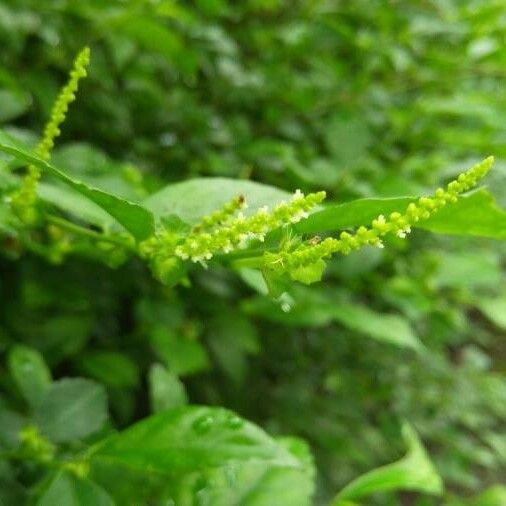
Plant Overview
Commonly known as Wild Tea or Siamese Acalypha, this versatile evergreen shrub is the unsung hero of Southeast Asian gardens. While it shares a name with the tea we drink, this plant is prized for its architectural beauty rather than its leaves in a cup. Often used to create living "walls" or intricate topiary, it has a legendary reputation for being nearly indestructible once established.
🔍 How to Identify
- 🍃 Serrated Foliage: The most striking feature is the small, diamond-shaped leaves with distinct "toothed" or serrated edges that look like tiny green saws.
- 🌳 Dense Branching: It naturally grows in a very tight, twiggy fashion, creating a thick mass of greenery that is difficult to see through.
- 🌾 Subtle Flowers: It produces very small, inconspicuous greenish flower spikes that hide among the leaf axils, usually appearing during the warmer months.
🏡 In Your Garden
- ✂️ The Pruning Pro: This plant thrives on being clipped. It is one of the best species for "shaping" because it bounces back quickly from heavy pruning, making it a favorite for bonsai enthusiasts and formal hedge lovers.
- 💧 Drought Resistance: Once its root system is established, it is remarkably hardy. It prefers well-draining soil and can handle "forgetful gardeners" much better than many of its tropical cousins.
⚠️ Safety & Toxicity
- 🐾 Mildly Toxic: Like many members of the Euphorbiaceae family, the Siamese Acalypha contains compounds that can cause mild stomach upset if leaves are ingested by pets or small children.
- 🧴 Sap Sensitivity: The clear or slightly milky sap can be a skin irritant for some people. If you are doing heavy pruning or shaping, wearing gardening gloves is highly recommended to avoid itchy rashes.
✨ Fun Fact
In Thailand and Malaysia, Acalypha siamensis is the "Goldilocks" of the bonsai world—it is considered the perfect "starter" plant for beginners because its small leaves and rugged trunk make it look like an ancient tree even when it is only a few years old!

Detailed Care Instructions
To grow Acalypha siamensis, follow these steps:
- Choosing the right location: Acalypha siamensis thrives in full sun to partial shade. Select a location with well-draining soil that receives at least 6 hours of sunlight per day.
- Preparing the soil: Prepare the soil by mixing organic matter, such as compost or aged manure, to improve drainage and provide nutrients. Acalypha siamensis prefers slightly acidic to neutral soil (pH 6-7).
- Planting: Dig a hole slightly larger than the root ball of the plant. Place the plant in the hole, making sure the crown of the plant is level with or slightly above the soil surface. Backfill the hole with soil, gently firming it around the plant.
- Watering: After planting, water the plant thoroughly to settle the soil and help the roots establish. Acalypha siamensis prefers moist soil but avoid overwatering, as it can lead to root rot. Water the plant deeply once or twice a week or as needed, depending on the weather conditions.
- Mulching: Apply a layer of organic mulch, such as wood chips or straw, around the base of the plant to suppress weed growth, conserve moisture, and regulate soil temperature.
- Fertilizing: Feed the plant with a balanced slow-release fertilizer or a liquid fertilizer once a month during the growing season (spring and summer). Follow the package instructions for the appropriate dosage.
- Pruning: Acalypha siamensis can be pruned to maintain its shape, promote branching, and encourage new growth. Prune in early spring before new growth emerges or as needed throughout the growing season.
- Pest and disease control: Monitor the plant for any signs of pests, such as aphids or spider mites, and use appropriate organic insecticides or insecticidal soaps if necessary. Additionally, avoid overwatering to prevent root rot.
- Propagation: Acalypha siamensis can be propagated from cuttings or seeds. To propagate from cuttings, take a 3-6 inch cutting from a healthy stem, remove the lower leaves, and plant it in a well-draining potting mixture. Keep the soil consistently moist until roots develop.
By following these guidelines, you can successfully grow Acalypha siamensis and enjoy its unique foliage.
To water this plant, it's important to ensure that the soil is dry to the touch before watering. When watering, it's best to water the soil directly rather than watering the leaves. It's also important to avoid over-watering and to allow excess water to drain away from the container. It's recommended to water the plant deeply once a week during hot and dry weather, and reduce watering frequency during cooler seasons. Additionally, it's important to use room temperature water when watering, as cold water can shock the plant and cause leaf drop.
To fertilize this plant, use a balanced liquid fertilizer diluted to half strength and apply it once a month during the growing season. Be careful not to over-fertilize, as it can lead to burnt or crispy leaves. Additionally, make sure the soil is moist before fertilizing to avoid damaging the roots.
When it comes to selecting the appropriate soil for the Acalypha Siamensis plant, it is essential to choose a well-draining and nutrient-rich blend. The ideal soil composition should include a mix of organic garden soil, sand, and peat moss. Avoid using clay soils as they tend to hold onto too much moisture, leading to root rot and other fungal diseases. Furthermore, ensure that the soil is slightly acidic with a pH ranging from 5.5 to 6.5. This will promote healthy growth and flowering for the plant. Before planting, amend the soil with a slow-release fertilizer to provide an extra boost of nutrients. Regularly monitor the moisture levels, and water the plant when the top inch of the soil feels dry to the touch. With the right soil conditions, the Acalypha Siamensis plant can thrive and add a beautiful touch of foliage to any indoor or outdoor space.
Acalypha Siamensis can be propagated through stem cuttings. Start by selecting a healthy stem that has several leaves. Cut the stem approximately 4-6 inches long, just below a leaf node. Remove the leaves from the bottom of the stem, leaving only a few at the top. Dip the cut end of the stem in rooting hormone powder, if desired.
Next, prepare a pot by filling it with a well-draining soil mixture. Poke a hole in the soil with your finger or a pencil and gently insert the cutting into the hole. Firmly press the soil around the stem to hold it in place.
Water the cutting thoroughly and cover the pot with a clear plastic bag or a clear plastic container to create a humid environment. Place the pot in a warm, bright location, but out of direct sunlight. Mist the cutting with water occasionally to keep it moist.
After a few weeks, check for roots by gently tugging on the stem. If there is resistance, roots have formed and the cutting has successfully propagated. Remove the plastic covering and gradually expose the new plant to more sunlight and less humidity. Transplant the new plant to a larger pot or into the ground once it has outgrown its container.








