Plant Overview
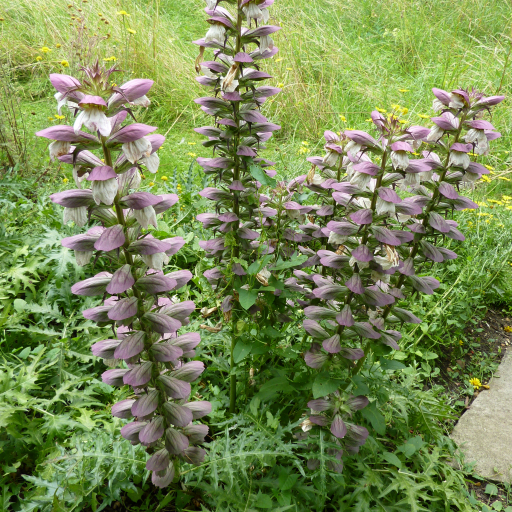
Often called the Spiny Bear's Breech, Acanthus spinosus is a living piece of architectural history. If you've ever admired the intricate carvings atop a classic Greek Corinthian column, you've seen the stylized foliage of this Mediterranean native. It is a bold, dramatic perennial that adds a sense of ancient elegance and sharp, structural beauty to any landscape.
🔍 How to Identify
- 🍃 The Foliage: Deeply cut, glossy dark green leaves that look like oversized, artistic thistle foliage. Each leaf lobe ends in a sharp, rigid spine.
- 🏰 The Architecture: Strikingly tall, rigid flower spikes that can reach up to 4 feet in height, standing high above the mound of leaves.
- 🎨 The Blooms: Unique, two-toned flowers featuring white petals tucked under hood-like, purplish-maroon bracts that bloom from late spring through mid-summer.
🏡 In Your Garden
- ⚓ The "Forever" Plant: This species develops a massive, deep taproot system. Because of this, it is notoriously difficult to move once established. Even a small piece of root left in the soil can regenerate into a new plant, so choose its location with long-term intent.
- ☀️ Mediterranean Soul: It thrives in well-drained soil and is exceptionally drought-tolerant once its roots are down. While it loves the sun, in very hot regions, it appreciates "dappled shade" during the peak of the afternoon to prevent its architectural leaves from wilting.
⚠️ Safety & Toxicity
- 🛡️ Physical Warning: While the plant is generally considered non-toxic to humans and pets if ingested, its physical defenses are formidable.
- 🧤 Sharp Spines: The leaf tips and flower spikes are incredibly sharp. They can easily puncture skin or irritate curious pets. Always wear heavy-duty gardening gloves when pruning or cleaning up old foliage.
✨ Fun Fact
According to legend, the Greek architect Callimachus was inspired to create the Corinthian column capital in the 5th century BCE after seeing a funeral basket overgrown by an Acanthus plant on a young girl's grave. The "Acanthus leaf" remains one of the most common motifs in Western architecture to this day!

Detailed Care Instructions
| Humidity | Normal |
| Lighting | Full Sun |
| Difficulty | Easy |
| Hibernation | Cold Period |
| Hardiness Zones | 6 - 10 |
To grow Acanthus Spinosus plants, you can follow these steps:
- Choose a suitable location: Acanthus Spinosus plants prefer full sun to partial shade. They also prefer well-draining soil with a pH level of 6.5 to 7.5. Select a location in your garden that meets these requirements.
- Prepare the soil: Before planting, prepare the soil by removing weeds, rocks, and debris. Loosen the soil and amend it with organic matter, such as compost, to improve its fertility and drainage.
- Planting: Dig a hole that is slightly larger than the rootball of the Acanthus Spinosus plant. Place the plant in the hole, making sure the top of the rootball is level with the soil surface. Backfill the hole with soil and gently firm it around the plant.
- Watering: After planting, thoroughly water the Acanthus Spinosus plant to settle the soil. Subsequently, water regularly to keep the soil evenly moist, especially during dry periods. However, avoid overwatering, as it can lead to root rot.
- Mulching: Apply a layer of organic mulch, such as wood chips or straw, around the base of the plant. Mulching helps to conserve moisture, suppress weeds, and regulate soil temperature.
- Pruning: In late winter or early spring, before new growth begins, prune any damaged or dead leaves and stems. This promotes a healthier plant and allows for fresh growth.
- Fertilization: Acanthus Spinosus plants do not require heavy fertilization. However, you can apply a balanced, slow-release fertilizer in early spring to provide the necessary nutrients.
- Support: Acanthus Spinosus plants tend to have tall flower spikes that may require support, especially in windy areas. You can use stakes or cages to support the plant and prevent it from bending or breaking.
- Pests and diseases: Acanthus Spinosus plants are generally resistant to pests and diseases. However, they can occasionally suffer from aphids, snails, or slugs. Monitor your plants regularly and take appropriate measures if any infestation is detected.
- Propagation: You can propagate Acanthus Spinosus plants by division. In early spring or early fall, carefully dig up the plant and divide it into smaller sections with roots attached. Replant the divisions in prepared soil and water thoroughly.
By following these steps, you can successfully grow Acanthus Spinosus plants in your garden. Remember to provide regular care, including watering, pruning, and fertilization, to ensure the plant's health and vigor.

Place in a bright room that is sun drenched almost all day. Or directly in a south-facing window.

To water the plant scientifically known as Acanthus Spinosus, you should first check the moisture level of the soil. Stick a finger about 2 inches into the soil to see if it is dry or moist. If it is dry, it is time to water. However, the plant prefers well-draining soil, so make sure not to over-water it and let the soil dry out partially between waterings. Use a watering can or a hose with a gentle flow to water the plant at its base, avoiding getting the leaves wet. Water the plant deeply, allowing the water to reach the roots, and stop when you see water starting to run off. Ensure there are proper drainage holes in the pot or the ground before watering. The frequency of watering may also vary depending on the climate, humidity, and soil type, so observe the plant and adjust your watering schedule accordingly.
For optimal growth and health, apply a balanced fertilizer to the soil surrounding the plant during the growing season. Use a slow-release granular fertilizer or a liquid fertilizer diluted according to the manufacturer's instructions. Start fertilizing in early spring and continue every 4-6 weeks until the end of summer. Water the fertilized soil thoroughly after application. Avoid fertilizing during the plant's dormant season.
A suitable soil for growing Acanthus Spinosus should be well-draining and rich in organic matter. The soil should be a balanced mixture of sand, loam, and clay to provide both aeration and moisture retention. A pH level of 6 to 7.5 is ideal for the plant to thrive. The soil should also have good fertility as Acanthus Spinosus requires a lot of nutrients to grow well. It is recommended to add compost or organic fertilizer to the soil before planting. The plant prefers a moderate amount of moisture and does not tolerate waterlogging, so the soil should be checked regularly to ensure it is not too dry or too wet.
Acanthus Spinosus is a plant propagated by division. The first step is to choose a mature plant that has grown for at least two to three years. Digging up the plant and removing the soil by gently shaking the roots. Then, divide the plant by cutting it into several sections with a sharp, sterile knife. Each section should have its own set of roots.
Next, prepare soil and the pot in which the new plants will be planted. Choose a container that is deep enough for the plant's roots. Plant each section in the prepared soil and water thoroughly.
Place the pot in a well-lit area that receives indirect sunlight. Provide enough water to keep the soil moist but not wet. The new plants will take root within a few weeks and should be watered sparingly thereafter.
After the new plants have grown to about six inches in height, they can be transplanted into their permanent location outdoors. Choose a spot that gets plenty of sunlight and has well-draining soil. Dig a hole that is deep enough to accommodate the roots and plant the new Acanthus Spinosus plant. Water thoroughly, and continue to water regularly as the plant establishes itself in its new location.








