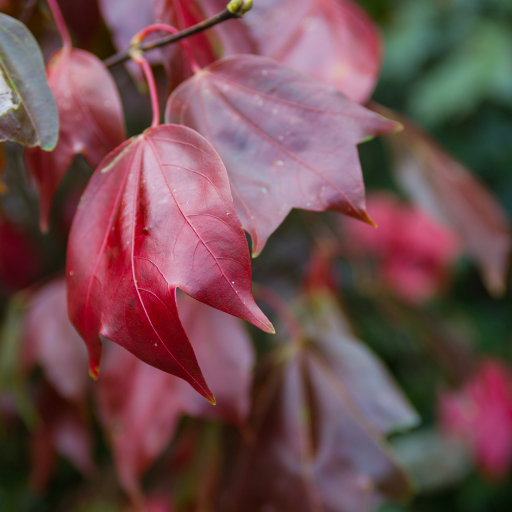
Plant Overview
Known as the Three-Toothed Maple, this rare species hails from the subtropical forests of Southeast Asia, particularly Vietnam and Thailand. Unlike the common maples found in suburban neighborhoods, Acer calcaratum is a hidden treasure for collectors, prized for its delicate, trident-shaped leaves and elegant, airy canopy. It offers a sophisticated touch of wild mountain beauty to any temperate or subtropical landscape.
🔍 How to Identify
- 🍃 Trident Leaves: The foliage is the standout feature, consisting of three prominent lobes with distinctively pointed, "toothed" tips that give the tree its scientific name.
- 🍂 Seasonal Color: While it remains a lush green through the growing season, it transforms into a brilliant palette of warm oranges and fiery reds as the weather cools in autumn.
- 🚁 Winged Samaras: Like its cousins, it produces "helicopter" seeds (samaras) that appear in pairs, often hanging in clusters that dry to a papery brown.
🏡 In Your Garden
- ⛅ The Understory Secret: This maple is an understory tree by nature, meaning it craves humidity and dappled light. It thrives best when tucked into a spot that receives morning sun but stays shielded from harsh, scorching afternoon heat.
- 💧 Drainage is Key: It is highly sensitive to "wet feet." While it loves consistent moisture to mimic its native forest floor, it requires loose, well-draining soil to prevent root rot. If your soil is heavy clay, consider planting it in a raised bed.
⚠️ Safety & Toxicity
- ✅ Generally Safe: Acer calcaratum is considered non-toxic to humans and is safe to handle during routine pruning or gardening.
- 🐾 Pet Safety: While maples are generally not known to be toxic to cats or dogs, it is always best to discourage pets from chewing on the wood or foliage, as ingesting large amounts of fiber can cause mild digestive upset.
✨ Fun Fact
- 🏺 A Collector's Grail: Because it is native to specific high-altitude regions in Southeast Asia, Acer calcaratum is incredibly rare in the nursery trade. Seeing one in a private garden is a sign of a truly dedicated "maple-phile" or rare plant collector!

Detailed Care Instructions
To successfully grow Acer Calcaratum, also known as Hornbeam Maple, follow these steps:
- Choose a suitable planting location: Acer Calcaratum prefers a location with well-draining soil and partial shade. It can tolerate full sun, but may benefit from some shade in hot climates.
- Prepare the soil: Amend the soil with organic matter, such as compost or peat moss, to improve drainage and fertility.
- Plant the tree: Dig a hole that is slightly larger than the root ball of the tree. Place the tree in the hole, making sure the top of the root ball is level with the surrounding soil. Backfill the hole with soil and water thoroughly.
- Water regularly: Acer Calcaratum requires regular watering, especially during hot and dry weather. Keep the soil consistently moist, but not waterlogged.
- Mulch: Apply a layer of mulch around the base of the tree to help retain moisture, suppress weeds, and regulate soil temperature.
- Fertilize: Feed the tree with a balanced fertilizer in the spring to promote healthy growth.
- Prune as needed: Acer Calcaratum may benefit from occasional pruning to remove dead or damaged branches, improve air circulation, and shape the tree.
- Monitor for pests and diseases: Keep an eye out for common pests and diseases that may affect Acer Calcaratum, such as aphids, scale insects, and powdery mildew. Treat any issues promptly.
By following these steps, you can successfully grow Acer Calcaratum and enjoy its beautiful foliage and unique bark.
Acer calcaratum is a plant that requires consistent watering to thrive. When watering this plant, it is important to ensure that the soil is kept consistently moist, but not waterlogged. It is best to water the plant deeply, allowing the water to penetrate the roots, rather than watering lightly and frequently.
To water Acer calcaratum, it is recommended to check the soil moisture level regularly by inserting your finger into the soil. If the top inch of soil feels dry to the touch, it is time to water the plant. Watering in the morning is generally best, as it allows the plant to uptake moisture throughout the day.
When watering, it is important to water at the base of the plant, avoiding getting the foliage wet as this can promote disease. Additionally, using room temperature water is ideal, as cold water can shock the roots. Adjust your watering schedule based on the plant's needs, taking into account factors such as temperature, humidity, and light levels.
To fertilize Acer Calcaratum plants, apply a balanced, slow-release fertilizer in the early spring before new growth emerges. Make sure to follow the manufacturer's instructions for application rates and methods. Water the plant thoroughly after fertilizing to help the nutrients penetrate the soil and reach the roots. Repeat the fertilizer application annually in the spring to promote healthy growth and vibrant foliage. Avoid over-fertilizing, as this can lead to nutrient imbalances and harm the plant.
A suitable soil for Acer calcaratum plants should be well-draining, rich in organic matter, and slightly acidic to neutral in pH. A combination of loam, peat moss, and perlite or sand can provide a good balance of moisture retention and aeration for the roots. Adding compost or aged manure can help improve soil fertility and provide essential nutrients for healthy plant growth. It is important to avoid heavy clay soils or those that are constantly waterlogged, as this can lead to root rot and other issues. Overall, a well-draining, nutrient-rich soil mix will help promote strong, vigorous growth and ensure the overall health of the Acer calcaratum plant.
Acer calcaratum can be propagated through a few different methods, including by seeds and by cuttings.
To propagate via seeds, collect ripe seeds from the mature parent plant in the fall. Clean the seeds and sow them in a well-draining potting mix in the spring. Keep the soil consistently moist and place the pot in a warm, bright location. Germination can take several weeks to several months.
To propagate via cuttings, take a 4-6 inch cutting from a healthy, mature parent plant in the spring or early summer. Remove the lower leaves and dip the cut end in rooting hormone. Plant the cutting in a well-draining potting mix and keep the soil consistently moist. Place the pot in a warm, bright location and mist the cutting regularly to maintain humidity. Roots should start to develop in a few weeks to a few months.
Whichever method you choose, it's important to provide the young plants with proper care and attention as they establish themselves. Transplant them into larger pots as they grow and develop strong root systems before planting them in their permanent outdoor location. With proper care, Acer calcaratum can thrive and grow into beautiful, mature trees.








