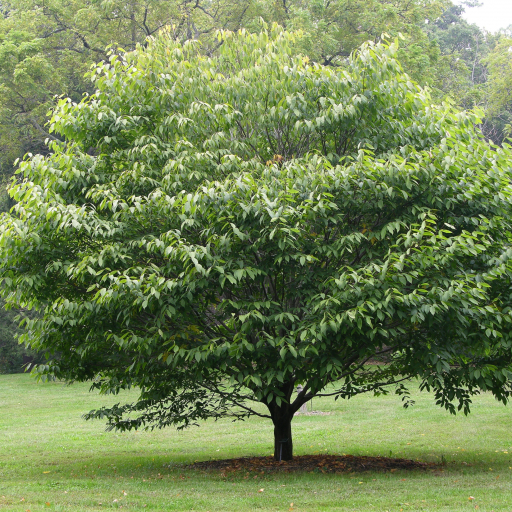
Plant Overview
Often called the Hornbeam Maple, this Japanese native is a botanical master of disguise. While most maples flaunt distinctively lobed "hand-shaped" leaves, this species looks so much like a Hornbeam tree (Carpinus) that even experts have to look twice. It is a slow-growing, elegant addition to woodland gardens, prized for its structural beauty and its brilliant golden-yellow autumn transformation.
🔍 How to Identify
- 🍃 Leaf Mimicry: The leaves are long, slender, and deeply veined with sharply serrated edges. They lack the lobes typical of other maples, appearing more like a pleated feather.
- 🌳 Growth Habit: It typically forms a small, multi-stemmed tree or a large, vase-shaped shrub with smooth, greyish-brown bark.
- 🚁 The "Helicopters": The only dead giveaway of its true identity is the presence of samaras—those iconic winged seeds that spin like tiny helicopters when they fall in late summer.
🏡 In Your Garden
- 🌤️ Dappled Shade: This tree is a natural "understory" resident. Because its leaves are quite thin, it needs protection from the harsh afternoon sun, which can cause the leaf edges to "scorch" or turn brown and crispy.
- 💧 Moisture Consistency: It has a relatively shallow root system and does not handle drought well. It prefers cool, acidic, and well-drained soil that never fully dries out. Mulching around the base is essential to keep the roots cool.
⚠️ Safety & Toxicity
- ✅ Non-Toxic: The Hornbeam Maple is generally considered safe and non-toxic for humans, cats, and dogs.
- 🐜 Resilient Nature: Unlike many Japanese Maple cultivars, this species is remarkably hardy against many common pests and diseases, making it a "set-it-and-forget-it" choice for patient gardeners.
✨ Fun Fact
Its scientific name, carpinifolium, literally translates to "leaves like a Hornbeam." It is one of the most primitive members of the Maple family, and fossil records suggest it hasn't changed its "disguise" in millions of years!

Detailed Care Instructions
| Color | Yellow/Green |
| Soil Ph | Tolerates A Variety |
| Soil Type | Tolerates A Variety, But Should Be Well-Drained |
| Bloom Time | May |
| Plant Type | Deciduous Tree |
| Mature Size | Up To 15 Meters |
| Native Area | Japan |
| Sun Exposure | Full Sun/Partial Shade |
| Hardiness Zones | 4 To 7 |
To successfully grow Acer Carpinifolium, also known as Hornbeam maple, you can follow these steps:
- Select an appropriate location: Choose a spot in your garden that receives partial shade to full sun. Acer Carpinifolium can tolerate a wide range of soil types but prefers moist, well-draining soil.
- Planting: Dig a hole that is slightly larger and wider than the plant's root ball. Gently remove the plant from its container and place it in the hole, making sure it is at the same level as the surrounding soil. Backfill the hole with soil, gently firming it around the roots. Water thoroughly.
- Watering: Keep the soil consistently moist, especially during the first year of growth. Provide regular watering during dry periods, but avoid overwatering to prevent root rot.
- Mulching: Apply a layer of organic mulch around the base of the tree, leaving a few inches of space around the trunk. Mulch helps to retain moisture, suppress weeds, and regulate soil temperature.
- Pruning: Acer Carpinifolium generally requires minimal pruning. Remove any dead, damaged, or crossing branches to maintain a healthy shape. Prune during the dormant season to minimize stress on the tree.
- Fertilizing: Apply a balanced, slow-release fertilizer in early spring. Follow the manufacturer's instructions for the appropriate dosage. Avoid excessive fertilization, as it can promote excessive foliage growth at the expense of the tree's overall health.
- Pest and disease management: Acer Carpinifolium is relatively pest and disease-resistant. However, you should regularly inspect the plant for any signs of pests or diseases, such as aphids or powdery mildew. Treat any issues promptly using organic or appropriate chemical solutions.
- Winter care: Acer Carpinifolium is hardy to USDA zones 5-7. If you are in a colder climate, provide winter protection by mulching heavily around the base of the tree and wrapping the trunk with burlap to shield it from cold winds and temperature fluctuations.
Remember to research and understand the specific needs of Acer Carpinifolium to ensure successful growth and development.

Place in a bright room that is sun drenched almost all day. Or directly in a south-facing window.

To water this plant, you should first ensure that it is planted in a well-draining soil mix. Before watering, check the moisture level of the soil by inserting your finger into the top inch of soil. If it feels dry to the touch, it is time to water. When watering, pour water slowly and evenly onto the soil until water begins to drain out of the drainage holes at the bottom of the pot or planting area. Do not allow the plant to sit in standing water as this can lead to root rot. Allow the top inch of soil to dry out slightly before watering again. In general, this plant prefers consistently moist soil but cannot tolerate soggy conditions. Adjust your watering schedule accordingly based on the environment and climate you are growing this plant in.
To fertilize this plant, apply a balanced slow-release fertilizer with an N-P-K ratio of 10-10-10 in early spring and again in late summer. Use a fertilizer that includes micronutrients such as iron, manganese, and zinc to ensure healthy growth. Apply the fertilizer evenly around the base of the plant, avoiding direct contact with the stem or foliage. Water the plant well after fertilizing to help distribute the nutrients evenly.
The Acer Carpinifolium plant prefers well-drained, fertile soil that is slightly acidic in nature. It also grows well in loamy soil that is rich in organic matter and has a pH between 5.5 and 7.0. It is best to avoid clayey and sandy soils as they do not provide the ideal growing conditions for this plant. The soil should be kept moist, but not waterlogged, and should never be allowed to dry out completely. Adding compost or well-rotted manure to the soil can be beneficial in providing the necessary nutrients for optimal growth. It is important to test the soil pH periodically and make adjustments as needed to ensure a healthy growing environment for this plant.
To propagate this plant, you will need to take stem cuttings from a mature plant during the growing season, which is typically in spring or summer. Using a sharp, clean pair of pruning shears or scissors, make a clean cut just below a node on a healthy stem. The stem should be at least four inches long and have several leaves attached.
Remove the lower leaves from the stem, leaving only a few at the top. This will allow the plant to focus its energy on producing new roots instead of supporting many leaves. If the remaining leaves are particularly large, you can trim them to reduce water loss.
Dip the cut end of the stem into rooting hormone powder and shake off any excess. This hormone helps to stimulate root growth and increase the chances of successful propagation.
Prepare a small container with a well-draining soil mix. You can use a potting soil designed for succulents or create your own mix by combining equal parts of perlite, sand, and sterile potting soil. Make a small hole in the soil with a pencil and gently insert the stem into the hole, making sure that the soil comes into contact with the hormone-treated end.
Water the cutting gently but thoroughly, and cover the container with a clear plastic bag to help retain moisture. Place the container in a warm, bright location but out of direct sunlight. Avoid placing the cutting in full sun as this can cause it to wilt or scorch.
Check the cutting regularly for signs of growth and keep the soil moist but not waterlogged. Depending on the conditions, you should start to see roots form in a few weeks to a few months. Once the roots are well-established, you can transplant the new plant into a larger container or outside in the garden.








