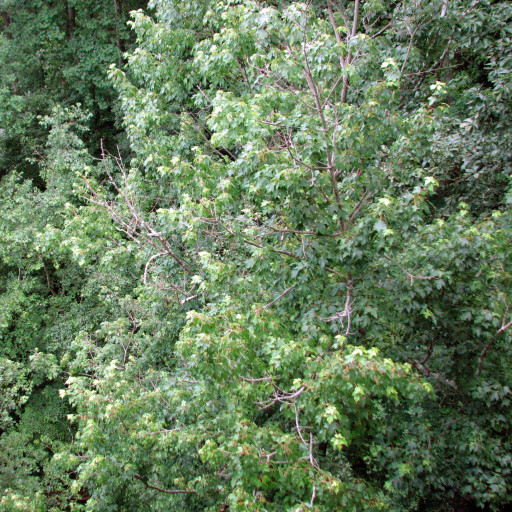
Plant Overview
The Acer rubrum, widely known as the Red Maple or "Swamp Maple," is one of North America’s most beloved and versatile trees. It earns its name by showing off the color red in every season—from its crimson spring buds and red-stalked leaves in summer to its world-famous scarlet autumn canopy. In folklore, a vibrant Red Maple was often seen as a herald of a successful harvest season.
🔍 How to Identify
- 🍁 Leaf Shape: Look for three to five distinct triangular lobes with jagged, "toothed" edges. The "notches" between the lobes are V-shaped, unlike the U-shaped notches of its cousin, the Sugar Maple.
- 🍎 Twigs and Buds: Even in winter, you can spot this tree by its blunt, reddish twigs and clusters of small, round red flower buds waiting for spring.
- 🚁 The "Helicopters": It produces paired, winged seeds called samaras that often have a reddish tint and spin like tiny propellers as they fall to the ground.
🏡 In Your Garden
- 💧 Thirsty Roots: True to its nickname "Swamp Maple," this tree loves moisture and can handle "wet feet" better than most. If your yard has a low spot where water collects, this is the perfect resident.
- 🏗️ Shallow Surface Roots: Be mindful of where you plant! Red Maples have shallow root systems that can eventually crack nearby sidewalks or make mowing the grass around them a bit of a bumpy ride.
- ☀️ Sun Seeker: While it can tolerate some shade when young, it needs full sun to develop that signature, breathtaking autumn color that neighbors will envy.
⚠️ Safety & Toxicity
- 🐾 Pet Friendly: The Red Maple is generally non-toxic to common household pets like dogs and cats, making it a safe choice for backyard shade.
- 🐴 Equine Warning: Extreme Caution for Horse Owners. Wilted or dried leaves of the Red Maple are highly toxic to horses, causing a breakdown of red blood cells. Ensure pastures are clear of these trees.
✨ Fun Fact
While the Sugar Maple is the "king" of pancakes, the Red Maple can also be tapped for syrup! The sap has a lower sugar content, meaning you need to boil twice as much to get the same result, but the flavor is just as sweet and earthy.

Detailed Care Instructions
| Color | Red |
| Soil Ph | 4.5 To 6.5 |
| Humidity | Normal |
| Lighting | Full Sun |
| Toxicity | Poisonous |
| Soil Type | Adaptable; Sandy To Clay |
| Bloom Time | Spring |
| Difficulty | Easy |
| Plant Type | Deciduous Tree |
| Hibernation | Cold Period |
| Mature Size | 40 To 70 Feet Tall (Occasionally Taller) With A Spread Of 30 To 50 Feet |
| Native Area | Eastern American Deciduous Forest |
| Sun Exposure | Full To Partial Sun |
| Hardiness Zones | 3 To 9 |
To grow an Acer Rubrum plant, also known as a Red Maple, you can follow these steps:
- Choose a suitable location: Red maples prefer full sun to partial shade. Choose a spot in your garden that receives at least 6-8 hours of direct sunlight a day.
- Prepare the soil: The plant prefers well-draining soil with a slightly acidic to neutral pH level. Till the soil to a depth of about 12 inches and incorporate organic matter such as compost or well-rotted manure. This helps improve soil fertility and drainage.
- Select a healthy plant: Purchase a young Acer Rubrum plant from a reputable nursery or garden center. Look for a plant with healthy foliage and a strong root system. Spring is usually the best time to buy and plant young maples.
- Dig a suitable hole: Dig a hole that is twice as wide and just as deep as the plant's root ball. Place the plant in the hole, ensuring that the top of the root ball is level with the ground surface.
- Backfill the hole: Gently backfill the hole with the soil you removed, firming it gently around the roots to eliminate air pockets. Water the newly planted tree thoroughly.
- Mulch the area: Spread a layer of organic mulch around the base of the plant, but keep it away from the trunk. This helps retain moisture, suppress weed growth, and insulate the roots.
- Watering: Water the tree regularly, especially during the first year after planting. Red maples need consistent moisture, so water deeply when the top inch of soil feels dry.
- Pruning: Prune any damaged or diseased branches and shape the tree during its dormant season (late fall to early spring). Avoid heavy pruning in summer, as this can lead to excessive bleeding.
- Fertilization: Red maples generally do not require frequent fertilization. However, you can apply a slow-release, balanced fertilizer in early spring to promote healthy growth.
- Pest and disease control: Monitor the tree for any pest or disease issues, such as aphids, scale insects, or leaf spot diseases. Address these problems promptly using environmentally-friendly methods or consult a professional arborist if needed.
Remember to consult local gardening resources and consider specific climate conditions in your area for optimal care of your Acer Rubrum plant.

Place in a bright room that is sun drenched almost all day. Or directly in a south-facing window.

To properly water this plant, it is important to provide it with enough moisture without over-saturating the soil. This can be achieved by watering deeply once or twice a week, allowing the soil to partially dry out between waterings. When watering, aim to moisten the soil to a depth of at least six inches, but be careful not to allow water to pool on the surface. Water should be applied directly to the soil rather than the leaves or branches. Additionally, it is important to ensure that the plant is placed in soil with good drainage, as excess moisture can lead to root rot.
To fertilize this plant, you should use a slow-release, balanced fertilizer in the early spring. Apply the fertilizer evenly around the base of the plant, following the recommended dosage on the package. Be sure to water the plant thoroughly after fertilizing, to ensure the nutrients are absorbed by the roots. Avoid fertilizing the plant in the fall, as this can encourage new growth that will be more susceptible to winter damage.
For Acer Rubrum, a soil mix rich in organic matter is preferable. The soil should be well-draining, as this plant does not thrive in water-logged conditions. A pH between 5.5-6.5 is also ideal. Additionally, the soil should be able to retain moisture, as Acer Rubrum does not tolerate drought well. A mixture of loamy soil, peat moss, and perlite or sand can be used to create the perfect environment for Acer Rubrum to grow and thrive.
To propagate this plant, you will need to collect fresh seeds or take hardwood cuttings in the winter. For seed propagation, soak the seeds in water for 48 hours before sowing them in a mixture of equal parts of sand and peat moss. Keep the soil moist and maintain a temperature of around 60-65°F. The seeds will typically germinate within 2 to 4 weeks.
For hardwood cutting propagation, take 6 to 8 inches long cuttings from the tips of branches that are at least a year old. Remove the leaves from the bottom half of the cutting and dip the lower end in rooting hormone powder. Insert the cutting into a pot filled with a 50/50 mix of vermiculite and peat moss, keeping the leaves above the soil line. Water the pot well and cover it with a clear plastic bag to create a greenhouse effect. Place the pot in bright but indirect light and maintain a temperature of around 60-65°F. Rooting should take place in 8 to 10 weeks.
Whatever method you choose, it is important to be patient and allow the plants to grow strong before transplanting them into your desired location.
Common pests of the red maple include Spider mites, thrips, larvae. Make a habit of checking your red maple frequently for pests so that any infestations can be caught and managed early.








