Plant Overview
Often called the Amur Maple, this tough but elegant shrub-like tree is a superstar of the autumn landscape. Known for transforming from a modest green to a "burning bush" of scarlet and orange, it is a favorite for gardeners in colder climates where more delicate maples might struggle to survive. Its compact size makes it perfect for suburban yards where space is at a premium.
🔍 How to Identify
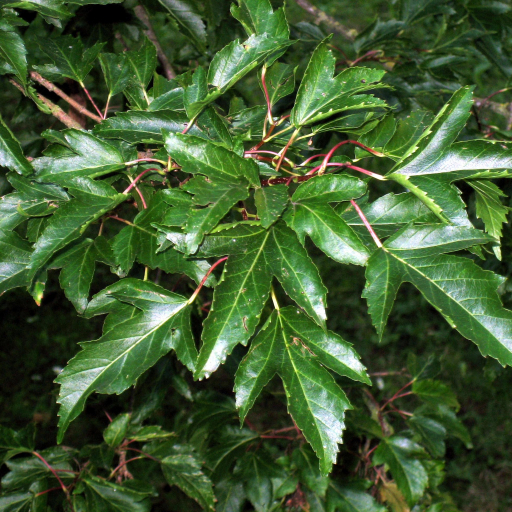
- 🍃 Leaf Shape: Distinctive three-lobed leaves where the central lobe is significantly longer than the side ones, often resembling a sharp arrowhead with jagged edges.
- 🌸 Fragrant Blooms: Unlike most maples, it produces small, creamy-white clusters of flowers in late spring that carry a surprisingly sweet, delicate fragrance.
- 🚁 Red Samaras: It bears "winged keys" (seeds) that often turn a bright, decorative reddish-pink in mid-summer before drying to brown, looking like tiny ornaments against the green foliage.
🏡 In Your Garden
- 🌳 The "Tough Cookie": This plant is incredibly hardy and tolerates wind, road salt, and urban pollution, making it an ideal choice for privacy screens or city "hellstrips" between the sidewalk and the street.
- 🎨 Color Strategy: To achieve the most vibrant, fiery-red foliage in the fall, you must plant it in full sun. In heavy shade, the leaves may only transition to a muted yellow or brown.
- ✂️ Versatile Form: It naturally grows as a dense, multi-stemmed shrub, but it is a favorite for "limbing up"—pruning away the lower branches to create a dainty, single-trunk tree shape.
⚠️ Safety & Toxicity
- ✅ Pet & Child Safe: The Amur Maple is considered non-toxic to humans, dogs, and cats, making it a "worry-free" addition to family backyards.
- 🌱 Ecological Alert: Because it is so hardy and produces so many seeds, it can be invasive in certain parts of the Northern United States and Canada. It "escapes" gardens and can crowd out native woodland plants.
✨ Fun Fact
Because of its small leaves, fine branching, and incredible cold hardiness, the Amur Maple is one of the most popular species in the world for Bonsai. It allows beginners to practice "big tree" aesthetics on a miniature scale!

Detailed Care Instructions
To grow Acer Tataricum Subsp. Ginnala, also known as Amur Maple, follow these steps:
- Choose a suitable location: Amur Maple prefers full sun to partial shade. It can tolerate a wide range of soil conditions but prefers well-draining, moist soil.
- Prepare the soil: Dig a hole that is as deep as the root ball and twice as wide. Remove any weeds or grass from the area. Mix organic matter, such as compost, into the soil to improve its fertility and drainage.
- Planting: Place the plant in the hole, ensuring that the top of the root ball is level with or slightly above the ground. Backfill the hole with soil, gently pressing it down. Water thoroughly to settle the soil around the roots.
- Watering: Keep the soil consistently moist, especially during the first year of growth. Water deeply at least once a week, providing enough water to penetrate the root zone. Avoid overwatering as it may cause root rot.
- Mulching: Apply a layer of organic mulch, such as wood chips or shredded bark, around the base of the plant. This helps retain moisture, suppress weeds, and regulate soil temperature. Keep the mulch a few inches away from the trunk to prevent rot.
- Fertilizing: Apply a balanced, slow-release fertilizer in early spring. Follow the manufacturer's instructions for dosage and application method. Avoid excessive fertilization, which can lead to weak growth.
- Pruning: Prune Amur Maple during the dormant season (late winter or early spring) to shape the tree and remove any dead or damaged branches. Additionally, you can lightly prune throughout the year to maintain the desired size and shape.
- Pests and diseases: Monitor the plant for pests like aphids and scale insects. Treat infestations with insecticidal soap or neem oil, following the product instructions. Amur Maple is generally resistant to diseases but can occasionally be susceptible to leaf spot or powdery mildew.
- Winter protection: Amur Maple is cold hardy but may benefit from a layer of mulch around the base to protect the roots during harsh winters. Young plants may also need to be wrapped with burlap or placed in windbreaks to shield them from drying winter winds.
Remember to research and follow any specific care guidelines for the Amur Maple variety you have, as there might be slight variations in requirements.

Place in a bright room that is sun drenched almost all day. Or directly in a south-facing window.

To properly water Acer Tataricum Subsp. Ginnala plants, follow these guidelines:
1. Evaluate the soil moisture: Before watering, check the soil moisture by inserting your finger or a moisture meter into the soil up to a depth of 2-3 inches. If the soil feels dry at this level, it's time to water.
2. Choose the right time: Watering in the morning or evening is ideal, as it allows the plant to absorb water before the hottest part of the day. This ensures optimal hydration and minimizes water evaporation.
3. Use a watering can or hose: Gently pour water around the base of the plant, avoiding the leaves if possible. Ensure a slow and steady stream to allow the water to penetrate deep into the root zone.
4. Measure the quantity: Provide enough water to moisten the top 6-8 inches of soil. Aim for a thorough watering that allows the moisture to reach the deeper roots of the plant.
5. Frequency of watering: Avoid overwatering as it can lead to root rot. Instead, water deeply and less frequently, allowing the top inch or two of soil to dry out between watering sessions. This encourages the plant to develop a deep root system.
6. Adjust according to weather conditions: During hot and dry periods, the plant may require more frequent watering. Conversely, reduce watering during cooler or rainy seasons to prevent waterlogged soil.
7. Mulch the soil: Apply a layer of organic mulch around the base of the plant to help retain soil moisture and regulate the temperature of the roots. This reduces the need for frequent watering and promotes a healthier root system.
Remember, each plant's water requirements can differ, so it's important to observe the specific needs of the Acer Tataricum Subsp. Ginnala plant and adjust your watering schedule accordingly. Regular monitoring and careful watering will help ensure the plant's overall health and growth.
Fertilizing instructions for Acer Tataricum Subsp. Ginnala plant:
- Choose a balanced, slow-release granular fertilizer specifically formulated for woody plants or shrubs.
- Follow the recommended dosage instructions indicated on the fertilizer packaging.
- Apply the fertilizer in early spring, before new growth starts, or in early fall, after the plant's active growing season has passed.
- Sprinkle the fertilizer evenly around the base of the plant, extending the application area to the edge of its canopy, but avoiding direct contact with the main stem.
- Gently work the fertilizer into the top layer of soil using a garden fork or rake, being careful not to damage the plant's roots.
- Water the area thoroughly after fertilizing to help the nutrients penetrate the soil and reach the plant's roots.
- Repeat the fertilization process once a year, either in early spring or early fall, depending on the timing of your initial application.
- Monitor the plant's growth and adjust the fertilizer dosage or timing as needed, keeping in mind that over-fertilization can harm the plant.
The Acer Tataricum Subsp. Ginnala plant, a member of the Aceraceae family, is a deciduous shrub or small tree that is native to various regions in Asia. When choosing soil for this plant, it is essential to consider its natural habitat and growth requirements.
The ideal choice for the Acer Tataricum Subsp. Ginnala plant would be well-draining soil that is rich in organic matter. It should hold moisture while allowing excess water to drain away promptly to prevent waterlogging, which can lead to root rot. The pH level of the soil should be slightly acidic to neutral, ideally in the range of 6.0-7.0.
To enhance the soil's fertility and organic content, compost or well-rotted manure can be added during planting or as a top dressing. This will provide essential nutrients and improve soil structure, promoting healthy growth and development.
Additionally, the soil should have good aeration to ensure that the roots receive adequate oxygen. Proper aeration will prevent soil compaction, which may impede water absorption and nutrient uptake.
Acer Tataricum Subsp. Ginnala plants generally prefer loamy or sandy loam soils due to their excellent drainage properties. These types of soil allow water to penetrate and reach the roots effectively, while also retaining enough moisture for the plant's needs. Such soil texture ensures that the plant receives necessary hydration without drowning the roots.
Furthermore, the Acer Tataricum Subsp. Ginnala plant requires a soil environment that is resistant to extreme alkalinity or salinity. Soils with high concentrations of salt or excessive alkalinity can be detrimental to the plant's health and overall growth.
To summarize, the Acer Tataricum Subsp. Ginnala plant thrives best in well-draining, slightly acidic to neutral soil rich in organic matter. Loamy or sandy loam textures are preferable, providing a balance of water retention and drainage. Ensuring aeration, avoiding extreme alkalinity or salinity, and enriching the soil with organic amendments will help create an ideal growing environment for this plant.
To propagate Acer Tataricum Subsp. Ginnala plant, you can follow these steps:
- Collect Seeds: Acer Tataricum Subsp. Ginnala plant produces seeds in the fall. Look for mature seeds on the plant, which are typically found in clusters. Take care not to damage the seeds while collecting.
- Prepare the Soil: Choose a well-draining potting mix for sowing the seeds. Make sure the soil is loose and fertile to provide optimal conditions for germination.
- Cold Stratification: Most Acer Tataricum Subsp. Ginnala seeds require a period of cold stratification to break their dormancy. Place the seeds in a moist paper towel or in a plastic bag with damp peat moss. Seal the bag and keep it in the refrigerator for 60-90 days.
- Sow the Seeds: After the cold stratification period, fill small pots or seed trays with the prepared potting mix. Plant the stratified seeds by pressing them gently into the soil, ensuring they are covered with a thin layer of soil.
- Watering: Water the pots or trays from below by placing them in a shallow tray filled with water. Allow the soil to absorb the moisture until the surface feels moist. Avoid overwatering, as excessive moisture can lead to rot.
- Provide Adequate Light: Place the pots or trays in a location that receives bright, indirect sunlight. Ensure that the temperature remains between 65-75°F (18-24°C) for optimal seed germination.
- Maintain Moisture: Regularly monitor the soil moisture and ensure it remains consistently moist, but not soggy. Mist the soil surface lightly with water whenever it begins to dry out.
- Transplanting: Once the seedlings have grown to a suitable size and have developed a few sets of true leaves, they can be transplanted into individual pots. Use a well-draining container mix and provide ample spacing between plants.
- Care for Seedlings: Place the potted seedlings in a bright location with filtered sunlight. Water them regularly, ensuring that the soil doesn't dry out completely but isn't waterlogged either. Avoid exposing them to direct sunlight initially.
- Gradual Hardening-Off: After a few weeks, begin gradually exposing the seedlings to outdoor conditions. Start by placing them in a sheltered area for a few hours a day, gradually increasing the exposure over time. This process helps the seedlings acclimate to outdoor conditions.
- Transplanting Outdoors: Once the seedlings are hardened off and the threat of frost has passed, transplant them into their permanent location in the garden or landscape. Choose a spot that receives full to partial sunlight and has well-draining soil.
Remember, Acer Tataricum Subsp. Ginnala plants tend to grow rapidly, and they may require occasional pruning to maintain their desired shape and size. Regular watering, fertilizing, and protection from pests and diseases will help ensure the healthy growth of these plants.
Common pests of the amur maple include Spider mites, thrips, larvae. Make a habit of checking your amur maple frequently for pests so that any infestations can be caught and managed early.







