Plant Overview
Known as the Shantung Maple or Purpleblow Maple, this elegant deciduous tree is a hidden gem from the forests of Northern China and Korea. It is beloved by landscapers for its manageable size and spectacular color transitions that rival its more famous Japanese cousins. Whether it's the purplish hue of new spring leaves or the fiery gold of autumn, this tree acts as a living mood ring for your garden.
🔍 How to Identify
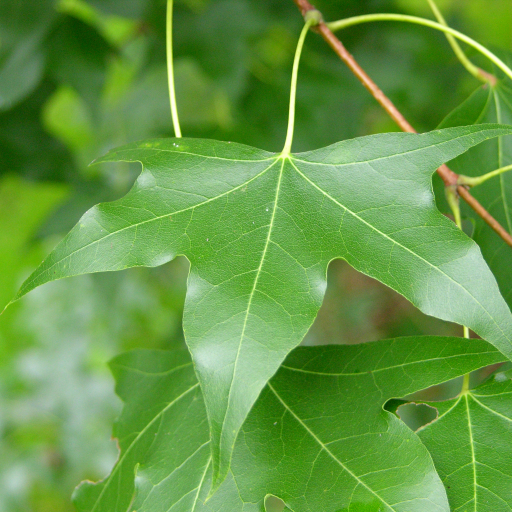
- 🍃 The Truncated Base: Its most defining feature is the leaf base, which looks "chopped off" or flat where it meets the stem, rather than the typical heart shape.
- 🎨 Color-Shifting Foliage: New leaves emerge in a striking reddish-purple (the "purple blow") before maturing into a deep, glossy forest green during the summer months.
- 🌳 Compact Canopy: It typically grows into a neat, rounded umbrella shape, rarely exceeding 25 feet in height, making it an ideal ornamental specimen for smaller spaces.
🏡 In Your Garden
- ☀️ Sun-Tough Resilience: Unlike many delicate maples that scorch and crisp in high heat, the Shantung Maple is surprisingly "tough as nails." It handles intense summer sun and dry winds far better than the Japanese Maple.
- 🌱 Adaptable Roots: It features a well-behaved, non-invasive root system. This means you can plant it near a patio or walkway without the fear of the tree lifting your pavers or cracking the concrete in a few years.
⚠️ Safety & Toxicity
- ✅ Safe for Families: This plant is generally considered non-toxic to humans, dogs, and cats. It is a very safe addition to a backyard where children and pets play.
- 🐴 Livestock Caution: While there are no specific reports of Acer truncatum being deadly, the wilted leaves of many maple species can be toxic to horses if eaten in large quantities. As a precaution, keep grazing animals away from fallen foliage.
✨ Fun Fact
The Shantung Maple is a "parent" to some of the most popular street trees in the world! It was cross-bred with the Norway Maple to create the famous "Pacific Sunset" series, combining the Shantung's incredible heat resistance with the classic silhouette of a larger shade tree.

Detailed Care Instructions
| Color | Insignificant |
| Soil Ph | Acidic |
| Toxicity | Non-Toxic |
| Soil Type | Average, Medium, Well-Drained Soil |
| Bloom Time | April |
| Plant Type | Deciduous Tree |
| Mature Size | 20 To 25 Ft. Tall, 15 To 20 Ft. Wide |
| Native Area | Korea And Northern China |
| Sun Exposure | Full Sun, Part Shade |
| Hardiness Zones | 4-8 |
To grow Acer Truncatum (Shantung maple) plants, you can follow these steps:
- Choose a suitable location: Acer Truncatum prefers full sun to partial shade. Select a well-draining area with fertile soil.
- Prepare the soil: Before planting, amend the soil with organic matter like compost or well-rotted manure to improve its fertility and drainage.
- Planting: Dig a hole that is slightly larger than the root ball of your Acer Truncatum plant. Place the plant in the hole, ensuring that the top of the root ball is level with the surrounding soil. Backfill the hole with soil and gently firm it around the plant's base.
- Watering: Water the newly planted Acer Truncatum thoroughly after planting. Keep the soil moist but not waterlogged during the plant's establishment period. Water deeply once a week during dry spells.
- Mulching: Apply a layer of organic mulch around the base of the plant, leaving a small gap around the trunk. Mulch helps to conserve moisture, suppress weeds, and regulate soil temperature.
- Pruning: Prune Acer Truncatum regularly to remove any dead, damaged, or crossing branches. This will promote healthy growth and enhance the plant's shape.
- Fertilizing: In early spring, apply a balanced slow-release fertilizer according to the manufacturer's instructions. This will provide the plant with essential nutrients for healthy growth.
- Pest and disease control: Monitor your Acer Truncatum plant regularly for any signs of pests or diseases. Common issues include aphids, scale insects, and root rot. Take appropriate measures if necessary, such as using organic insecticides or fungicides.
- Winter care: Acer Truncatum is hardy in zones 4-7. However, younger plants may benefit from protection during the winter months. Apply a layer of mulch around the base of the plant to insulate its roots and help retain moisture.
By following these steps and providing proper care, your Acer Truncatum plant should grow well and thrive in your garden.

Place in a bright room that is sun drenched almost all day. Or directly in a south-facing window.

1. Check the soil moisture: Before watering the plant, check the soil moisture level by inserting your finger into the soil. If the top 2 inches of soil feel dry, it's time to water.
2. Use room temperature water: Use room temperature water for watering the plant. Cold water can shock the roots and hot water can scald them.
3. Water at the base of the plant: Water the plant at the base rather than from above. Directing water towards the base of the plant ensures that the water reaches the roots directly.
4. Water deeply: Ensure that the water reaches a depth of at least 6 inches. Watering deeply helps to encourage deep root growth.
5. Don't overwater: Overwatering can lead to root rot, which can be fatal to the plant. Water the plant only when needed.
6. Mulch the soil: Mulching the soil around the base of the plant helps to retain moisture and reduce water loss.
7. Watering frequency: The frequency of watering depends on various factors such as soil drainage, environmental conditions, and plant size. As a general rule, water the plant once a week during the growing season and reduce the frequency during the dormant season.
To fertilize this plant, begin by selecting a balanced, slow-release fertilizer with an N-P-K ratio of 10-10-10 or 14-14-14. Apply the fertilizer in early spring just as new growth is beginning, and again in late spring to early summer as the plant enters its active growth period. Use a rate of 1/4 to 1/2 pound of fertilizer per inch of trunk diameter, and spread the fertilizer evenly over the soil surface. Water the plant thoroughly after fertilizing to ensure that the nutrients are taken up by the roots. Avoid over-fertilizing, as this can lead to excessive growth and weaken the plant's structure.
The ideal soil type for Acer Truncatum is well-draining soil with plenty of organic matter. The soil should be slightly acidic with a pH level between 5.5 and 6.5. It is also important to ensure that the soil is not too compacted, as the plant's roots need space to grow and spread out. Additionally, it is recommended to avoid soils that are too sandy or contain high levels of clay. Regular fertilization with a balanced fertilizer is also recommended to promote healthy growth of the plant.
In order to propagate this particular plant, you will need to take cuttings from an established plant. First, identify a healthy branch with a minimum of two leaf nodes. Using a sharp and clean pair of scissors or pruning shears, make a clean cut at a 45-degree angle just below the node. Remove all but a few of the leaves at the top of the cutting, leaving only 2-4 leaves. Dip the cut end into rooting hormone powder and gently tap off any excess.
Fill a pot with potting soil and poke a hole in the center with a pencil or dowel. Insert the cutting into the hole, gently pressing the soil around it. Water the cutting well and place it in a warm, bright location that receives indirect light. Keep the soil moist, but not soggy, and mist the cutting daily to keep the humidity high.
After a few weeks, new growth should appear, indicating that the cutting has rooted successfully. At this point, you can transplant it to a larger pot or into the ground outdoors.








