Plant Overview
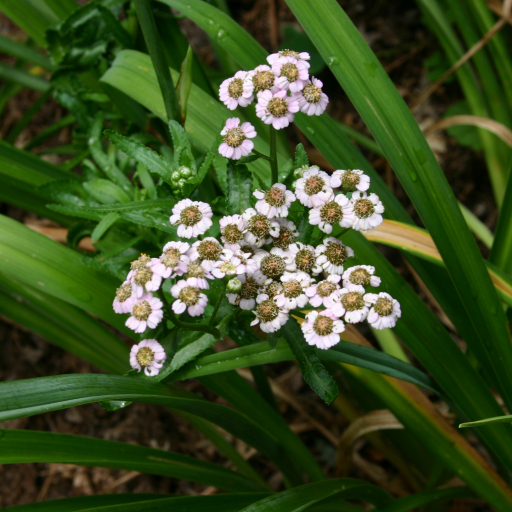
Known as the Siberian Yarrow or Alpine Yarrow, this resilient perennial is the rugged cousin of the common garden yarrow. Native to the cool, mountainous regions of Asia and North America, it is built to withstand harsh winds and freezing temperatures. While it shares the medicinal history of its relatives, its distinct "saw-tooth" leaves give it a much sharper, more architectural look than the feathery varieties most gardeners are used to.
🔍 How to Identify
- 🌿 The Foliage: Unlike common yarrow, the leaves are long, narrow, and sharply serrated, resembling the edge of a saw blade rather than a soft fern.
- 🌼 The Blooms: It produces flat-topped clusters (corymbs) of small, creamy-white flowers that look like miniature daisies tightly packed together.
- 📏 Growth Habit: It typically grows in upright, stiff clumps reaching about 12 to 30 inches tall, rarely needing a stake even in windy spots.
🏡 In Your Garden
- 🌱 Tough Love: This plant thrives on neglect. If you give it soil that is too rich or fertile, the stems will become "lazy" and flop over; it prefers lean, sandy, or rocky soil to stay upright and strong.
- ☀️ Sun Seeker: It requires full sun to produce the best blooms. In the garden, it acts as a fantastic pollinator magnet, drawing in hoverflies and predatory wasps that help naturally manage garden pests.
- ✂️ Spread Control: It spreads via underground runners (rhizomes). While not as aggressive as some groundcovers, it’s best to give it space where it can expand without crowding out delicate neighbors.
⚠️ Safety & Toxicity
- 🐾 Pet Warning: Achillea alpina is considered toxic to dogs, cats, and horses. If ingested, it can cause vomiting, diarrhea, and skin irritation.
- 🤚 Skin Sensitivity: Some gardeners may experience "phytophotodermatitis"—a skin rash that occurs when the plant’s sap gets on the skin and is then exposed to sunlight. Wearing gloves while pruning is a smart move.
✨ Fun Fact
The genus name Achillea is a tribute to the Greek hero Achilles. Legend says he used yarrow plants to staunch the bleeding wounds of his soldiers during the siege of Troy. While Achillea alpina is a specific mountain species, it carries that same "warrior" DNA of being nearly indestructible!

Detailed Care Instructions
To grow Achillea Alpina, also known as alpine yarrow, you can follow these steps:
- Choose a suitable location: Alpine yarrow prefers full sun but can tolerate light shade. It also thrives in well-draining soil.
- Prepare the soil: Ensure the soil is loose and well-draining. If the soil is heavy or compacted, mix in organic matter like compost or peat moss to improve drainage.
- Plant the seeds or seedlings: You can start from seeds sown directly in the garden or purchase nursery-grown seedlings. If starting from seeds, sow them in early spring or late summer, following the recommended depth on the seed packet. For seedlings, dig a hole slightly larger than the root ball and gently place the plant, backfilling with soil.
- Watering: Initially, keep the soil slightly moist until the plants establish. Once established, alpine yarrow is drought-resistant and requires occasional deep watering during dry spells.
- Mulching: Apply a layer of organic mulch around the plants to retain moisture, suppress weeds, and regulate soil temperature.
- Prune or deadhead: Deadhead the spent flowers regularly to encourage more blooms and prevent self-seeding. In early spring, you can cut back the foliage to stimulate new growth.
- Fertilization: Achillea Alpina does not require heavy fertilization. A yearly application of well-balanced slow-release fertilizer or top-dressing with compost should be sufficient.
- Pest and disease control: Alpine yarrow is generally pest and disease-resistant. However, watch out for common garden pests like aphids or caterpillars. Use organic pest control methods like insecticidal soap or handpicking to deal with infestations.
- Dividing and propagating: Every few years, you may need to divide the clumps to maintain their vigor. Dig up the plant, separate the root ball into smaller sections with new growth, and replant them in well-prepared soil.
By following these guidelines, your Achillea Alpina plant should grow and thrive, providing beautiful flowers and attracting pollinators to your garden.

Place in a bright room that is sun drenched almost all day. Or directly in a south-facing window.

Achillea Alpina is a plant that requires regular watering to thrive. To properly water this plant, it is important to check the soil moisture regularly. This can be done by sticking a finger into the soil to a depth of about an inch. If the soil feels dry, it is time to water the plant.
When watering, it is best to do so deeply and slowly, allowing the water to penetrate the soil and reach the roots. To avoid waterlogging the soil, wait until the water has been absorbed before watering again.
It is also important to avoid getting water on the foliage, as this can lead to fungal diseases. Try to water the soil directly, avoiding the leaves and stems of the plant.
During hot or dry weather, Achillea Alpina may require more frequent watering to keep the soil moist. Be sure to provide enough water to keep the soil consistently moist, but avoid over-watering, as this can lead to root rot.
Overall, maintaining proper soil moisture is essential for the health and growth of Achillea Alpina plants.
To fertilize this plant, apply a balanced fertilizer with equal amounts of nitrogen, phosphorus, and potassium in early spring before new growth appears. Repeat the fertilization in late spring or early summer after the plant has flowered. Avoid over-fertilization as it can lead to weak growth and reduce flower production. Follow the instructions on the fertilizer package for application rates and methods. Always water the plant thoroughly after fertilization.
The ideal soil for Achillea Alpina plants is a well-draining, sandy loam soil with a neutral to slightly alkaline pH. It should be rich in organic matter and nutrients to promote healthy growth and vigor. The soil should also have good water-holding capacity to keep the plant hydrated, but avoid waterlogged conditions that can cause root rot. It is recommended to add compost or well-rotted manure to the soil prior to planting to ensure sufficient nutrients for the plant.
Sure, here are some steps to propagate this plant:
- Choose a healthy parent plant from which to take cuttings. Look for a stem that is firm and has multiple leaves.
- Take a sharp knife or pair of scissors and cut a 4-6 inch stem from the parent plant at a 45-degree angle, just below a leaf node. This will be your cutting.
- Strip the lower leaves from the cutting so that there are at least two leaves remaining at the top.
- Dip the cut end of the cutting into rooting hormone powder. This will help it develop roots more quickly.
- Plant the cutting in soil that is moist but well-draining. You may want to add some perlite or sand to the soil to improve drainage.
- Cover the cutting with a plastic bag or dome to create a humid environment. This will help prevent the cutting from drying out.
- Place the cutting in a bright, but indirect light. Avoid direct sunlight as this can scorch the cutting.
- Keep the soil moist, but not waterlogged. Overwatering can cause the cutting to rot.
- After a few weeks, gently tug on the cutting to see if it has developed roots. If it has, you can remove the plastic bag or dome and begin to acclimate the new plant to regular conditions.








