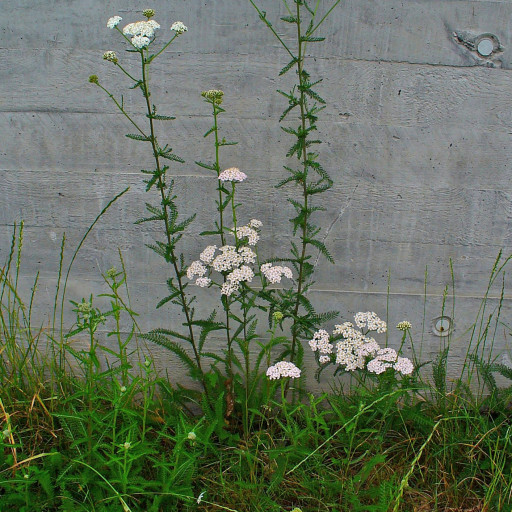
Plant Overview
Known as "Yarrow" or the "Nosebleed Plant," Achillea millefolium is a rugged wildflower steeped in ancient Greek mythology. Legend says the hero Achilles used it to staunch the bleeding of his soldiers on the battlefield, earning it a reputation as a healing herb. With its delicate, lace-like foliage and incredibly hardy nature, it is a favorite for both wild meadows and modern water-wise gardens.
🔍 How to Identify
- 🌿 The Foliage: The leaves are soft, feathery, and fern-like, arranged spirally along the stem. The name millefolium means "thousand leaves," referring to this finely divided appearance.
- 🌼 The Flowers: It produces flat-topped clusters (corymbs) of tiny, daisy-like blossoms. While wild yarrow is typically white or soft pink, garden varieties can be found in vibrant reds, yellows, and oranges.
- 👃 The Scent: If you crush a leaf, it releases a sharp, spicy, and camphor-like herbal aroma that is quite distinct from other garden greens.
🏡 In Your Garden
- 🦋 The Pollinator Landing Pad: The flat flower heads act like a natural helipad for beneficial insects. It is especially attractive to ladybugs, hoverflies, and butterflies, making it an excellent "companion plant" for organic pest control.
- 🚜 Rugged Resilience: Yarrow thrives in poor, dry soil where other plants might wither. It is highly drought-tolerant once established, but it does spread via underground runners (rhizomes), so it may need occasional thinning to prevent it from taking over.
- ✂️ Self-Sufficiency: It hates being pampered. Too much fertilizer or water actually makes the plant "floppy" and weak. It prefers a "tough love" approach in a sunny spot.
⚠️ Safety & Toxicity
- 🐾 Pet Warning: While yarrow has a long history of medicinal use for humans, it is classified as toxic to dogs, cats, and horses.
- 🤢 The Symptoms: Ingesting the plant can cause vomiting, diarrhea, and light sensitivity in pets. Some gardeners may also experience mild skin irritation (dermatitis) when handling the leaves frequently without gloves.
✨ Fun Fact
- 🍺 Before the widespread use of hops, yarrow was one of the primary bittering agents used by monks and brewers to flavor and preserve beer!

Detailed Care Instructions
| Color | White, Yellow |
| Soil Ph | 4.0 To 8.0 |
| Humidity | Normal |
| Invasive | Weed |
| Lighting | Full Sun |
| Toxicity | Poisonous |
| Soil Type | Sandy, Loamy, Clay, Well-Draining |
| Bloom Time | June To September |
| Difficulty | Medium |
| Plant Type | Herbaceous Flowering Perennial |
| Mature Size | 2 To 3 Feet Tall, 2 To 3 Feet Wide |
| Native Area | Northern Hemisphere Of Asia, Europe, And North America |
| Temperature | 20°C - 30°C |
| Sun Exposure | Full Sun |
| Hardiness Zones | 3 To 9 |
To grow Achillea Millefolium, commonly known as Yarrow, follow these steps:
- Choose a suitable location: Yarrow prefers full sun but can tolerate light shade. It also thrives in well-drained soil.
- Prepare the soil: Dig the soil to loosen it and remove any weeds or grass. Yarrow can grow in various soil types but prefers slightly alkaline soil with a pH of 6.5 to 7.5. If necessary, amend the soil with compost or well-rotted manure to improve the drainage.
- Sow or plant the seeds: Yarrow can be grown from seeds or propagated through root division. If using seeds, sow them directly into the ground in early spring or fall. Lightly cover the seeds with soil and keep them consistently moist until germination occurs in approximately 14-21 days.
- Transplant seedlings (optional): If you started yarrow indoors, transplant the young seedlings to the garden after the threat of frost has passed. Space them about 12-18 inches apart to allow for their spreading growth habit.
- Watering: Initially, keep the soil moist but not waterlogged until the plant establishes itself. Once established, yarrow is drought-tolerant and requires watering only during prolonged dry periods.
- Fertilizing: Yarrow generally doesn't require much fertilization. However, you can apply a balanced slow-release fertilizer in early spring if desired.
- Mulching: Spread a thin layer of organic mulch around the plants to help conserve moisture, suppress weed growth, and provide some insulation during winter.
- Pruning: Yarrow is a perennial plant that benefits from regular pruning. Cut back the spent flowers to encourage additional blooms and prevent self-seeding. You can also prune the plant in late fall or early spring to maintain its shape and promote fresh growth.
- Pest and disease control: Yarrow is generally resistant to most pests and diseases. However, it may occasionally face issues with aphids or powdery mildew. Regularly monitor the plants and treat them accordingly with organic insecticidal soap or fungicide if needed.
- Division: Over time, yarrow may become crowded. To maintain its vigor, divide the plants every 2-3 years in early spring or fall. Dig up the clump and separate it into smaller sections, ensuring each section contains roots and shoots. Replant the divisions in freshly prepared soil.
By following these steps, you should be able to successfully grow Achillea Millefolium in your garden.

Place in a bright room that is sun drenched almost all day. Or directly in a south-facing window.

To properly water this plant, it is important to choose a well-draining soil mix and water deeply, but infrequently. Allow the top inch of soil to dry out before watering, and ensure that excess water can drain away from the roots. The frequency of watering will depend on the climate and humidity of the area, but aim to water once or twice a week, adjusting as necessary. Avoid watering from above to prevent the foliage from becoming too wet and developing fungal issues.
- Begin by selecting a well-draining soil for your plant, with a pH range of 6.0 to 7.5.
- Fertilize your plant once in the early spring with a balanced fertilizer, using a slow-release granular product or a water-soluble fertilizer diluted according to the manufacturer's instructions.
- For subsequent feedings, use a nitrogen-rich fertilizer every four to six weeks during the growing season, avoiding fertilizers high in phosphorus.
- Apply fertilizer in a circular pattern, around the base of the plant, taking care not to let it touch the stems or leaves.
- Water your plant after fertilizing to help the nutrients penetrate the soil.
- If your plant appears stunted or discolored, you may need to adjust your fertilization schedule or switch to a different type of fertilizer.
For Achillea Millefolium, it is recommended to use well-draining soil that is rich in organic matter. The pH level of the soil should range between 6.0 to 7.5. Sandy loam or loam soil is best suited for this plant as it allows for good drainage and air circulation. The soil should be kept slightly moist but not waterlogged as this can cause root rot. A layer of mulch around the base of the plant can help to retain moisture and suppress weed growth. It is also recommended to fertilize the plant once or twice a year with a balanced slow-release fertilizer.
To propagate this plant, you can take stem cuttings from the parent plant. Select healthy stems that are not flowering and cut them from the base of the plant. Trim off the lower leaves and any flower buds. Dip the cut end of the stem in rooting hormone and plant it in well-draining soil. Keep the soil moist and place the cutting in a warm and bright location, but out of direct sunlight. Over time, roots should develop and a new plant will form.
Common pests of the common yarrow include Aphids. Make a habit of checking your common yarrow frequently for pests so that any infestations can be caught and managed early.








