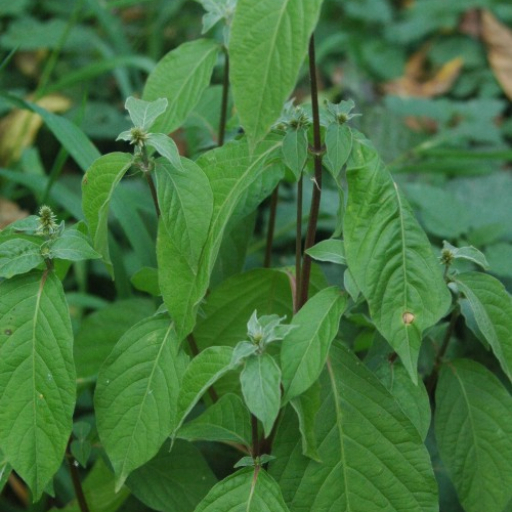
Plant Overview
Known as the "Ox Knee" because of its distinctive swollen stem joints, Achyranthes bidentata is far more than just a roadside green. While it might look like a simple wild herb to the untrained eye, it has been a staple of East Asian traditional medicine for centuries. It is celebrated for its resilience and its deep, powerful root system, often appearing in folklore as a symbol of strength and skeletal health.
🔍 How to Identify
- 🦴 The "Knee" Nodes: The most striking feature is the pair of swollen, joint-like nodes at each point where leaves meet the stem, closely resembling the knobby knees of an ox.
- 🍃 Opposite Foliage: The leaves are elliptical or lance-shaped with pointed tips, growing in perfect opposite pairs along the square-ish stems.
- 🌾 Hooked Flower Spikes: It produces long, thin spikes of tiny, greenish flowers. As they mature, these flowers turn into small, prickly fruits that easily hitch a ride on animal fur or hikers' socks.
🏡 In Your Garden
- 🌱 Deep Soil Requirements: Because this plant develops a long, fleshy taproot, it requires deep, well-drained soil to truly thrive. If you are growing it for its aesthetic or historical value, avoid shallow pots which can stunt its development.
- ☀️ Sun and Space: It is an adaptable survivor that prefers full sun to partial shade. In a garden bed, it acts as a hardy perennial, but be mindful of its "hitchhiking" seeds—if you don't prune the flower spikes, you may find "Ox Knee" popping up in every corner of your yard next season.
⚠️ Safety & Toxicity
- 🚫 Medicinal Caution: While the roots are used in traditional therapies, they should never be consumed without expert guidance. It is historically known to stimulate blood flow and is strictly avoided during pregnancy.
- 🐾 Pet Safety: The plant is generally considered non-toxic to touch, but the prickly seed heads (burrs) can cause physical irritation or get stuck in the fur and ears of pets, potentially leading to skin infections if not removed.
✨ Fun Fact
- 🦷 The "Two-Toothed" Plant: The species name bidentata is Latin for "two-toothed." This refers to two tiny, tooth-like appendages found at the base of the flower bracts—a miniature detail that requires a magnifying glass to appreciate!

Detailed Care Instructions
To grow Achyranthes bidentata (also known as Chinese chaff flower or niu xi), follow these steps:
- Climate and planting: Achyranthes Bidentata thrives in temperate to subtropical regions with full sun exposure. Before planting, check if your climate is suitable for this plant. Once confirmed, choose a suitable location in your garden or a suitable pot if you plan to grow it indoors.
- Soil preparation: This plant prefers well-draining soil with a pH level between 6.0 and 7.5. Incorporate organic matter like compost or well-rotted manure into the soil to improve fertility and drainage.
- Propagation: Achyranthes bidentata can be propagated from seeds or stem cuttings. If starting from seeds, sow them in a seed tray or directly in the prepared soil. If using stem cuttings, take a 4-6 inch long cutting from a healthy plant and remove the lower leaves. Dip the cutting in a rooting hormone before planting it in well-draining potting soil.
- Watering: Keep the soil consistently moist, but not waterlogged, especially during the plant's early stages. Once established, water moderately and allow the top few inches of soil to dry slightly between waterings.
- Fertilizer: Feed the plant with a balanced organic fertilizer every 4-6 weeks during the growing season. Follow the instructions on the fertilizer packaging for proper dosage.
- Pruning: Prune the plant regularly to promote bushier growth and control its size. Remove any dead or damaged branches and trim back excessive growth.
- Pests and diseases: Achyranthes bidentata is generally resistant to most pests and diseases. However, occasional infestations of aphids or spider mites may occur. Use organic or chemical insecticides if necessary, following the instructions on the label.
- Harvesting: You can begin harvesting the roots of the plant after it has grown for at least two years. Carefully dig up the roots and clean them thoroughly. They can be used fresh or dried for medicinal purposes.
Always read and follow the specific instructions or recommendations provided with the Achyranthes bidentata plant you purchase, as guidelines may vary depending on the variety and local conditions.

Place in a bright room that is sun drenched almost all day. Or directly in a south-facing window.

When watering this plant, it is important to water deeply, ensuring that the soil is thoroughly saturated. Allow the soil to dry slightly between waterings, as overwatering can lead to root rot. Take care not to splash water on the leaves, as this can promote the development of fungal diseases. Use room temperature water to avoid shocking the plant, and make sure that excess water is allowed to drain away. Consider using a well-draining, slightly acidic soil mix to promote healthy growth. Finally, monitor the plant regularly for any signs of moisture stress, such as wilting or yellowing leaves, and adjust your watering schedule accordingly.
To fertilize this plant, use a balanced fertilizer with equal amounts of nitrogen, phosphorus, and potassium, during its growing season. Apply the fertilizer every 4-6 weeks during this time, but avoid fertilizing during the winter months. When applying, make sure to spread the fertilizer evenly around the base of the plant, but not too close to the stem. Water the plant thoroughly after fertilizing.
Achyranthes bidentata prefers a well-draining, loamy soil that is rich in organic matter. A pH range of 6.0 to 7.5 is optimal, and the soil should be kept moist but not waterlogged, as the plant is susceptible to root rot. The soil should also be able to retain moisture well, as the plant does not tolerate drought well. Fertilization may be necessary during the growing season with a balanced fertilizer. The soil should be amended with compost or other organic matter prior to planting to improve soil quality. It is also important to avoid the use of chemical herbicides, as Achyranthes bidentata has been found to be sensitive to some chemicals.
To propagate this plant, the first step is to obtain a healthy and mature specimen. Once you have the plant, you can either propagate it from stem cuttings or by dividing the root system.
Stem cuttings should be taken from the top of the plant and should be around 5-6 inches long. Remove the leaves from the lower part of the stem and dip the cut end in rooting hormone. Plant the cutting in a well-draining potting mix and keep it moist but not waterlogged. Place the pot in a bright spot with indirect sunlight and wait for new growth to emerge.
To divide the root system, carefully remove the plant from its pot and gently separate the roots into smaller sections. Each section should have a healthy root system and some top growth. Plant each new section in its own pot with well-draining soil and water thoroughly.
Both methods of propagation require patience and care. It may take several weeks or even months before the new plant is established and ready for transplanting or further growth. With proper care, this plant can be a beautiful addition to any garden or indoor space.








