Plant Overview
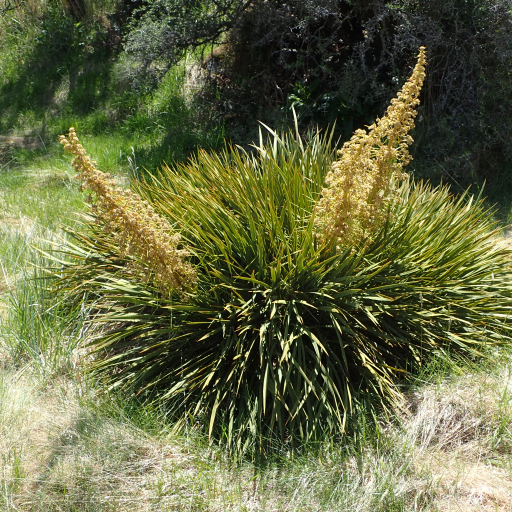
Meet the Golden Spaniard, a rugged, architectural icon from the New Zealand high country. Often referred to as "Speargrass," this plant doesn't just sit in a garden; it guards it. With its brilliant metallic-gold hue and fierce, sword-like foliage, it is a favorite for gardeners looking to add a dramatic, "prehistoric" aesthetic to their landscape.
🔍 How to Identify
- 🌿 The Foliage: Stiff, rigid, fan-like leaves that radiate from the base in a dense rosette. The leaves are leathery and transition from a deep olive-green to a brilliant yellow-orange.
- ⚔️ The Spines: True to its nickname, every leaf tip ends in a needle-sharp, unyielding point designed to deter any animal from taking a bite.
- 🌻 The Flower Spike: It produces a massive, formidable golden flower stalk that can reach over a meter in height, heavily protected by sharp bracts (leaf-like structures).
🏡 In Your Garden
- 🏔️ Mountain Roots: This plant is an alpine specialist. It thrives in "lean" conditions, craving sharp drainage and gritty, rocky soil. It will struggle in heavy clay or overly rich, damp garden beds.
- 📍 A "Forever" Home: The Golden Spaniard develops a very long, sensitive taproot to find water deep underground. Because of this, it hates being transplanted; once you put it in the ground, it’s best to leave it there for life.
- 💨 Weather Warrior: It is virtually immune to high winds and heavy frosts. In fact, it often looks its most vibrant in harsh, exposed sites where other plants might wither.
⚠️ Safety & Toxicity
- 🛑 Mechanical Hazard: While not known to be chemically toxic to humans or pets, the "Speargrass" name is a literal warning. The leaf tips are sharp enough to puncture skin, denim, and even light leather gloves.
- 🐾 Space Requirements: It is not recommended for households with curious pets or small children unless planted in an inaccessible area. It serves as an excellent "natural fence" to keep people or animals away from specific zones.
✨ Fun Fact
📜 Explorer's Nightmare: Early European explorers in New Zealand found the Golden Spaniard so painful to walk through that they often had to burn large patches of the "spears" just to clear a path for their horses and pack animals to pass safely!

Detailed Care Instructions

Place in a bright room that is sun drenched almost all day. Or directly in a south-facing window.

Some plants require more regular watering than others, which should be done every few days. It's critical to maintain the soil moist all of the time. The water requirements of the same plant placed in pots with varying sizes will differ. Because the water in the smaller pot evaporates faster than the water in the larger pot, it will require more watering. Regardless of pot size, the surface should constantly be maintained moist.








