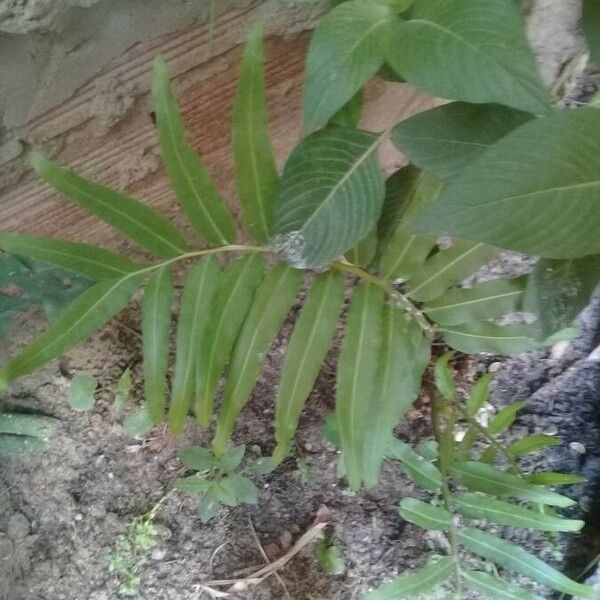
Plant Overview
Often called the "Giant Leather Fern," this impressive specimen looks like it stepped straight out of a prehistoric landscape. Native to the swampy wetlands and mangrove borders of Florida, the Caribbean, and Central America, it is one of the largest ferns in the world. Its presence adds a dramatic, architectural flair to any tropical garden, standing as a living relic of the ancient world.
🔍 How to Identify
- 📏 Stately Size: This fern is a true giant, capable of reaching heights of 6 to 12 feet, forming massive, dense clumps that can dominate a landscape.
- 🌿 Leathery Pinnae: The leaflets (pinnae) are thick, waxy, and remarkably tough to the touch—a survival adaptation that helps the plant withstand intense sun and salt spray.
- 🍂 Velvety Spores: The fertile fronds are a sight to behold; rather than having small dots (sori) on the back, the entire underside of the upper leaflets is covered in a thick, rust-colored carpet of spores.
🏡 In Your Garden
- 💧 The Swamp King: This plant thrives with "wet feet." It is the perfect choice for the edges of ponds, mucky bog gardens, or low-lying areas of your yard where water tends to pool after rain.
- 🌊 Coastal Resilience: Unlike most ferns that wither at the scent of salt, the Giant Leather Fern is highly tolerant of brackish water and salt spray, making it a go-to for coastal stabilization and seaside landscaping.
⚠️ Safety & Toxicity
- ✅ Non-Toxic Status: Acrostichum danaeifolium is generally considered safe and non-toxic for humans, dogs, and cats.
- 🧤 Physical Caution: Because the fronds are so large and the stems are quite woody and coarse, it is wise to wear gardening gloves when pruning to avoid "paper cuts" or skin abrasion from the tough foliage.
✨ Fun Fact
The Giant Leather Fern belongs to one of the most ancient lineages of ferns still in existence. Fossil records of the Acrostichum genus date back over 50 million years, meaning these plants were already flourishing during the Eocene epoch!

Detailed Care Instructions
To grow Acrostichum danaeifolium, also known as the leather fern, you can follow these steps:
- Location: Choose a suitable location with partial shade to full sun. The plant can tolerate various soil types but prefers slightly acidic, moist, and well-draining soil.
- Propagation: Acrostichum danaeifolium can be propagated from spores, which are found on the underside of mature fronds. Collect mature fronds and place them in a paper bag until the spores are released. Sow the spores on a mixture of peat moss and sand or fertile soil.
- Germination: Fill a shallow container with the spore mixture and water lightly. Cover the container with a clear plastic lid or plastic wrap to maintain humidity. Place the container in a warm and bright spot, but avoid direct sunlight. Keep the soil moist by misting or watering lightly. The spores will germinate and develop into small ferns.
- Transplantation: Once the ferns reach a suitable size (a couple of inches tall), they can be carefully transplanted into individual pots or a prepared garden bed. Use well-draining soil and ensure adequate moisture. Space them about 2-3 feet apart if planting multiple ferns.
- Care: Leather ferns require regular watering to keep the soil consistently moist. However, avoid waterlogging as it may cause root rot. Fertilize them with a balanced slow-release fertilizer during the growing season, following the package instructions. Pruning may be necessary to remove dead or damaged fronds.
- Protection: Leather ferns are relatively hardy but can be damaged by extreme cold temperatures. If you live in a cold region, consider protecting the fern with mulch or bringing it indoors during the winter.
With proper care, your Acrostichum danaeifolium plant should grow into a beautiful and lush fern.

Place in a window with dappled sun or a spot in the middle of a room. Or directly in a window facing west or east.

Acrostichum Danaeifolium is a type of plant that is commonly found in wetlands and marshy areas. It typically grows in areas where the soil is consistently moist and can handle being inundated with water for extended periods of time. When it comes to watering this type of plant, it is important to consider its natural habitat.
To water Acrostichum Danaeifolium, it is recommended to mimic its natural environment as closely as possible. This means providing a consistent source of water that keeps the soil moist at all times. The best way to achieve this is by using a hose or sprinkler system to water the plant regularly.
When watering Acrostichum Danaeifolium, it is essential to avoid overwatering the plant, as this can lead to root rot and other problems. Instead, aim to keep the soil consistently moist but not waterlogged.
Additionally, it is important to ensure the water you use to irrigate the plant is clean and free of pollutants. This is especially true if the plant is located in an area that is exposed to runoff from nearby roadways or agricultural operations.
Overall, the key to watering Acrostichum Danaeifolium is to provide a consistent source of water that keeps the soil moist but not waterlogged. With proper care, this plant can thrive in a variety of settings and provide an attractive addition to any landscape.
The Acrostichum Danaeifolium plant should be fertilized with a balanced fertilizer during the growing season, which is from spring to fall. It is recommended to fertilize every two weeks with a diluted solution of fertilizer, using a ratio of 1:2 fertilizer to water. During the dormant season, which is in the winter, it is not necessary to fertilize. Care should be taken not to over-fertilize, as this can harm the plant.
The recommended type of soil for the Acrostichum Danaeifolium plant is a mixture of peat moss, loam, and sand. This type of soil provides good drainage, retains moisture well, and has a slightly acidic pH level. The plant prefers a soil with a pH range of 5.5 to 6.5. It is important to ensure that the soil does not become waterlogged as this can cause root rot. A layer of mulch can be added around the base of the plant to help retain moisture and prevent weeds from growing. It is also recommended to fertilize the plant with a balanced, water-soluble fertilizer every 2-3 months during the growing season to promote healthy growth.
To propagate this plant, you need to first identify a healthy and mature specimen. Take a cutting from the frond of the plant, making sure to include the leaf, stem, and a small portion of the rhizome.
Place the cutting in a container filled with moist, well-draining soil. Water the soil so that it stays moist but not soggy. Keep the container in a warm, humid location away from direct sunlight.
After a few weeks, your cutting should start to develop roots and new growth. Once the new plant has established itself, you can transplant it into a larger container or into your garden.
It's important to note that Acrostichum Danaeifolium is a tropical plant that thrives in warm, humid conditions. If you live in a cooler climate, you may need to provide additional warmth and humidity to help your plant grow and thrive.
Common pests of the inland leatherfern include Mealybugs, spider mites, aphids. Make a habit of checking your inland leatherfern frequently for pests so that any infestations can be caught and managed early.








