Plant Overview
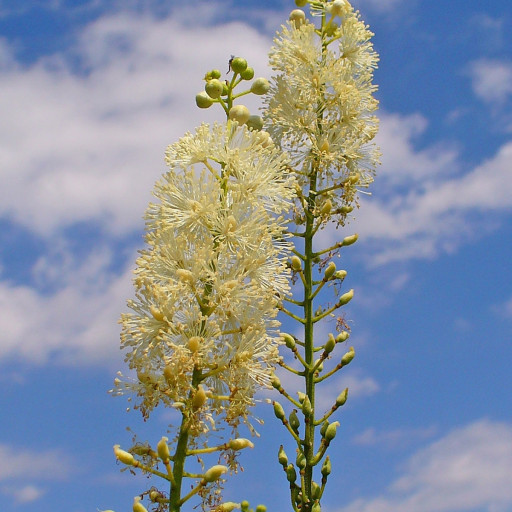
Often called "Fairy Candles" for its luminous white spikes, Actaea racemosa is a woodland aristocrat native to the ancient forests of North America. Historically prized by indigenous tribes for its medicinal properties, it brings a hauntingly beautiful, architectural elegance to the darker corners of the garden where other plants might struggle.
🔍 How to Identify
- 🕯️ Flower Spikes: Long, slender "candles" covered in tiny, fuzzy white blossoms that bloom from bottom to top, appearing to glow in the twilight.
- 🌿 Foliage: Large, deeply lobed, and serrated dark green leaves that form a dense, fern-like mound at the base.
- 📏 Stature: A statuesque perennial that can tower up to 8 feet tall, standing well above most other shade-loving plants.
🏡 In Your Garden
- 🪵 The Woodland Vibe: This plant craves the "Goldilocks" zone—dappled shade and consistently moist, rich soil. It is the perfect companion for Hostas and Ferns in a dedicated shade garden.
- 🛑 Commitment Issues: Because of its deep taproot, it absolutely hates being moved once established. Pick its permanent home carefully, or it may refuse to bloom for several seasons out of spite.
⚠️ Safety & Toxicity
- 🚫 Toxic Assessment: Generally considered toxic to both humans and pets if ingested in its raw state.
- 🐾 Pet Safety: Contains compounds that can cause digestive distress, tremors, or more serious heart issues in cats, dogs, and especially horses.
- 👩⚕️ Human Caution: While widely sold as a herbal supplement for hormonal balance, the raw berries and roots are poisonous. Contact with the sap may also cause mild skin irritation in sensitive individuals.
✨ Fun Fact
- 🦟 Nature’s Repellent: One of its common names, "Bugbane," comes from its distinct, slightly medicinal odor. While humans usually find the scent faint, it is remarkably effective at repelling gnats and flies, making it a functional addition to a backyard patio border.

Detailed Care Instructions
To grow Actaea racemosa, also known as black cohosh or black bugbane, follow these steps:
- Planting: Choose a suitable location that receives partial shade to full shade, as Actaea racemosa prefers filtered sunlight. The soil should be fertile, moist, and well-draining. Plant the seeds or seedlings in early spring or fall when the soil is workable.
- Soil preparation: Prepare the soil by amending it with organic matter such as compost or well-rotted manure. This will improve drainage and provide necessary nutrients. Ensure a pH level between 5.5 and 6.5.
- Spacing: Allow enough space between each plant, as Actaea racemosa requires room to spread and grow. Space them 2 to 3 feet apart.
- Watering: Keep the soil consistently moist but not waterlogged. Actaea racemosa prefers moist conditions, so regular watering is essential, especially during dry periods. Mulching around the plant can help retain moisture.
- Fertilization: Apply a balanced fertilizer in early spring and mid-summer to promote healthy growth. Follow the instructions on the fertilizer packaging for the correct application rates.
- Maintenance: Remove any weeds that compete with the plant for nutrients and water. Actaea racemosa is relatively low maintenance, but regular monitoring for pests and diseases is recommended. It is generally not a highly prone plant to such issues.
- Division: After several years, Actaea racemosa can become crowded. Divide the plant in early spring or fall by carefully lifting the clump, separating it into smaller sections, and replanting them at the same depth.
- Harvesting: Actaea racemosa root is primarily harvested for its medicinal properties. It usually takes 3-4 years for the roots to mature. Harvest them in late fall or early spring when the plant is dormant. Carefully dig up the roots and wash them before drying them in a well-ventilated area.
Remember to consult local gardening resources or experts for specific advice tailored to your region, as climate and conditions can vary.

Place in a bright room that is sun drenched almost all day. Or directly in a south-facing window.

When it comes to watering this particular plant, it is recommended to keep the soil consistently moist. However, it is important to not overwater the plant as this could lead to root rot. It is recommended to water the plant deeply but infrequently, allowing the top inch of soil to dry out between waterings. It is also important to water at the base of the plant rather than directly on the leaves to prevent disease. During periods of drought or hot weather, the plant may require more frequent watering.
To fertilize this plant, use a balanced fertilizer with a N-P-K ratio of 10-10-10 or 20-20-20. Apply the fertilizer in early spring before new growth appears and again in mid-summer. Use a slow-release granular fertilizer or a liquid fertilizer diluted according to package instructions. Always follow the recommended application rates and apply evenly around the base of the plant, avoiding direct contact with the stems and foliage. Water thoroughly after fertilizing.
Actaea Racemosa plant prefers to grow in well-drained soil that is rich in organic matter. The soil should be slightly acidic, with a pH range of 5.5 to 6.5. It is important to avoid heavy clay soils that may cause water-logging, as this can lead to root rot. A good option is a loamy soil that allows for proper water drainage while retaining enough moisture for the plant's needs. It is also important to keep the soil consistently moist, but not waterlogged, as the Actaea Racemosa plant requires regular watering to thrive. Organic fertilizers such as compost or well-rotted manure can be added to the soil to provide additional nutrients for the plant's growth.
To propagate this plant, take a healthy stem cutting from a mature plant during its dormant season. Make sure the cutting is at least six inches long and has a few nodes on it. Remove all the leaves from the bottom third of the stem and dip the cut end into rooting hormone.
Plant the stem cutting in a well-draining potting mix, burying its bottom third in the soil. Keep it in a warm, humid location, and water it well. After a few weeks, new roots should start to form.
Once the plant has established roots and new growth is showing, you can transplant it into a larger container or into your garden bed. Be sure to keep the soil moist for the first few weeks to help the new plant root successfully.








