Plant Overview
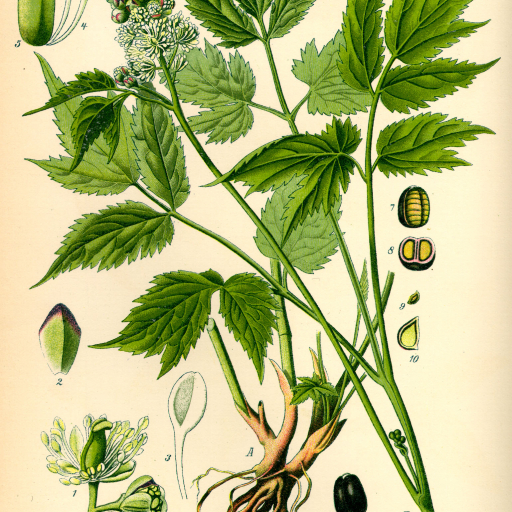
Known as "Herb Christopher" or the "Baneberry," Actaea spicata is a mysterious denizen of ancient European woodlands. Often found tucked away in the cool shadows of limestone cliffs, this perennial is prized by native plant enthusiasts for its elegant, feathery foliage and striking—yet dangerous—inky berries. While it brings a touch of wild drama to shade gardens, it carries a dark reputation as its "Bane" name suggests.
🔍 How to Identify
- 🍃 Lush Foliage: The leaves are large, compound (bipinnate), and sharply toothed, closely resembling the foliage of an Astilbe or a wild Elderberry.
- ☁️ Cloud-like Blooms: In late spring, it produces short, upright spikes of tiny, fluffy white flowers that seem to "glow" in the dim light of the forest floor.
- 🖤 Ink-Black Berries: The most defining feature is the cluster of glossy, pea-sized black berries that replace the flowers in late summer, held on thin green stalks.
🏡 In Your Garden
- 🌑 The Shade Seeker: This plant is a true "sciophyte," meaning it thrives in deep shade where most flowering plants struggle. It is the perfect candidate for those "dead zones" under heavy tree canopies.
- 🦴 The Limestone Lover: Unlike many woodlanders that prefer acidic soil, Actaea spicata specifically craves alkaline (lime-rich) environments. If your soil is too acidic, it may fail to thrive.
- 🐌 Resilient Nature: Once established, it is incredibly hardy and long-lived. It rarely suffers from pests, as its natural toxicity makes it unpalatable to most garden grazers like deer or rabbits.
⚠️ Safety & Toxicity
- 🚫 Highly Poisonous: Every part of this plant contains cardiogenic toxins, with the berries and roots being the most potent. Never ingest any part of this plant.
- 💓 Cardiac Risk: Ingestion can cause a severe sedative effect on the heart and lead to respiratory failure. Because the black berries look like edible wild fruit, they pose a significant risk to curious children.
- 🧤 Skin Irritation: The sap contains irritants that can cause redness or even painful blistering. It is highly recommended to wear gloves when pruning or dividing the plant.
✨ Fun Fact
In medieval times, despite its deadly nature, the juice from the berries was used to create a permanent black ink and dye. It was also named "Herb Christopher" because it often flowered around the feast day of Saint Christopher in late July.

Detailed Care Instructions
To grow Actaea spicata plants, also known as baneberry or black cohosh, follow these steps:
- Choose a suitable location: Actaea spicata prefers partially shaded areas with moist, well-draining soil. It can tolerate full shade but may not flower as abundantly.
- Prepare the soil: Amend the soil with organic matter, such as compost or well-rotted manure, to improve fertility and drainage. Actaea spicata prefers slightly acidic soil with a pH between 6.0 and 6.5.
- Planting: Dig a hole that is slightly larger than the root ball of the plant. Place the plant in the hole, ensuring that the crown is level with or just slightly above the soil surface. Backfill the hole with soil, gently firming it around the roots.
- Watering: Keep the soil consistently moist but not waterlogged, especially during the plant's establishment period. Actaea spicata plants thrive in moist conditions, so regular watering is important.
- Mulching: Apply a layer of organic mulch, such as wood chips or leaf litter, around the base of the plant to retain moisture and suppress weed growth. Mulching also helps to maintain a cool root environment.
- Fertilizing: Actaea spicata does not require frequent fertilization. However, you can apply a balanced, slow-release fertilizer in spring to provide a nutrient boost. Follow the manufacturer's instructions for dosage and application guidelines.
- Pruning: Remove any dead or damaged foliage as soon as possible to maintain the plant's appearance and overall health. Actaea spicata plants do not require extensive pruning but can be trimmed back in late fall after the foliage has died back.
- Division: Actaea spicata plants can be divided every 3-4 years in early spring or late summer. Dig up the plant, carefully separate the roots into smaller clumps, and replant them at the desired location. This process helps rejuvenate the plant and promote better growth.
- Pest and disease control: Actaea spicata is relatively resistant to pests and diseases. However, occasional aphid infestations or fungal diseases may occur. Monitor the plant regularly and treat with appropriate organic insecticides or fungicides if necessary.
By following these guidelines, you can successfully grow Actaea spicata plants, enjoying their beautiful flowers and foliage in your garden.

Place in a window with dappled sun or a spot in the middle of a room. Or directly in a window facing west or east.

Water the plant regularly, but make sure not to overwater. It prefers moist soil, but roots can rot if left in standing water. Water from the base of the plant and avoid getting water on the leaves. Check the soil moisture level by inserting a finger into the soil. If it feels dry, water the plant. In dry weather conditions, you may need to water the plant more frequently. However, in rainy weather, reduce the frequency of watering. Be careful not to let the plant completely dry out, especially during the summer months.
To fertilize this plant, use a balanced, slow-release fertilizer in early spring before new growth begins. Apply the fertilizer evenly around the base of the plant and water thoroughly afterward. Avoid over-fertilizing, as it can lead to excessive growth and reduce the plant's overall health. Consider adding organic matter, such as compost or aged manure, to the soil to improve its nutrient content and support healthy growth.
Actaea Spicata plant thrives best in moist, well-drained soil that is rich in organic matter and has a slightly acidic pH level. The soil should be loamy and have a good amount of porosity to allow for adequate air circulation around the roots. It is important to avoid soil that is too dense or heavy, as this can lead to waterlogging and root rot. A good soil mix for Actaea Spicata typically contains a mixture of compost, peat moss, and sand to provide the ideal growing conditions for the plant. Additionally, the soil should be kept consistently moist throughout the growing season, as Actaea Spicata prefer damp conditions.
To propagate this plant, first, select a healthy and mature plant with established roots. Then, cut off a portion of the stem with a sharp and clean pair of pruning shears. Make sure the cutting has at least one node or bud.
Next, prepare a small pot with good quality soil mix and moisten it. Dip the bottom end of the cutting into rooting hormone powder and gently tap off any excess. Then, make a small hole in the soil with a pencil or your finger and place the cutting in the hole.
Cover the cutting with a clear plastic bag or container to create a mini greenhouse environment that will help retain moisture and heat. Place the pot in a warm and bright spot, but not in direct sunlight.
Keep the soil moist but not too wet, and remove the plastic cover for a few minutes every day to allow air circulation. After a few weeks, check for signs of new growth and roots. Once the cutting has established roots and is growing well, it can be transplanted to a larger pot or planted in the ground.








