Plant Overview
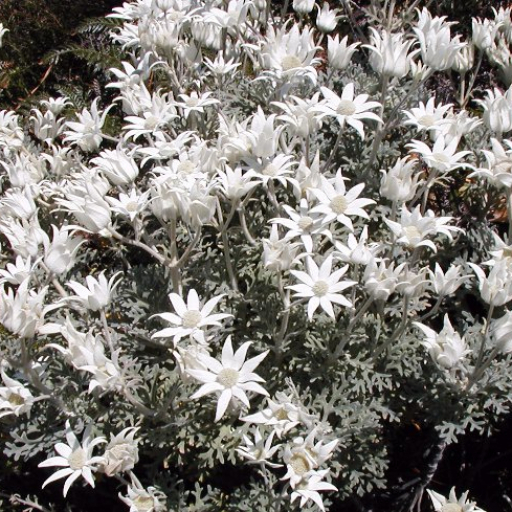
Meet the Flannel Flower, a true icon of the Australian bush that looks and feels like it was crafted from a piece of soft, velvet fabric. Despite its delicate, boutique appearance, this resilient native is a survivor, often springing up in abundance after bushfires. While it resembles a daisy, it is actually a surprising relative of the carrot and parsley family, making it a unique conversation starter for any garden.
🔍 How to Identify
- ☁️ The Texture: The entire plant—stems, leaves, and flowers—is covered in fine, soft white hairs, giving it a distinct woolly or "flannel" feel.
- 🌼 The "Flowers": What look like white petals are actually creamy-white bracts (modified leaves) with green tips, surrounding a dense center of tiny, true flowers.
- 🌿 The Foliage: The leaves are deeply lobed and have a stunning silvery-grey or dusty-green hue that contrasts beautifully against darker garden plants.
🏡 In Your Garden
- 🌱 Root Sensitivity: The Flannel Flower is famous for its "look but don't touch" root system. It develops a sensitive taproot and resents being moved, so it is best to plant it in its "forever home" or a large, permanent pot rather than transplanting it later.
- ☀️ Drainage is Key: In the wild, these plants thrive in sandy, coastal soils. If your garden has heavy clay, they will struggle; they require exceptionally sharp drainage and plenty of sunlight to prevent the velvety stems from rotting.
⚠️ Safety & Toxicity
- 🟢 Low Toxicity: The Flannel Flower is generally considered non-toxic to humans and common household pets like cats and dogs.
- 🧤 Skin Sensitivity: While not poisonous, the fine hairs that give the plant its "flannel" feel can occasionally cause minor skin irritation or "itchiness" in people with sensitive skin. Wearing gloves while pruning is a good precaution.
✨ Fun Fact
Despite its daisy-like looks, if you look closely at the very center of the "flower," you'll see it is actually an umbel—the same structure found on Queen Anne's Lace or a dill plant!

Detailed Care Instructions
To grow Actinotus helianthi, also known as the Flannel Flower, follow these steps:
- Climate: Actinotus helianthi is native to Australia and is best suited for a temperate climate. It thrives in well-drained soils with full sun exposure.
- Propagation: The plant can be propagated from seeds. Soak the seeds in water for 24 hours before sowing.
- Soil Preparation: Prepare a well-draining soil mixture by combining equal parts of sand and potting mix. Flannel Flowers prefer slightly acidic to neutral soil pH.
- Planting: Sow the seeds on the surface of the soil mixture and lightly cover them. Keep the soil evenly moist until germination occurs, which usually takes 2-3 weeks.
- Watering: Once established, Flannel Flowers have low water needs. Water them deeply once a week or when the top inch of soil feels dry. Avoid overwatering, as it can lead to root rot.
- Pruning: Prune Flannel Flowers after flowering to remove dead or damaged parts and promote a compact, bushier growth. This will also encourage more flowering in the next season.
- Fertilization: Apply a slow-release fertilizer in spring to provide essential nutrients. Follow the packaging instructions for the correct dosage.
- Pests and Diseases: Flannel Flowers are generally resistant to pests and diseases. However, keep an eye out for common garden pests like aphids or snails. If necessary, use organic pest control methods.
- Support: Actinotus helianthi can grow up to 1 meter (3 ft) in height and might require support to prevent flopping. Place a plant stake or trellis near the plant and tie the stems gently for support.
- Mulching: Apply a layer of organic mulch around the base of the plant to retain moisture, suppress weed growth, and regulate soil temperature.
Remember to research and respect any local regulations on growing Actinotus helianthi.

Place in a bright room that is sun drenched almost all day. Or directly in a south-facing window.

Actinotus Helianthi is a delicate plant that requires a specific watering technique to thrive. To water this plant, you should first ensure that the soil is dry to a depth of about an inch before watering. When watering, use a gentle stream of water and avoid getting water on the foliage. Water the soil evenly, making sure to saturate it but avoid overwatering and causing water to collect at the base of the plant. Finally, allow the soil to drain and make sure there is no standing water in the pot or container. It is important to water this plant regularly, but allow the soil to dry out between waterings to prevent root rot and fungal growth.
To fertilize this plant, use a balanced fertilizer with a ratio of 10-10-10 or 20-20-20. Apply the fertilizer at a rate of 1 tablespoon per gallon of water and water the plant thoroughly after applying. Fertilize once a month during the growing season (spring and summer) and reduce the frequency to once every 2 months during the dormant season (fall and winter). Avoid over-fertilizing as this can lead to burning of the roots and foliage.
To ensure the healthy growth of Actinotus Helianthi, it is recommended to use a well-draining soil that is rich in organic matter. It should be slightly acidic, with a pH range of 5.5 to 6.5. The soil should be loose, airy, and able to retain moisture without becoming waterlogged. It is also essential to avoid using heavy clay soils, as they can impede proper root growth and drainage. The use of a high-quality potting mix or a blend of loamy soil, peat moss, and sand is ideal for this plant. Adding a layer of mulch on top of the soil can help conserve moisture and regulate soil temperature. Additionally, regularly fertilizing the plant with a balanced fertilizer at least once a month during the growing season can provide the necessary nutrients for optimal growth.
To propagate this plant, you can collect seeds from mature plants or take stem cuttings from new growth. Seeds should be sown in a well-draining soil mix and kept moist until they germinate. Stem cuttings can be taken and rooted in water or soil, using rooting hormone to encourage rooting. Once the new plants have rooted and grown to a sufficient size, they can be transplanted into their own pots or into the garden. The plant prefers full sun to part shade and well-draining soil. Water regularly but do not let the soil become waterlogged. Fertilize with a balanced fertilizer every few months to keep the plant healthy and producing new growth.








