Plant Overview
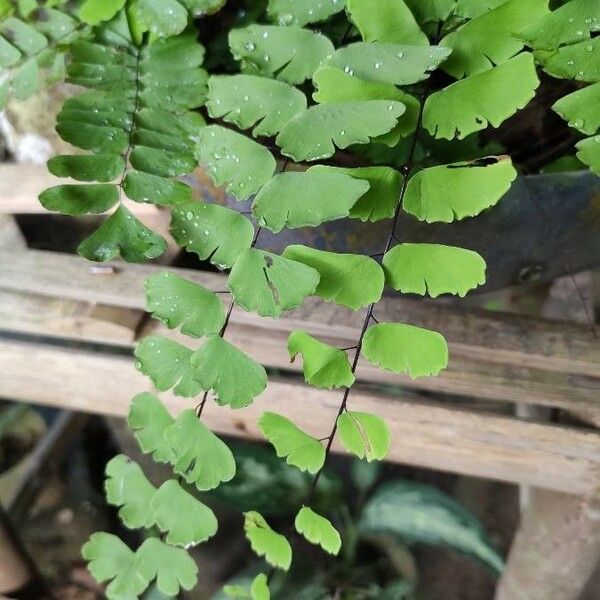
The Large-leaf Maidenhair Fern (Adiantum macrophyllum) acts as the bold, structural cousin to the more common, delicate maidenhairs. While most of its relatives are known for tiny, lacy foliage, this tropical beauty produces large, leathery, triangular leaflets that look almost like overlapping scales. It is most famous for its "sunset" transition, where new fronds emerge in a stunning shade of dusty rose or bronze before maturing into a deep, lush green.
🔍 How to Identify
- 🌿 The Leaflets: Unlike the tiny "shredded" look of other ferns, these leaflets are large, flat, and roughly triangular or trapezoidal, arranged in pairs along the stem.
- 🌑 The Stems: It features the signature Adiantum "wire"—polished, ebony-black stems that provide a sharp, elegant contrast to the bright foliage.
- 🎨 The Color Shift: Look for the "new growth" glow. Fresh fronds are a distinct pinkish-copper color, which is the easiest way to tell this species apart from other large-leaved ferns.
🏡 In Your Garden
- ☁️ Humidity is King: This fern is a true rainforest native from Central and South America. It thrives in high humidity and will develop "crispy" brown edges almost immediately if the air is too dry or if it sits in a draft.
- 💧 The "Goldilocks" Soil: Because it lacks a deep taproot, it prefers consistently moist, well-draining soil. It hates "wet feet" (sitting in water), but it will pout and drop leaves if the soil ever dries out completely.
- 🌤️ Dappled Light: In the wild, it lives on the forest floor. In your home, it craves bright, indirect light. Direct afternoon sun will scorch the large, sensitive leaves.
⚠️ Safety & Toxicity
- ✅ Status: Non-toxic and safe.
- 🐾 Details: This fern is generally considered safe for households with cats, dogs, and curious children. It contains no known irritants or toxins, making it a perfect "worry-free" addition to a low-light room.
✨ Fun Fact
The genus name Adiantum is derived from the Greek word "adiantos," which means "unwetted." If you submerge a leaf in water or pour water over it, the droplets will bead up and roll right off, leaving the leaf completely dry to the touch!

Detailed Care Instructions
To grow an Adiantum Macrophyllum plant, also known as the large-leafed maidenhair fern, follow these steps:
- Light: Place the plant in a location with bright, indirect light. Avoid direct sunlight, as it can scorch the delicate fronds.
- Temperature: Keep the plant in a warm environment with temperatures between 70-75°F (21-24°C). Avoid exposing it to cold drafts or sudden temperature changes.
- Humidity: Maidenhair ferns prefer higher humidity levels. Place a humidifier near the plant or create a humid microclimate by placing the pot on a tray filled with water, making sure the water level doesn't reach the bottom of the pot.
- Watering: Keep the soil evenly moist but not waterlogged. Let the top inch of soil dry slightly between waterings but do not allow the plant to completely dry out. Overwatering can lead to root rot, while underwatering can cause the leaves to wilt.
- Soil: Use a well-draining potting mix that retains some moisture. A mixture of peat moss, perlite, and sand is suitable for maidenhair ferns.
- Fertilizer: Feed the plant with a balanced liquid fertilizer diluted to half the recommended strength once a month during the growing season (spring and summer).
- Potting and repotting: Provide a container with good drainage and repot the plant annually in spring or early summer if it becomes root-bound. Choose a pot that is one size larger than the current one.
- Pruning: Trim dead or damaged fronds regularly. If the plant becomes too large or loses its shape, you can also prune back some of the older fronds to encourage new growth.
- Pests and diseases: Watch out for pests like mealybugs or aphids, which can occasionally infest the plant. Treat any infestations promptly with organic insecticidal soap or neem oil. Maidenhair ferns are generally resistant to diseases.
By following these guidelines, you should be able to successfully grow an Adiantum Macrophyllum plant.

Place in a dark room with little light, like a dark bedroom or a spot far away from a window or directly in a north-facing window.
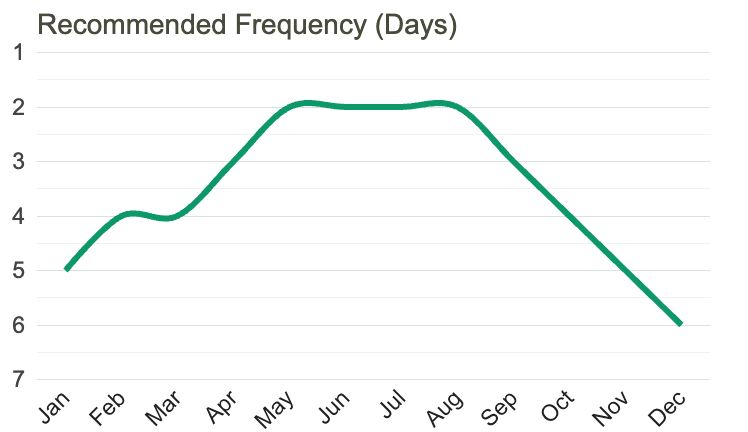
Adiantum Macrophyllum is a type of plant that requires specific watering instructions for proper care. To water this plant, you should first determine the moisture level in the soil by inserting your finger about one inch into the soil. If the soil is dry, it is time to water the plant.
When watering Adiantum Macrophyllum, you should use room temperature water. It is best to use filtered or distilled water to avoid any mineral buildup that can harm the plant. Slowly pour the water onto the soil around the plant, avoiding getting water on the leaves or fronds. Make sure to water until the water begins to drain out of the bottom of the pot, ensuring that the roots and soil have absorbed enough water.
After watering, it is important to allow the top layer of soil to dry out before watering again. Overwatering can cause root rot and harm the plant. It is also important to note that Adiantum Macrophyllum prefers high humidity levels, so misting the leaves occasionally can provide additional moisture for the plant. By following these watering guidelines, you can ensure that your Adiantum Macrophyllum stays healthy and vibrant.
To provide proper nutrients for this plant, it is recommended to use a balanced fertilizer with equal amounts of nitrogen, phosphorus, and potassium. Fertilize once a month during the growing season, starting in early spring and continuing through the fall. Dilute the fertilizer with water according to the manufacturer's instructions and apply around the base of the plant. It is important not to over-fertilize, as this can lead to burned or damaged roots.
The ideal soil for this plant should be well-draining and have a slightly acidic pH level, between 5.5 and 6.5. It should also be rich in organic matter and nutrients, such as compost or peat moss. This plant prefers moist soil, so it is important to ensure the soil retains moisture without becoming waterlogged. Adding perlite or coarse sand to the soil can improve drainage and prevent waterlogging.
Adiantum macrophyllum is a fern that can easily be propagated through vegetative means. To propagate this plant, you can take cuttings from the mother plant. To do this, use clean, sharp scissors to take healthy fronds that are around six inches long. Be sure that the fronds are free of any damage or disease.
Once you have your cuttings, remove the lower leaves from each stem to expose a small section of bare stem. This will be where the roots will form. Dip the bare end of each stem into rooting hormone powder, then plant each stem into a pot or container filled with well-draining soil. Water well and cover the pot with a clear plastic bag to create a mini greenhouse environment.
Place the pot in a bright, indirect light location and keep the soil moist but not soggy. After a few weeks, you should start to see new growth emerging from the top of the stems, which is a sign that roots have formed. Once the new fronds are well established, you can transplant each cutting into its own pot or into a larger planter with other Adiantum macrophyllum plants.








