Plant Overview
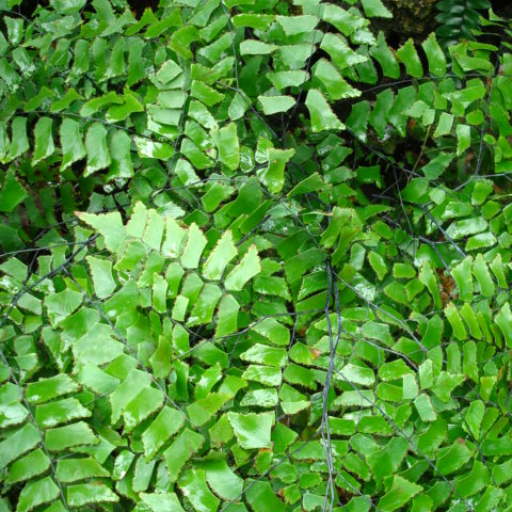
Commonly known as the Giant Maidenhair Fern or the Diamond Maidenhair, this plant is the bold, architectural cousin of the more delicate common maidenhair. Native to the tropical rainforests of Mexico and Central America, it is prized for its large, geometric leaflets that flutter like green butterflies on dark, wiry stems. It brings an air of ancient, tropical elegance to any indoor collection, looking like something plucked straight from a prehistoric forest floor.
🔍 How to Identify
- 💎 The Leaflets: Unlike the tiny fronds of other ferns, these leaflets are large, distinct trapezoids (hence the name Trapeziforme), often reaching up to 2 inches in length.
- 🧵 The Stems: The stalks are remarkably thin, polished, and ebony-black, providing a sharp, sophisticated contrast to the bright lime-green foliage.
- 🌿 Growth Habit: It grows in an elegant, arching fountain shape, with fronds that can reach up to 3 feet long when the plant is mature and happy.
🏡 In Your Garden
- ☁️ Humidity is Non-Negotiable: Because of its rainforest heritage, this fern "breathes" through high humidity. If the air is too dry, the edges of those beautiful diamonds will turn brown and crisp almost overnight. A pebble tray or a nearby humidifier is its best friend.
- 🪴 The "No-Touch" Root Zone: This species is notoriously sensitive to being moved or repotted. It has a delicate rhizome system that hates being disturbed; only repot when the roots are literally pushing the plant out of its container, and even then, handle with extreme care.
⚠️ Safety & Toxicity
- 🐾 Status: Non-Toxic.
- 👶 Details: The Giant Maidenhair is generally considered safe for households with curious cats, dogs, and children. It does not contain known toxins, making it a perfect "worry-free" addition to a low-light shelf.
✨ Fun Fact
The genus name Adiantum is derived from the Greek word adiantos, which means "unwetted." If you dunk a frond into water or watch rain fall on it, the water beads up and rolls off instantly, leaving the leaf completely dry to the touch!

Detailed Care Instructions
To grow an Adiantum Trapeziforme plant, also known as the Dwarf Maiden Hair Fern, you can follow these steps:
- Choosing the right location: The plant prefers bright, indirect light. Place it near a north or east-facing window or in a spot with filtered sunlight. It should not be exposed to direct sunlight as it can scorch the delicate leaves.
- Providing the right temperature and humidity: Adiantum Trapeziforme prefers temperatures between 60-75°F (15-24°C) and high humidity. You can increase humidity by placing the plant on a tray with pebbles and water, using a humidifier, or misting the leaves regularly.
- Selecting the right pot and soil: Use a pot with drainage holes to prevent waterlogging. The plant prefers well-draining, porous soil. A mix of peat moss, perlite, and sand is suitable. Avoid soil that retains too much moisture.
- Watering correctly: Keep the soil consistently moist but not waterlogged. Water when the top inch of soil feels dry, but do not allow it to completely dry out. Avoid overwatering, which can lead to root rot.
- Fertilizing: Adiantum Trapeziforme benefits from occasional feeding. During the growing season (spring to early fall), use a balanced houseplant fertilizer diluted to half-strength every four to six weeks. Do not fertilize during the dormant period (late fall to winter).
- Managing humidity: As mentioned earlier, the plant prefers high humidity. You can achieve this by misting the leaves daily or placing a humidity tray nearby. Additionally, grouping the plant with other indoor plants can create a microclimate that increases humidity.
- Pruning and maintenance: Regularly remove any yellow or dead fronds by cutting them off at the base. This helps maintain the plant's overall health and appearance. Additionally, periodically remove dust from the leaves by gently wiping them with a damp cloth.
- Repotting: Adiantum Trapeziforme does not require frequent repotting. However, if you notice the plant becoming root-bound or the water draining too quickly, consider repotting it into a slightly larger pot with fresh soil.
By following these guidelines, you can successfully grow and care for an Adiantum Trapeziforme plant.

Place in a dark room with little light, like a dark bedroom or a spot far away from a window or directly in a north-facing window.
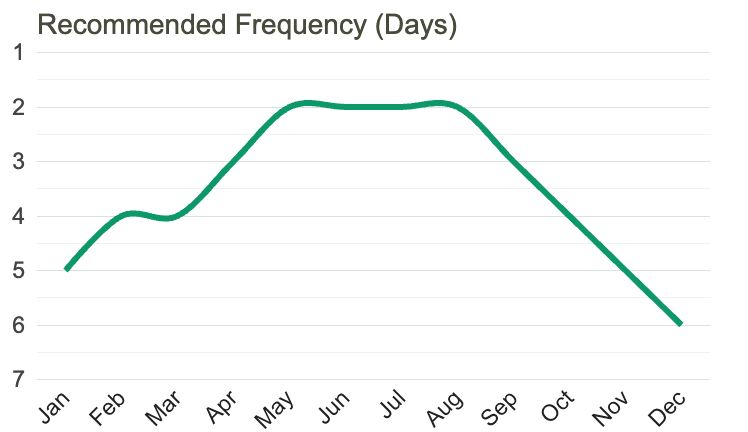
Adiantum Trapeziforme is a plant that requires the right amount and frequency of watering. To water this plant, you should ensure that the soil remains moist but not waterlogged. You can achieve this by watering the plant regularly but allowing the soil to drain properly.
It is recommended to water Adiantum Trapeziforme using room temperature water, preferably distilled or rainwater, to avoid the buildup of chemicals found in tap water. Watering from the bottom-up is the best method as it allows the roots to take up water as needed, but be sure not to let the pot sit in standing water for too long.
It is important to pay attention to the plant's environment, as plants in warmer temperatures and direct sunlight might require more frequent watering than those kept in a cooler environment. However, overwatering can be detrimental to this plant and can lead to root rot. Therefore, it is important to ensure the soil has drained completely before watering again.
Overall, providing the right amount of water is essential for the growth and health of Adiantum Trapeziforme, and with proper watering, it can thrive in any indoor environment.
To fertilize this plant, use a balanced liquid fertilizer once a month during the growing season (spring and summer). Dilute the fertilizer to half the recommended strength and apply it to damp soil. Avoid over-fertilization, as this can damage the delicate roots of this plant. Water the plant regularly and ensure that it is planted in well-draining soil.
Adiantum Trapeziforme plant prefers to grow in well-draining soil that is rich in organic matter. The ideal soil for this plant should be slightly acidic and have a pH range of 5.5-7.0. It should be moist but not waterlogged and should allow air to circulate freely. A soil mixture containing peat moss, perlite, and sand can provide the ideal growing conditions for this plant. It is important to avoid using heavy, compact soil as it can lead to root rot and other fungal diseases. Additionally, this plant is sensitive to chemicals, so it is important to avoid using fertilizers or other soil additives that contain synthetic chemicals. Organic fertilizers such as compost, worm castings, and fish emulsion can be used to provide nutrients to the plant without harming it.
Adiantum Trapeziforme is a fern species that can be propagated by spores or division of existing plants.
To propagate by spores, the fronds with mature spores need to be removed and dried for several days to allow the spores to release. The spores can then be sown in a sterile, moist growing medium and kept in a warm, humid location. Once the spores have germinated, they can be transplanted into individual pots and grown until they are large enough to be transplanted into larger containers or directly into the garden.
Propagation by division involves separating a healthy, established plant into smaller sections and replanting them in separate pots or directly into the garden. This can be accomplished by carefully removing the plant from its container or digging it up from the garden and gently separating the roots and dividing the plant into smaller sections. The new plants can then be planted in their desired location, being careful to keep the soil moist and providing adequate light and nutrients.








