Plant Overview
Known as Grains of Paradise, Alligator Pepper, or Melegueta Pepper, this West African native is a spice-bearing treasure with a rich history. Once so valuable that the West African coastline was dubbed the "Grain Coast" by European explorers, this plant is a close relative of ginger and cardamom. It offers a lush, tropical aesthetic paired with a spicy, citrusy aromatic profile that has been used in both gourmet cooking and traditional medicine for centuries.
🔍 How to Identify
- 🌿 Lush Foliage: The plant features long, narrow, lance-shaped leaves that grow in a graceful, fan-like arrangement, closely resembling a ginger or turmeric plant.
- 🌸 Low-Hanging Blooms: Unlike many garden plants, the trumpet-shaped, pale pink to orchid-colored flowers emerge from the base of the plant near the ground rather than on high stalks.
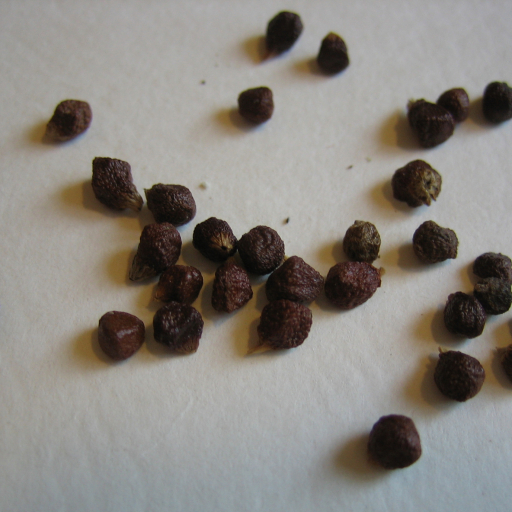
- 🌶️ Pebbled Pods: The seeds are housed in leathery, pear-shaped pods that turn from green to a deep, earthy red as they ripen, eventually revealing tiny, brownish-gold seeds inside.
🏡 In Your Garden
- ☁️ Tropical Humidity: Being a rainforest native, it thrives in high humidity and dappled sunlight. It is an excellent choice for a greenhouse or a humid "jungle corner" of a garden, as direct, scorching afternoon sun can bleach its leaves.
- 🪴 Rhizome Management: Like ginger, it grows from underground rhizomes. It prefers loose, organic-rich soil that stays moist but drains rapidly; sitting in soggy soil will quickly lead to root rot and the decline of the plant.
⚠️ Safety & Toxicity
- ✅ Human Safe: The seeds are widely used as a culinary spice and are generally recognized as safe for human consumption in normal food quantities.
- 🐾 Pet Caution: While not considered "deadly," the high concentration of pungent oils (gingerols and paradols) can cause significant stomach upset, drooling, or irritation if chewed on by curious cats or dogs.
- 🤚 Skin Sensitivity: Handling the crushed seeds or broken pods may cause mild irritation for those with sensitive skin due to the warming, peppery compounds.
✨ Fun Fact
The nickname "Alligator Pepper" comes from the unique texture of the seed pods; when they are dried, the skin becomes papery, wrinkled, and bumpy, resembling the tough, protective hide of an alligator!

Detailed Care Instructions
To grow Aframomum Melegueta, also known as Grains of Paradise or Melegueta Pepper, follow these steps:
- Climate: This plant thrives in tropical and subtropical regions. Ensure a warm climate with a temperature range between 20-30°C (68-86°F) all year round.
- Soil: The plant prefers well-draining soil with moderate fertility. A loamy soil mix with organic matter, such as compost or peat moss, is ideal. Maintain a slightly acidic to neutral pH level of 6.0-7.0.
- Planting: Sow the seeds about 1-2 cm (0.4-0.8 inches) deep in small pots or seed trays. Ensure the soil is consistently moist but not waterlogged. Use a propagation heat mat or warm location to maintain warmth.
- Germination: The seeds can take several weeks to germinate. Keep the soil moist and maintain a consistent temperature of around 25°C (77°F). Germination may be quicker with bottom heat.
- Transplanting: Once the seedlings have grown a few inches tall and developed a few leaves, carefully transplant them to larger pots or directly into the ground. Ensure a spacing of about 30-45 cm (12-18 inches) between plants.
- Light: Place the plants in a spot with full to partial sunlight. They need at least 4-6 hours of direct sunlight per day.
- Watering: Keep the soil consistently moist, but avoid overwatering, as waterlogged roots can cause root rot. Water whenever the top inch of soil feels dry to the touch.
- Fertilizer: Apply a balanced organic fertilizer every 3-4 weeks during the growing season to provide the necessary nutrients. Do not over-fertilize, as it can lead to excessive foliage growth and reduced fruit production.
- Pest and disease control: Monitor the plants for common pests like aphids, spider mites, and mealybugs. Treat infestations with organic pest control methods, such as neem oil or insecticidal soap. Keep an eye out for any signs of diseases like fungal leaf spot and treat as necessary.
- Harvesting: Aframomum Melegueta plants can take up to two years to start producing fruit. The fruit resembles small cardamom pods. Harvest them when they turn reddish-brown, usually in late summer or early fall. Dry the fruits in a warm, well-ventilated area for several days before storing.
Remember to check local regulations and restrictions before growing Aframomum Melegueta, as it is considered an exotic plant in some areas.
To care for the plant, it is important to provide adequate watering. You should ensure that the plant receives consistent moisture but is not left in standing water. Water the plant deeply once per week, but allow the soil to dry slightly between watering sessions. Adjust the watering frequency based on the weather and the humidity of your surroundings. If the air is dry, the plant may require more frequent watering. It is also important to provide good drainage to prevent the roots from rotting.
To fertilize this plant, choose a balanced, slow-release fertilizer and apply it according to the package instructions. During the growing season, which is typically in the spring and summer months, fertilize every two weeks. In the fall and winter, reduce fertilization to once a month or stop altogether. Be sure to not over-fertilize as this can lead to burning of the roots and damage to the plant. Additionally, always water the plant thoroughly before and after applying fertilizer to prevent fertilizer burn.
When planting the Aframomum Melegueta plant, it is recommended to use a soil that is well-draining and rich in organic matter. The soil should have a pH range between 5.5-7.5 to maintain optimal growth conditions. A mix of loam, sand, and compost can be used to create an ideal soil for the plant. It is important to avoid soils that are heavily compacted or waterlogged, as these can lead to root rot and other fungal diseases. Additionally, the plant requires regular fertilization with a balanced fertilizer to promote healthy growth and development. Overall, ensuring that the soil is nutrient-rich, well-draining, and pH balanced is crucial in providing the best growing environment for the Aframomum Melegueta plant.
To propagate the plant, take a healthy stem cutting from a mature plant using a pair of sterilized pruning shears. Make the cut at a 45-degree angle just below a node, which is where a leaf meets the stem. Remove any leaves from the lower two-thirds of the cutting, leaving just a few at the top. Place the stem cutting in a glass of water or a rooting hormone solution to encourage root growth. Keep the cutting in a warm, humid environment with indirect light until roots have formed. Once rooted, transplant the cutting to a pot filled with well-draining soil and keep it at a warm, bright location but away from direct sunlight. Water the plant regularly, but don't let the soil become waterlogged. The newly propagated plant should begin to grow and mature within a few months.








