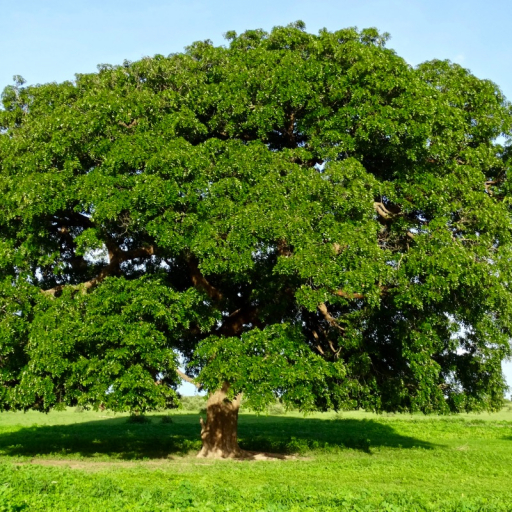
Plant Overview
Known as the "African Mahogany" or the "Lucky Bean Tree," Afzelia africana is a towering symbol of the African savanna and dry forests. This majestic tree is celebrated not only for its incredibly durable, termite-resistant wood but also for its beautiful, glossy seeds that look like hand-painted beads. In many West African cultures, it is a tree of great importance, providing shade, medicine, and "charms" for good luck.
🔍 How to Identify
- 🌿 The Foliage: It features large, compound leaves made up of several pairs of oval leaflets. The leaves have a distinctive glossy finish that helps the tree reflect intense tropical sunlight.
- 🌸 The Single-Petal Flower: Unlike most flowers, its blooms are unique and minimalist. They consist of a single, fragrant, greenish-white petal streaked with reddish-pink veins.
- 🖤 The "Lucky" Seed Pods: The most iconic feature is the thick, woody, black pods. When they burst open, they reveal striking jet-black seeds partially covered by a bright orange or waxy red "cap" (aril).
🏡 In Your Garden
- 🌳 Deep Roots: If you are planting one, choose its forever home carefully. It develops a very deep taproot early on to survive droughts, which means it resents being transplanted once it has settled into the soil.
- ☀️ Sun Seeker: This tree thrives in full, uncompromising sun. While it can tolerate poor, sandy soils, it requires excellent drainage to prevent root rot during rainy periods. It is an excellent choice for a large "legacy" shade tree in warmer climates.
⚠️ Safety & Toxicity
- 🟢 Status: Generally non-toxic to touch, but the seeds require caution.
- 👶 Choking Hazard: While the seeds are often used in jewelry and crafts, they are extremely hard and small enough to be a serious choking hazard for curious toddlers or pets.
- 💊 Medicinal Potency: While the bark and leaves are used in traditional African medicine, they contain potent phytochemicals and should never be ingested without professional guidance.
✨ Fun Fact
The wood of Afzelia africana is so dense and durable that it is traditionally used to build dugout canoes and bridges. It is one of the few woods that is naturally resistant to "shipworms" (marine borers), making it a historical favorite for ship-building!

Detailed Care Instructions
To grow Afzelia Africana, also known as the African mahogany or lovoa trichilioides, you can follow these steps:
- Obtain viable seeds: Afzelia Africana produces large, woody seed pods that contain several seeds. Harvest the seeds from mature pods or purchase them from a reputable seed supplier.
- Preparing the seeds: Soak the seeds in warm water for 24 hours to soften the hard seed coat and enhance germination.
- Seed treatment: To further improve germination rates, the seeds can be scarified. Gently file or nick the seed coat to allow water absorption and to help the seedling emerge.
- Germination: Place the scarified seeds in a seed tray or small pots filled with well-draining potting soil. Bury the seeds about 1-2 cm deep. Water the soil thoroughly and keep it moist but not waterlogged.
- Ideal conditions: Afzelia Africana thrives in warm, tropical climates. Provide ample sunlight or partial shade for the seedlings. The ideal temperature for growth is between 20-30°C (68-86°F).
- Watering: Keep the soil consistently moist but avoid overwatering, as it can cause root rot. Water the seedlings when the top inch of soil feels dry to the touch.
- Fertilization: Once the seedlings have developed their first set of true leaves, you can start feeding them with a balanced, slow-release fertilizer. Follow the instructions on the fertilizer packaging for proper dosage.
- Transplanting: After the seedlings have grown to a suitable size (around 6-10 inches tall), they can be transplanted into larger containers or directly into the ground if the climate is suitable.
- Planting location: Choose a sunny or partially shaded location with well-draining soil. Afzelia Africana prefers a slightly acidic to neutral soil pH, around 6-7.
- Regular care: Water the plants regularly, especially during dry periods, to help establish their root system. Mulching around the base of the plants can help retain soil moisture and suppress weed growth.
- Pruning: Afzelia Africana generally has a naturally attractive shape and does not require excessive pruning. However, you can prune diseased or damaged branches to maintain plant health and aesthetics.
- Patience: Afzelia Africana is a slow-growing tree, and it may take several years for it to reach maturity and start producing its iconic seed pods.
Remember to consult local experts or gardeners familiar with your specific climate and conditions for additional guidance and advice tailored to your location.
To water this particular species of plant, you should moisten the soil surrounding it by gently pouring water at the base of the stem. You should make sure to avoid getting the leaves or flowers wet, as excess moisture can cause damage to the plant. The frequency of watering will depend on the climatic conditions and the level of humidity in the air. In general, it is recommended to water the plant once a week during the growing season and less frequently during the dormant period. You should also make sure that the soil has adequate drainage to prevent waterlogging, which can harm the roots of the plant. Additionally, it is crucial to avoid overwatering the plant, as this can lead to rotting of the root system.
To fertilize this plant, use an all-purpose fertilizer with a 10-10-10 NPK ratio. Apply the fertilizer to the soil around the base of the plant, taking care not to touch the leaves or stems. Water the plant well after fertilizing. It is recommended to fertilize once every four to six weeks during the growing season (spring and summer). During the dormant season (fall and winter), do not fertilize.
Afzelia Africana plant prefers well-draining soil that is rich in nutrients and organic matter. The soil should be slightly acidic to neutral, with a pH range of 5.5 to 7.5. It is recommended to use a mix of sand and soil, with a ratio of 1:1. The sand helps to improve drainage, while the soil provides nutrients and organic matter. Adding compost or organic fertilizers to the soil mix can also help to improve soil fertility. It is important to avoid using heavy clay soils, as they can lead to waterlogging and root rot. Additionally, the plant prefers soils that are moist but not waterlogged, so proper drainage is crucial to the plant's health.
There are various methods to propagate Afzelia Africana plants. One way is through seed propagation. To do this, one should obtain mature seeds from a healthy Afzelia Africana plant. The seeds should be cleaned and soaked in warm water for 24 hours to help soften the seed coat and increase germination rate. After soaking, the seeds can be planted in well-draining soil in a pot or in a prepared seedbed. It is important to keep the soil moist but not waterlogged until the seedlings emerge. Once the seedlings have reached a sufficient size, they can be transplanted to their permanent planting spot.
Another way to propagate Afzelia Africana is through stem cuttings. To do this, one should select healthy stem cuttings from the parent plant that have at least two nodes. The cuttings should be treated with rooting hormone to encourage root development and then planted in a well-draining soil mix. It is important to keep the soil moist, but not waterlogged, and to provide shade for the cuttings until they have rooted and started to grow.
Finally, Afzelia Africana can also be propagated through grafting or budding. This involves cutting a small piece of the desired plant variety, known as the scion, and attaching it to the rootstock of a different plant that provides the root system. This method is more complex and requires more skill, but it can result in quicker growth and higher quality plants.








