Plant Overview
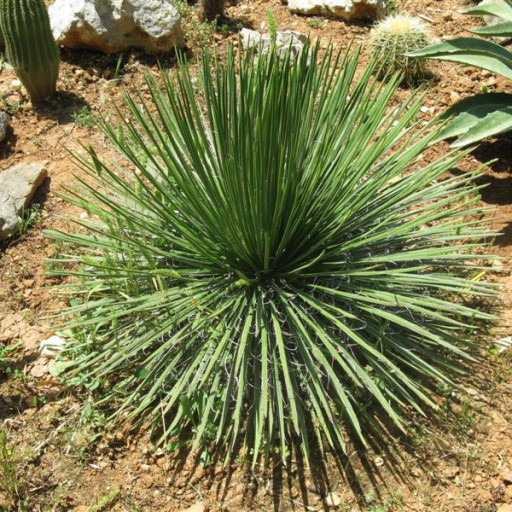
The Agave geminiflora, affectionately known as the "Twin-flowered Agave," looks more like a burst of green fireworks or a friendly sea urchin than a typical succulent. Originating from the oak woodlands of Mexico, this plant is celebrated for its perfectly symmetrical, rounded shape. Unlike its broader-leaved cousins, it offers a soft, architectural elegance that fits beautifully in modern minimalist gardens or stylish patio containers.
🔍 How to Identify
- 🌿 The Foliage: Hundreds of narrow, dark green, needle-like leaves radiate from a central point, forming a dense, perfectly spherical rosette.
- 🧶 The Filaments: Look closely at the leaf edges; you’ll often see thin, white, curly "hairs" or threads peeling away, giving the plant a slightly fuzzy, textured appearance.
- 📏 The Tips: Each leaf ends in a sharp, terminal spine that is usually dark brown or grey, though the leaves themselves are surprisingly flexible compared to other Agaves.
🏡 In Your Garden
- 🏜️ Low-Maintenance Legend: This Agave is incredibly drought-tolerant once established. It thrives on a "soak and dry" routine, as it hates sitting in soggy soil which can quickly lead to root rot.
- ☀️ Light Flexibility: While it loves the sun, it is more shade-tolerant than many other Agave species. This makes it a versatile choice for spots that get filtered afternoon light or "bright indirect" spots on a balcony.
- 🪴 The Grand Finale: This is a monocarpic plant, meaning it blooms only once at the end of its life (usually after 10–15 years). It sends up a magnificent 12-foot spike before finally setting seed and passing away.
⚠️ Safety & Toxicity
- 🌵 Physical Hazard: While the leaves are narrower and softer than the "Century Plant," the tips are still very sharp. It is best to keep it away from knee-height near narrow walkways.
- 🧪 Sap Sensitivity: The internal sap contains calcium oxalate crystals. If a leaf is broken, the fluid can cause skin irritation or a burning sensation for humans and pets.
- 🐾 Pet Safety: It is considered mildly toxic to dogs and cats if chewed, leading to mouth irritation and stomach upset. It’s best kept in a sturdy pot out of reach of curious nibblers.
✨ Fun Fact
The name geminiflora literally translates to "twin-flowered." This refers to the plant's unique habit of producing its flowers in distinct pairs all the way up its massive blooming stalk!

Detailed Care Instructions
| Soil Ph | Acidic, Neutral |
| Humidity | Dry |
| Lighting | Full Sun |
| Toxicity | Poisonous |
| Soil Type | Sandy, Well-Drained |
| Difficulty | Easy |
| Plant Type | Succulent |
| Mature Size | 2 To 3 Ft. Tall |
| Native Area | North America, Central America, South America |
| Temperature | 18°C - 24°C |
| Sun Exposure | Full Sun To Partial Shade |
| Hardiness Zones | 8-9 |
To grow Agave Geminiflora plant, follow these steps:
- Location: Choose a well-draining location that receives plenty of sunlight. Agave Geminiflora thrives in full sun but can tolerate partial shade.
- Soil: Use well-draining soil with good porosity. Sandy or rocky soil with good drainage is ideal for Agave Geminiflora. Avoid heavy clay soils that retain moisture.
- Planting: Dig a hole that is twice as wide and deep as the root ball of the plant. Place the Agave Geminiflora in the hole, ensuring the top of the root ball is level with the soil surface. Backfill the hole with soil and gently firm it around the plant.
- Watering: Initially, water the plant deeply to settle the roots. After that, water sparingly. Agave Geminiflora is drought-tolerant and does not require frequent watering. Water only when the soil is dry, about once every two to three weeks.
- Fertilizer: Agave Geminiflora doesn't require much fertilizer. Apply a balanced, slow-release fertilizer during the growing season, following the instructions on the packaging. Avoid over-fertilization as it can lead to weak growth.
- Pruning: Agave Geminiflora doesn't require extensive pruning. Remove any dead or damaged leaves as needed. Be cautious of its sharp thorns while handling it.
- Protection: Ensure the plant is protected from extreme cold temperatures, especially if you live in a frost-prone area. Provide shelter or cover the plant during freezing conditions.
- Propagation: Agave Geminiflora can be propagated through offsets. As the plant matures, it will produce small "pups" around its base. These can be carefully removed with a sharp knife and planted in their own pots or directly into the ground.
By following these steps, you can successfully grow Agave Geminiflora plant and enjoy its unique beauty in your garden.

Place in a bright room that is sun drenched almost all day. Or directly in a south-facing window.

To water this plant, you should first inspect the soil to ensure that it is dry to a certain depth. Once you have confirmed that the soil is dry, you will need to provide enough water to saturate the soil. Avoid overwatering, as this can lead to root rot and other issues. Additionally, you may want to adjust your watering schedule based on factors such as the season, the temperature, and the humidity level. Some people prefer to water this plant from the bottom, using a plate or tray to hold the water, while others prefer to use a watering can or hose. Regardless of your method, it is important to monitor the moisture level of the soil and adjust your watering practices as needed.
To fertilize Agave Geminiflora, follow these instructions:
- Choose a balanced fertilizer: Select a slow-release, balanced fertilizer specifically formulated for succulent plants. Look for one with an NPK ratio of 10-10-10 or similar.
- Dilute the fertilizer: Mix the fertilizer with water according to the instructions on the packaging. This will ensure the correct concentration for optimum absorption by the plant.
- Apply during the growing season: Fertilize Agave Geminiflora only during the active growing season, typically from spring to early fall. Avoid fertilizing during the winter or dormant period.
- Apply sparingly: Gently pour the diluted fertilizer around the base of the plant, avoiding direct contact with the leaves. Ensure that the fertilizer is evenly distributed around the root zone.
- Avoid over-fertilization: Agave Geminiflora is adapted to low-nutrient environments and excessive fertilization can lead to salt build-up and damage. Therefore, apply fertilizer sparingly, following the recommended dosage.
- Monitor the plant's response: Watch for signs of nutrient deficiency or excess. If the plant shows signs of yellowing leaves, stunted growth, or burning around the leaf edges, reduce the frequency or concentration of fertilizer application.
- Water after fertilizing: Following the application of fertilizer, water the plant thoroughly. This helps prevent the risk of fertilizer burn and ensures the nutrients are transported to the roots.
- Adjust fertilization based on plant's needs: Agave Geminiflora may require less frequent fertilization than other plants. Monitor its growth and adjust the fertilization schedule accordingly, providing nutrients only when necessary.
Remember, it's always recommended to consult specific fertilizer instructions or seek advice from a local nursery or gardening expert for tailored fertilization recommendations based on your Agave Geminiflora's specific needs.
The ideal soil for this plant is well-draining and slightly acidic. A mixture of sand, perlite, and peat moss is recommended to provide adequate drainage and aeration. The soil should also be rich in nutrients, so adding organic matter such as compost or aged manure can be beneficial. It is important to avoid using soils that are too heavy or compacted, as this can lead to root rot and plant disease. Additionally, the soil should be kept relatively dry, as over-watering can be harmful to this plant.
To propagate Agave geminiflora, a few steps need to be followed:
- Select a healthy and mature Agave geminiflora plant that is ready for propagation. Ensure that the plant has strong and rigid leaves and is free from any diseases or pests.
- Prepare a well-draining, sandy soil mix to provide the ideal conditions for rooting. Agave geminiflora prefers soil with good drainage to prevent rotting.
- Choose a suitable container or pot with sufficient drainage holes at the bottom to prevent waterlogging. It is recommended to use a pot that is slightly larger than the plant's root ball, allowing room for growth.
- Carefully remove the Agave geminiflora plant from its current pot or location, ensuring minimal disturbance to the roots. Gently shake off excess soil, being cautious not to damage the root system.
- Place the plant in the prepared container, ensuring the root ball sits slightly below the pot's rim. Backfill the container with the prepared soil mix, ensuring the plant is stable and upright.
- Water the newly potted Agave geminiflora thoroughly, allowing the water to drain completely. Ensure the soil is moist but not waterlogged. Subsequently, water the plant whenever the top inch of soil feels dry.
- Position the potted plant in a location that receives bright, indirect light. Agave geminiflora prefers full sun or partial shade, so make sure it is placed accordingly. Avoid exposing the young plant to direct sunlight immediately, as it may cause damage or burn the leaves.
- Maintain a warm environment for the Agave geminiflora plant during propagation. Ideally, the temperature should be kept between 70-85°F (21-29°C). Protect the plant from sudden temperature fluctuations and cold drafts.
- Regularly monitor the plant for any signs of growth, such as the emergence of new leaves or root development. This indicates successful propagation. Be patient, as Agave geminiflora may take several weeks or even months to show signs of growth.
- Once the plant has established a strong root system and has grown large enough to handle transplanting, it can be transferred to a permanent outdoor location or a larger pot.
Remember, proper care, attention to detail, and maintaining suitable environmental conditions are crucial for successful propagation and the overall health of Agave geminiflora.
Common pests of the twin-flowered agave include Scale insect, mealybugs. Make a habit of checking your twin-flowered agave frequently for pests so that any infestations can be caught and managed early.








